New Zealand Pioneered Frozen Meat Export Technology
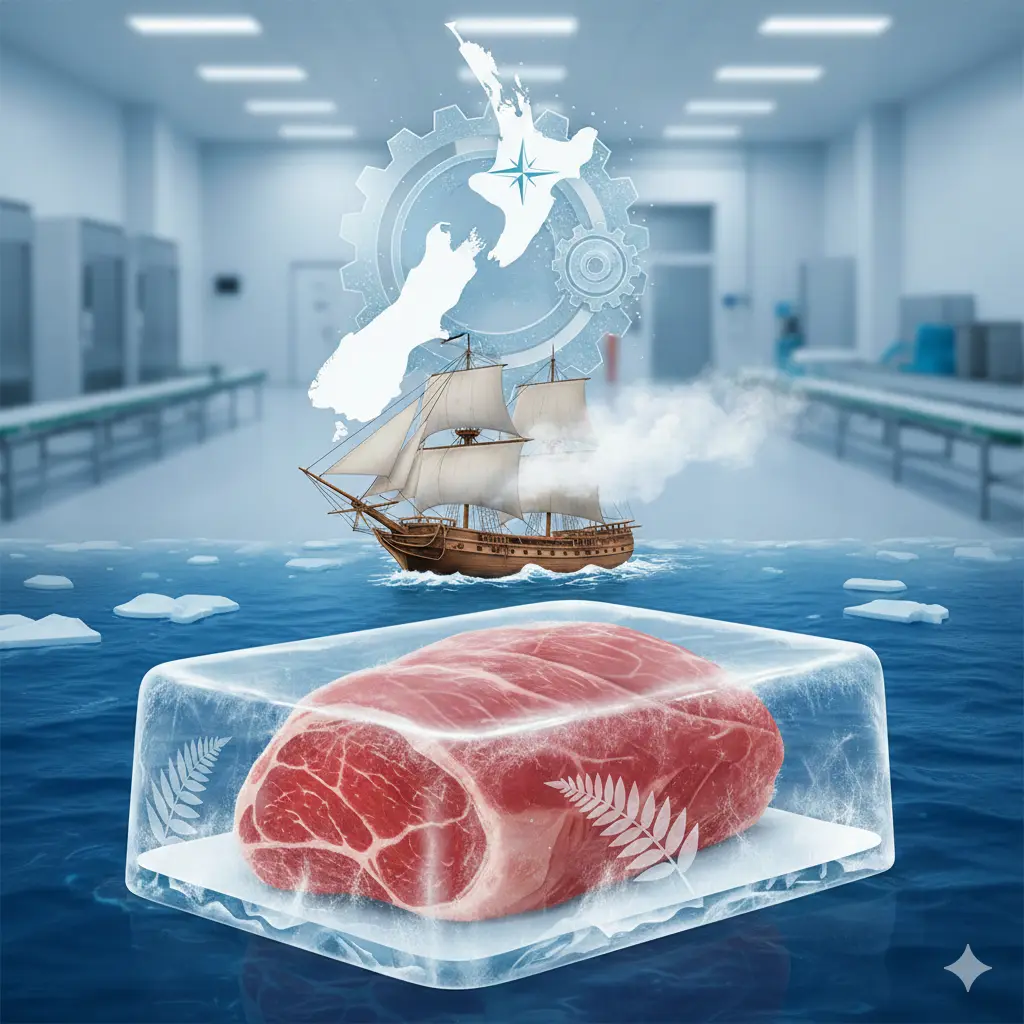
Introduction to New Zealand's Innovation New Zealand has always been a nation of innovators, and one of the most significant contributions to the world of
Daniel covers technology, cybersecurity, and small business topics for Lifetimes NZ. He breaks down tech news and digital trends for a general audience.
Introduction to New Zealand's Innovation
New Zealand has always been a nation of innovators, and one of the most significant contributions to the world of science and technology is the pioneering of frozen meat export technology. This groundbreaking innovation has had a profound impact on the country's economy and has enabled New Zealand to become a major player in the global meat export market. In this article, we will delve into the history of this technology, its development, and the benefits it has brought to the country.
The story of frozen meat export technology in New Zealand dates back to the late 19th century, when the country was looking for ways to export its high-quality meat products to other parts of the world. At that time, the only way to preserve meat was through salting, smoking, or canning, which often resulted in a loss of flavour and texture. The development of frozen meat export technology changed all that, enabling New Zealand to export its meat products in a fresh and pristine condition.
Today, New Zealand is renowned for its expertise in frozen meat export technology, and the country's meat industry is a significant contributor to its economy. The technology has also had a positive impact on the environment, as it has reduced the need for refrigerated shipping and has enabled the country to export its meat products to a wider range of markets. In the following sections, we will explore the history and development of frozen meat export technology in New Zealand, its benefits, and the current state of the industry.
History of Frozen Meat Export Technology
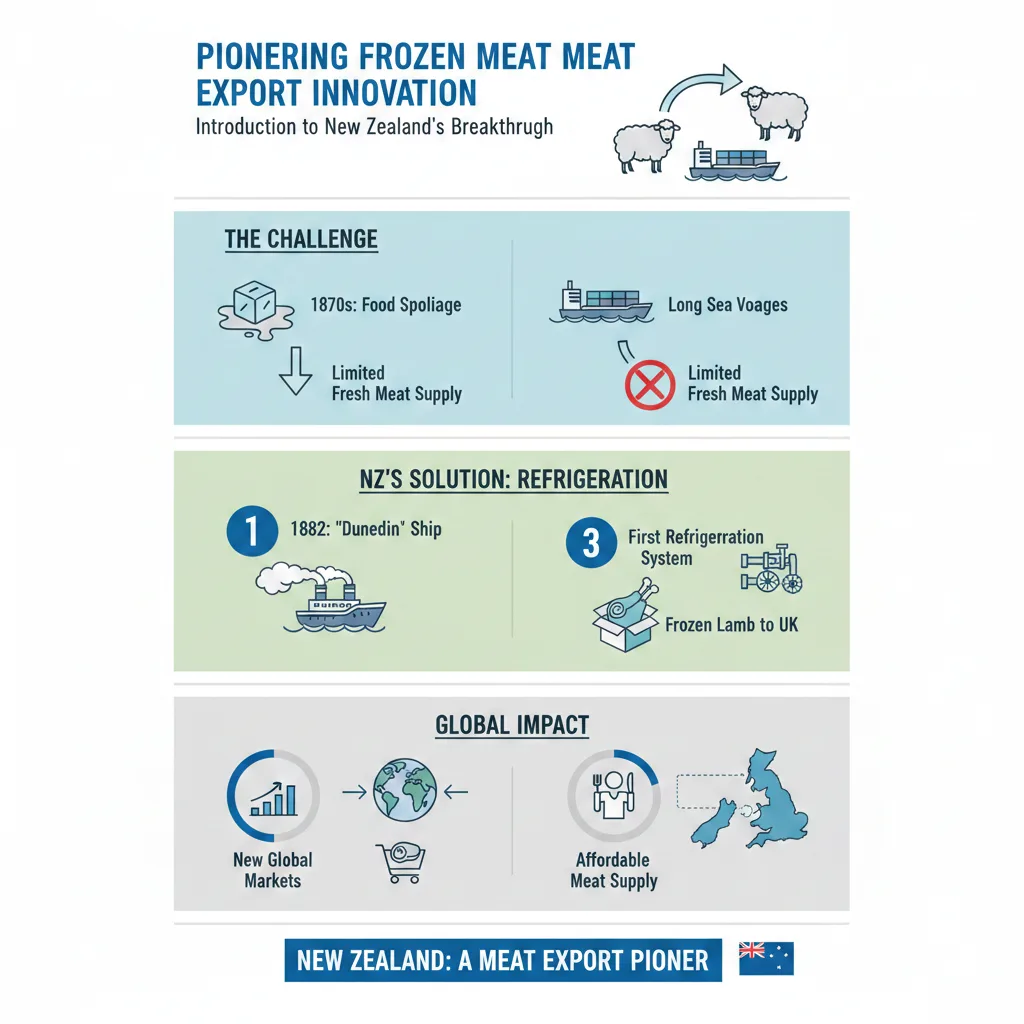
The history of frozen meat export technology in New Zealand is a fascinating story that involves the collaboration of scientists, farmers, and entrepreneurs. In the late 19th century, the New Zealand government recognised the potential of the country's meat industry and established a number of research stations to investigate new methods of preserving meat. One of these research stations, the DSIR (Department of Scientific and Industrial Research), played a key role in the development of frozen meat export technology.
The first successful experiment in freezing meat was conducted by a team of scientists at the DSIR in the 1880s. The team, led by a scientist named William Soltau, developed a method of freezing meat using a combination of ice and salt. This method, known as the "ice-salt" method, was the precursor to modern frozen meat export technology. Over the next several decades, the technology continued to evolve, with the introduction of new freezing methods, such as the use of liquid nitrogen and the development of more efficient refrigeration systems.
Key Milestones in the Development of Frozen Meat Export Technology
Some of the key milestones in the development of frozen meat export technology in New Zealand include:
- 1882: The first successful experiment in freezing meat is conducted by a team of scientists at the DSIR.
- 1890s: The "ice-salt" method of freezing meat is developed and becomes widely used in the New Zealand meat industry.
- 1900s: The introduction of liquid nitrogen as a freezing agent revolutionises the meat industry and enables the mass production of frozen meat products.
- 1950s: The development of more efficient refrigeration systems enables the widespread adoption of frozen meat export technology.
Benefits of Frozen Meat Export Technology
The benefits of frozen meat export technology are numerous and have had a significant impact on the New Zealand economy. Some of the key benefits include:
- Increased exports: Frozen meat export technology has enabled New Zealand to increase its meat exports significantly, with the country now exporting millions of tonnes of meat products every year.
- Improved product quality: The use of frozen meat export technology has enabled New Zealand to export its meat products in a fresh and pristine condition, which has improved the country's reputation for producing high-quality meat products.
- Reduced costs: The use of frozen meat export technology has reduced the costs associated with exporting meat products, as it has eliminated the need for refrigerated shipping and has enabled the country to export its meat products to a wider range of markets.
- Environmental benefits: The use of frozen meat export technology has also had a positive impact on the environment, as it has reduced the need for refrigerated shipping and has enabled the country to export its meat products in a more sustainable way.
Current State of the Industry
Today, the New Zealand meat industry is a significant contributor to the country's economy, with the industry generating billions of dollars in export revenue every year. The industry is also a major employer, with thousands of people employed in the meat processing and export sectors. The use of frozen meat export technology has enabled the industry to expand its export markets and to increase its competitiveness in the global market.
The New Zealand government has also played a key role in supporting the development of the meat industry, with the establishment of a number of initiatives aimed at promoting the industry and improving its competitiveness. These initiatives include the development of new technologies and the provision of funding for research and development projects.
Examples of New Zealand Companies Using Frozen Meat Export Technology
Some examples of New Zealand companies that are using frozen meat export technology include:
- Alliance Group: A leading meat processing and export company that uses frozen meat export technology to export its products to markets around the world.
- Silver Fern Farms: A major meat processing and export company that uses frozen meat export technology to export its products to markets in Asia, Europe, and the Americas.
- ANZCO Foods: A meat processing and export company that uses frozen meat export technology to export its products to markets around the world.
Future Developments and Opportunities
The future of frozen meat export technology in New Zealand looks bright, with a number of new developments and opportunities on the horizon. Some of the key areas of focus include:
- Sustainable farming practices: The New Zealand meat industry is committed to sustainable farming practices, and the use of frozen meat export technology is an important part of this commitment.
- New markets and products: The industry is also looking to expand its export markets and to develop new products, such as frozen meat snacks and frozen meals.
- Technological advancements: The industry is also investing in new technologies, such as blockchain and artificial intelligence, to improve the efficiency and competitiveness of its operations.
Conclusion and Key Takeaways
In conclusion, the development of frozen meat export technology in New Zealand has been a significant innovation that has had a profound impact on the country's economy and meat industry. The technology has enabled the country to export its high-quality meat products to markets around the world, and has improved the competitiveness and sustainability of the industry.
Some of the key takeaways from this article include:
- Frozen meat export technology has been a game-changer for the New Zealand meat industry, enabling the country to export its products to markets around the world.
- The technology has improved the quality and competitiveness of New Zealand's meat products, and has enabled the country to establish itself as a major player in the global meat market.
- The industry is committed to sustainable farming practices and is investing in new technologies to improve the efficiency and competitiveness of its operations.
- There are opportunities for New Zealand companies to expand their export markets and to develop new products, using frozen meat export technology to reach new customers and to increase their revenue.
Related Articles
New Zealand Conducts Antarctic Research from Scott Base
Introduction to New Zealand's Antarctic Research New Zealand has a long history of conducting research in Antarctica, with a strong focus on understanding

The Tranquilizer Dart Was Invented by a Kiwi
Introduction to the Tranquilizer Dart The tranquilizer dart is a device that has revolutionised the way we handle and care for wild animals. It's a clever
Kiwi Engineers Created the Sealegs Amphibious Boat
Introduction to Kiwi Innovation New Zealand has a long history of producing innovative and talented engineers who have made significant contributions to va