Best Agriculture and Farming Jobs in New Zealand 2026 for Migrants
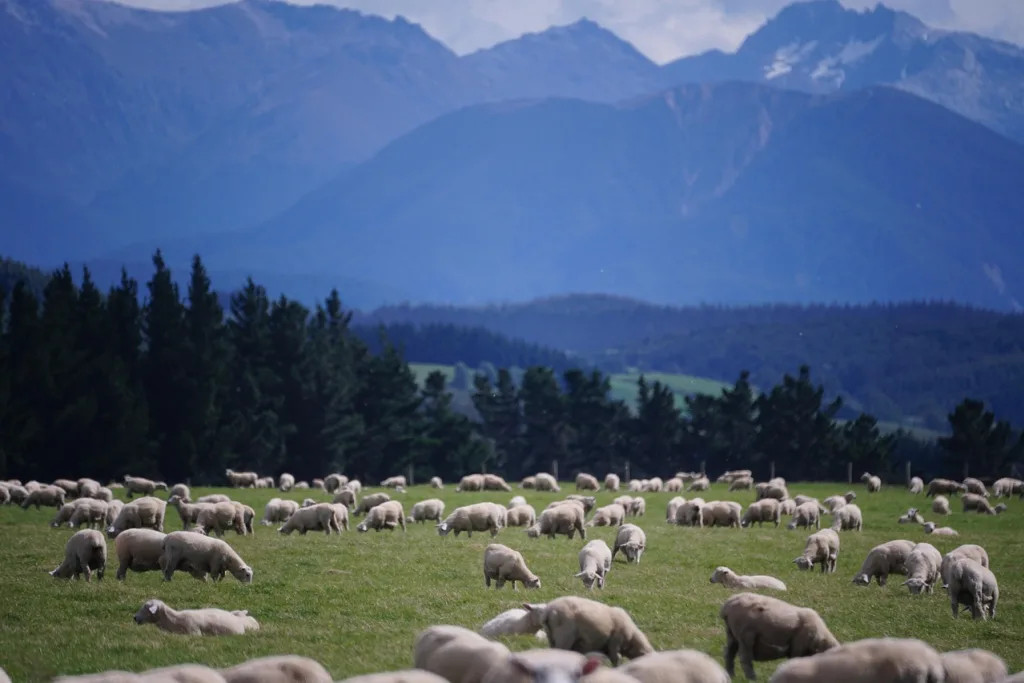
Imagine stepping off the plane into New Zealand's lush green landscapes, ready to kickstart a rewarding career in one of our country's backbone industries. Agriculture and farming aren't just jobs her...
The Lifetimes NZ editorial team curates, fact-checks, and updates guides on personal finance, property, health, immigration, legal, business, and lifestyle topics relevant to Lifetimes NZ readers. Articles are produced with AI assistance and reviewed by the editorial team before publication.
Imagine stepping off the plane into New Zealand's lush green landscapes, ready to kickstart a rewarding career in one of our country's backbone industries. Agriculture and farming aren't just jobs here—they're pathways to adventure, stability, and even residency for skilled migrants eyeing a fresh start in 2026. With ongoing demand for hands-on workers across dairy, horticulture, and forestry, this sector offers real opportunities for those willing to roll up their sleeves.
Whether you're a dairy enthusiast from the Philippines, a fruit picker from Africa, or a skilled arborist seeking long-term prospects, New Zealand's farms are calling. Our primary sector contributes massively to the economy, exporting billions in dairy, meat, and kiwifruit annually. For migrants, the key lies in matching your skills to the Green List and seasonal visas, navigating accredited employers, and building a pathway to residency. Let's dive into the best agriculture and farming jobs available in 2026.
Why Agriculture and Farming Jobs Appeal to Migrants in 2026
New Zealand's farming sector thrives on its clean, green reputation and innovative practices. We're talking world-class dairy operations in Waikato, apple orchards in Hawke's Bay, and vineyards in Marlborough. For migrants, these jobs mean competitive pay, visa sponsorship, and a lifestyle blending hard yakka with stunning scenery.
The sector faces labour shortages due to our ageing workforce and seasonal peaks, creating openings for overseas talent. Median salaries hover around 60,000 NZD annually, but top dairy managers and winemakers can earn up to 210,000 NZD. Plus, with KiwiSaver contributions and ACC coverage standard, you'll build financial security from day one.
Key Benefits for Migrants
- Visa Pathways: Straight to Residence for Tier 1 Green List roles or Work to Residence after two years for Tier 2.
- Family Support: Agencies like The Regions offer pastoral care, helping families settle with cultural translation and community integration.
- Regional Living: Live affordably in places like Kerikeri or Gisborne, far from Auckland's hustle.
- Career Growth: Start seasonal, move to permanent—many progress to farm management.
Top Agriculture and Farming Jobs on the Green List for 2026
The Green List is your migrant roadmap, spotlighting high-demand roles with streamlined visas. Tier 1 gets you residency fast; Tier 2 builds experience first. Agriculture features prominently, especially dairy, forestry, and viticulture.
Dairy Farm Roles: The Heart of NZ Farming
Dairy remains king, with over 700 leading farms seeking workers. Roles like Dairy Farm Cattle Worker (Calf Rearer or Relief Milker) qualify for Peak Seasonal Visas (PSV).
- Calf Rearer (ANZSCO 841512): Feed calves, administer treatments, handle transport. Needs relevant experience; pays 50,000–70,000 NZD.
- Relief Milker: Cover for farmers on leave, routine milking tasks. Ideal entry for migrants with farm background.
- Dairy Farmer: Requires NZQF Level 4+ and 2–3 years' experience. Salaries up to 100,000 NZD.
Waikato and Southland farms often sponsor via Accredited Employer Work Visas (AEWV).
Horticulture and Fruit Picking: Seasonal Goldmines
From Bay of Plenty kiwifruit to Nelson apples, seasonal work booms March–May 2026. Mandarin Harvesters in Kerikeri offer visa sponsorship for 2-week bursts, 8-hour shifts.
- Fruit Picker/Harvester: No formal quals needed, but stamina is key. Leads to Recognised Seasonal Employer (RSE) schemes.
- Packhouse Worker: Nelson roles sorting produce; seasonal, visa-eligible.
- Market Gardener: Green List shortage; grow veggies for local markets.
Tip: Target accredited employers like T&G Global—apply via Indeed or official sites.
Forestry and Processing: Skilled and Steady
Forestry Workers (ANZSCO 841311) top the PSV list, planting and harvesting pines in Gisborne or Rotorua. Processing roles offer year-round stability.
- Forestry Worker: Chainsaw skills a plus; 55,000–75,000 NZD.
- Meat Boner/Slicer (831211) or Process Worker (831311): High-volume plants in Feilding; PSV eligible.
- Seafood Process Worker (831313): Mussel farms in Marlborough.
Specialist Roles: Vets, Winemakers, and More
Green List gems include:
- Winemaker: Level 7 degree + 5 years; up to 210,000 NZD in Marlborough.
- Veterinarian or Arborist: Tier 1 for straight residency.
- Bee Keeper: Niche demand in Manuka honey hubs.
Visa Options for Agriculture Migrants in 2026
Secure a job offer first—no shortcuts. Immigration New Zealand mandates accredited employers for AEWV or PSV.
Peak Seasonal Visa (PSV)
For short-term peaks: Aquaculture (Mussel/Oyster), Dairy Workers, Forestry, Meat/Seafood Processing, Winery Cellar Hands, Wool Handlers. Requirements: Skills match, accredited employer.
Accredited Employer Work Visa (AEWV) and Green List
Tier 1: Immediate residency (e.g., certain vets). Tier 2: Work 2 years then reside (e.g., dairy farmers). Agencies handle accreditation, job checks.
Actionable Tip: Check immigration.govt.nz for updates; apply via real employers, dodge scam agents promising guarantees.
How to Land Your Dream Farming Job
- Assess Skills: Match to Green List/PSV. Gain NZQF if needed via StudyLink.
- Find Jobs: Use theregions.co.nz, nz.indeed.com, or seasonalworkvisa jobs.
- Prepare Docs: CV highlighting experience, police check, health certs.
- Visa Apply: Employer sponsors; track via Immigration NZ portal.
- Settle In: Leverage pastoral care for housing, banking (open with Kiwibank), IRD number.
Recruiters like The Regions have placed 3,000+ visa holders, boosting rural communities.
Challenges and Practical Tips for Success
Expect variable weather, physical demands, and isolation. Combat with:
- Health Prep: ACC covers work injuries; get travel insurance.
- Budgeting: Rural rents low (300–500/week); save via KiwiSaver.
- Cultural Fit: Embrace Kiwi values—punctuality, teamwork. Learn te reo basics.
- Upskill: Primary ITO courses for Level 4 certs.
Next Steps to Your NZ Farming Adventure
Start today: Update your CV, scout jobs on Indeed and The Regions, and verify employers on immigration.govt.nz. Connect with Primary ITO for training, register for IRD, and pack your thermals—2026's harvest awaits. With determination, you'll not only find work but build a life in Aotearoa. Kia kaha!
Frequently Asked Questions
Sources & References
-
1
The Regions | Farm Jobs in New Zealand — www.theregions.co.nz
-
2
The 2026 list of most in demand jobs in New Zealand for skilled migrants — www.pssremovals.com
-
3
New Zealand Fruit Picking Jobs | Owafk Africa - YouTube — www.youtube.com
-
4
25+ Seasonal Work Visa Jobs, Employment 18 March 2026 - Indeed — nz.indeed.com
-
5
Peak Seasonal Visa jobs - Immigration New Zealand — www.immigration.govt.nz