Ceiling Fans: Summer Cooling and Winter Heat Distribution
When summer temperatures soar across New Zealand, most of us crank up the air conditioning or open every window we can find. But there's a simpler, more cost-effective solution that many Kiwis overloo...
Daniel covers technology, cybersecurity, and small business topics for Lifetimes NZ. He breaks down tech news and digital trends for a general audience.
When summer temperatures soar across New Zealand, most of us crank up the air conditioning or open every window we can find. But there's a simpler, more cost-effective solution that many Kiwis overlook: ceiling fans. These elegant fixtures aren't just for summer comfort—they're year-round climate controllers that can help reduce your power bills while keeping your home at the perfect temperature, whether it's a scorching Auckland day or a chilly Wellington winter night.
How Ceiling Fans Work: The Science Behind the Breeze
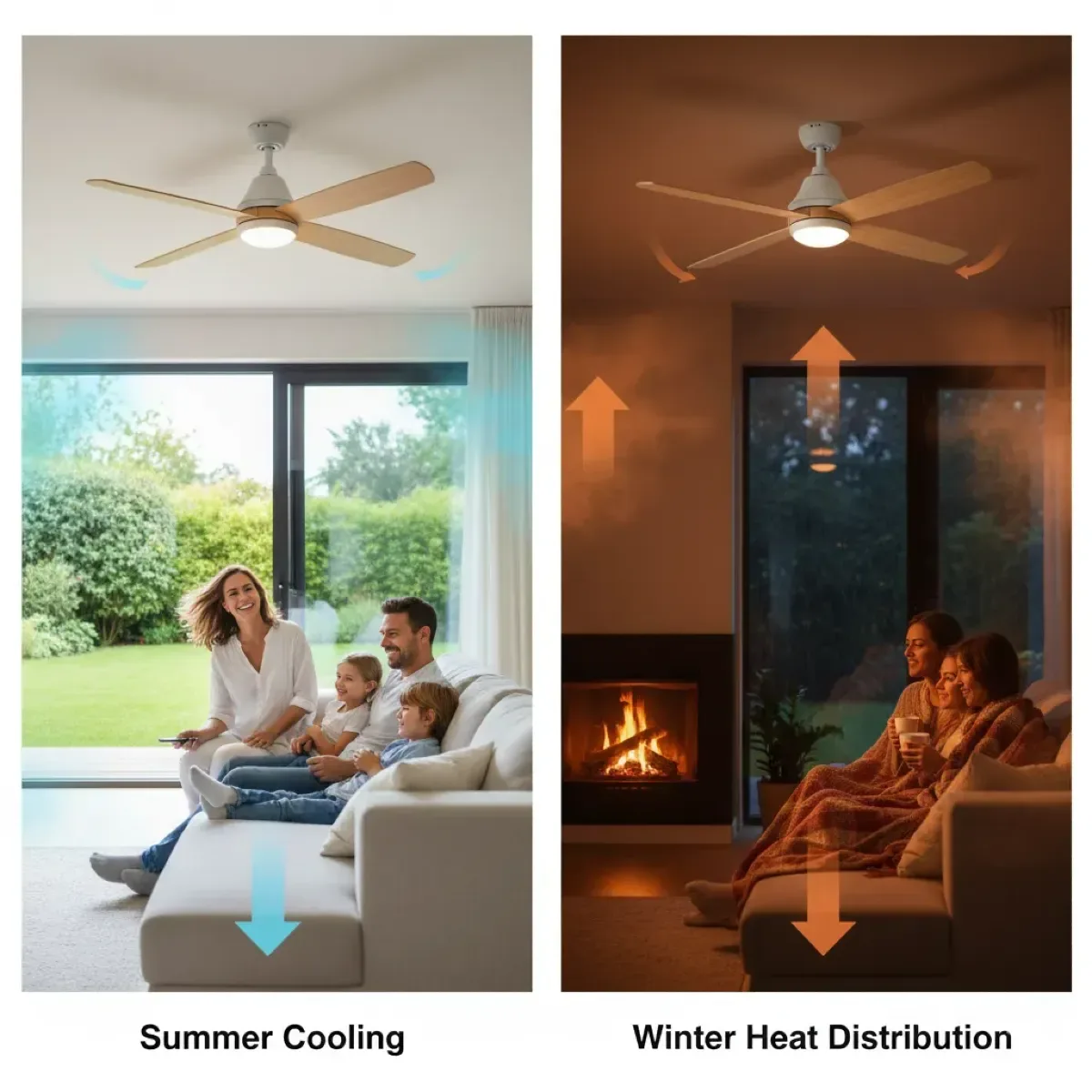
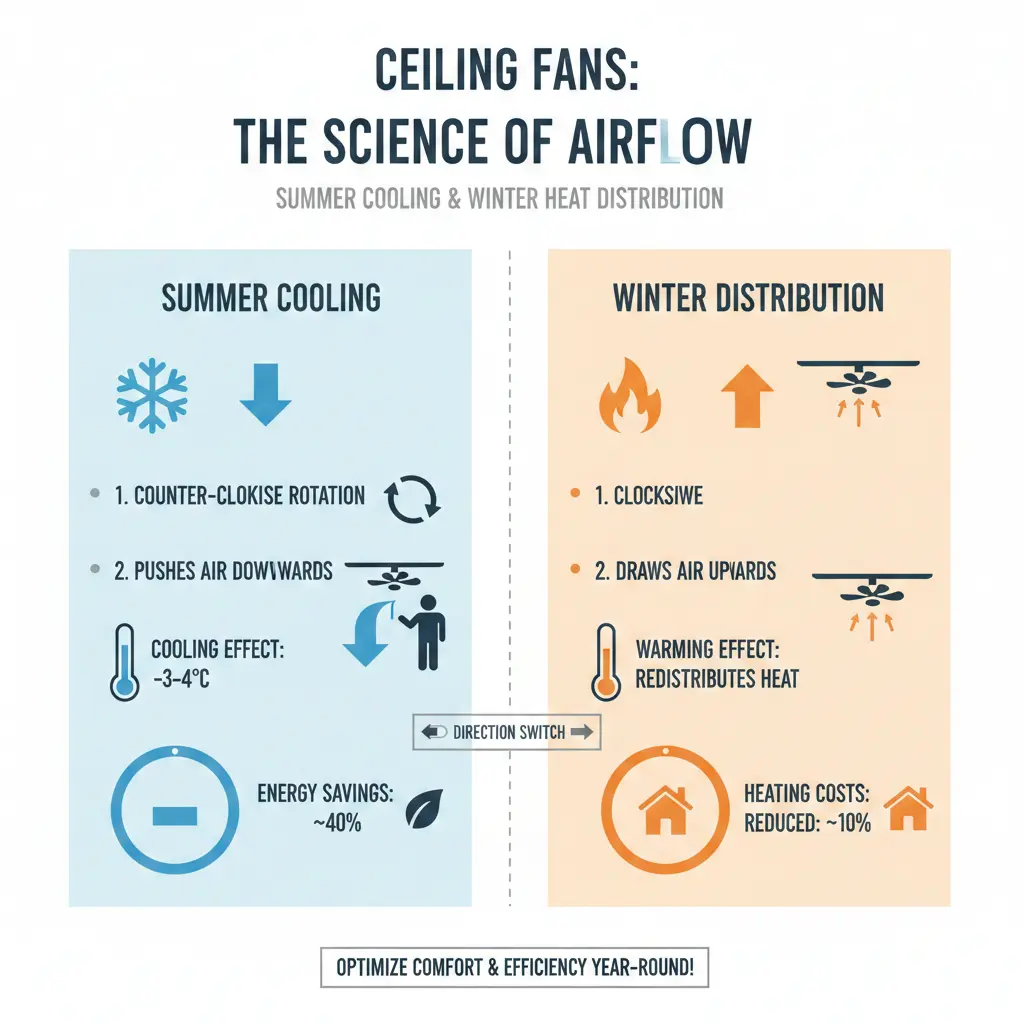
Ceiling fans don't actually lower the temperature of the air in your room—they improve air circulation and create a cooling effect on your skin. In summer, fans rotate counterclockwise to pull hot air upward and push a breeze down into the room. This circulation makes you feel cooler even if the actual room temperature hasn't changed.
The beauty of this approach is efficiency. A ceiling fan uses very little energy compared to an air conditioning unit, especially energy-efficient models that are also whisper quiet. Modern DC ceiling fans are particularly impressive, using just 3-5 watts on low speed or 30-45 watts on high—a fraction of what traditional cooling systems consume.
Summer Cooling: Your First Line of Defence
For most parts of New Zealand, passive cooling and ventilation should be your first strategy during summer months. Well-designed homes will make the most of passive cooling features like opening windows and planting deciduous trees for shade. However, when passive methods aren't enough, ceiling fans offer an excellent middle ground between doing nothing and installing expensive air conditioning.
Ceiling fans work best in larger open spaces with high ceilings that require moderate levels of cooling. They're ideal for living rooms, open-plan kitchens, and bedrooms. For optimal performance, your ceiling should be between 2.1 and 2.4 metres high.
Choosing the Right Size
Ceiling fan sizing matters. New Zealand retailers like IXL Appliances offer options ranging from 48-inch fans for compact areas to 52-inch models for larger spaces. Consider your room's dimensions when selecting your fan—a fan that's too small won't circulate air effectively, while an oversized fan can be noisy and wasteful.
Winter Heating: A Year-Round Solution
Here's where ceiling fans really shine: they're not just for summer. In winter, fans can re-circulate warm air that collects near the ceiling back down to ground level, improving your home's ambient temperature. Heat naturally rises, so without air circulation, you're wasting warmth that's sitting above your head.
Most modern ceiling fan models come with separate settings for cooling in summer and warming in winter, giving you year-round comfort. Simply switch your fan to "winter mode" using the remote control, and it'll rotate clockwise to gently push warm air downward. This can help reduce your reliance on heating systems and lower your winter power bills.
Energy Efficiency: Keeping Power Bills Down
One of the biggest advantages of ceiling fans is their minimal energy consumption. Ceiling fans enable year-round climate control with minimal energy consumption, making them one of the most cost-effective cooling and heating solutions available.
To maximize efficiency, remember that fans don't cool the air but the person, so switch them off in unoccupied rooms. There's no point running a fan in an empty bedroom or lounge—you're just wasting electricity.
Selecting Your Ceiling Fan: What to Look For
When shopping for a ceiling fan in New Zealand, consider these key features:
- Motor type: Choose between AC (alternating current) and DC (direct current) motors. DC motors are typically more energy-efficient and quieter.
- Blade material: Ceiling fans are mostly manufactured in wood, plastic, or metal. Plastic and wooden blades are usually the quieter option.
- Blade pitch: A higher blade pitch (up to 18 degrees) allows fans to circulate larger volumes of air with ease.
- Lighting options: Many fans come with integrated light kits, adding functionality and style to your room.
- Remote control: Look for fans with remote controls that allow you to switch between summer and winter modes easily.
- Warranty: Quality brands like Aeroflow offer comprehensive warranties, including three years of in-home service and two years for replacement.
Installation and Maintenance
Professional installation is recommended for ceiling fans. When you get a fan installed, the provider will assess where the components should be placed to work best and be out of the way. Most installers will position the fan to ensure good room coverage and optimal air circulation.
Regular maintenance is minimal—occasional dusting of the blades keeps your fan running smoothly and quietly. Most modern fans require little more than basic care to maintain peak performance.
Ceiling Fans vs. Other Cooling Options
How do ceiling fans stack up against other cooling methods available to Kiwis?
- Heat pumps: While heat pumps provide excellent cooling and heating, using a heat pump is not as cost-efficient as using exterior shading, opening windows, or running a fan.
- Portable air conditioning units: These work but can be messy to use because they need to be vented to the outside. They're also less permanent than ceiling fans.
- Passive cooling: Opening windows and using natural ventilation is free but isn't always practical on hot days.
For most New Zealand homes, the ideal approach combines passive cooling, ceiling fans, and heat pumps—using each method strategically depending on the season and your comfort needs.
Where to Buy Ceiling Fans in New Zealand
Several retailers across New Zealand stock quality ceiling fans, including IXL Appliances, Lighting Direct, and Lightingplus. Many offer free delivery on orders over $200 and stock both traditional AC fans and modern DC models. Prices range from around $180 for basic models to $330+ for premium options with LED lighting.
Keep Your Home Comfortable Year-Round
Ceiling fans are an elegant, cost-effective solution for maintaining comfortable temperatures in your New Zealand home throughout the year. Whether you're battling summer heat or trying to make the most of winter warmth, a quality ceiling fan offers year-round benefits with minimal energy consumption and maintenance.
Start by assessing your room size and ceiling height, then explore the range of styles and specifications available from New Zealand retailers. With proper installation and maintenance, your ceiling fan will provide reliable comfort and help keep your power bills down for years to come.
Frequently Asked Questions
Sources & References
-
1
Aeroflow AC Ceiling Fans New Zealand - IXL Appliances — www.ixlappliances.co.nz
-
2
Cooling and air conditioning - Building Performance — www.building.govt.nz
-
3
How to choose the right summer cooling option - Powershop — www.powershop.co.nz
-
4
NZ Biggest Range of Ceiling Fans - Modern & Classic Styles — lightingdirect.co.nz
-
5
Give it a whirl - Lightingplus — www.lightingplus.co.nz
-
6
Five ways to cool your home in summer | REDnews - Westpac — www.westpac.co.nz
-
7
Stay Cool This Summer – Ceiling Fan Installation with AB Electrical — abelectrical.co.nz
Related Articles

iPad Pro: Premium Tablet for Creative Professionals
If you're a creative professional in New Zealand looking for a tablet that can handle demanding work, the iPad Pro with the M5 chip might be exactly what you need. Whether you're editing videos, desig...

Handheld Vacuum Cleaners: Quick Cleanup Solutions
Handheld vacuum cleaners have become essential tools for Kiwi households, offering quick cleanup solutions without the hassle of dragging out a full-size vacuum. Whether you're dealing with crumbs on...

French Door Refrigerators in NZ: Luxury Cooling with Style
If you're looking to upgrade your kitchen with a stylish and spacious refrigerator, a French door fridge might be exactly what you need. These elegant appliances have become increasingly popular in Ne...

Chest Freezers in New Zealand: Bulk Storage for Rural Properties
If you're living on a rural property in New Zealand, a chest freezer isn't just a convenience—it's a practical investment for storing homekill, bulk meat purchases, garden produce, and fish. Whether y...