Heat Pumps: Year-Round Climate Control in New Zealand

Heat pumps have become essential for Kiwis seeking reliable, energy-efficient climate control throughout the year. Whether you're heating your home during winter or cooling it in summer, heat pumps of...
Daniel covers technology, cybersecurity, and small business topics for Lifetimes NZ. He breaks down tech news and digital trends for a general audience.
Heat pumps have become essential for Kiwis seeking reliable, energy-efficient climate control throughout the year. Whether you're heating your home during winter or cooling it in summer, heat pumps offer a smart solution that keeps your home comfortable whilst reducing energy bills and your carbon footprint. If you're considering installing one or want to understand how they work, here's everything you need to know about heat pumps in New Zealand.
What Are Heat Pumps and How Do They Work?
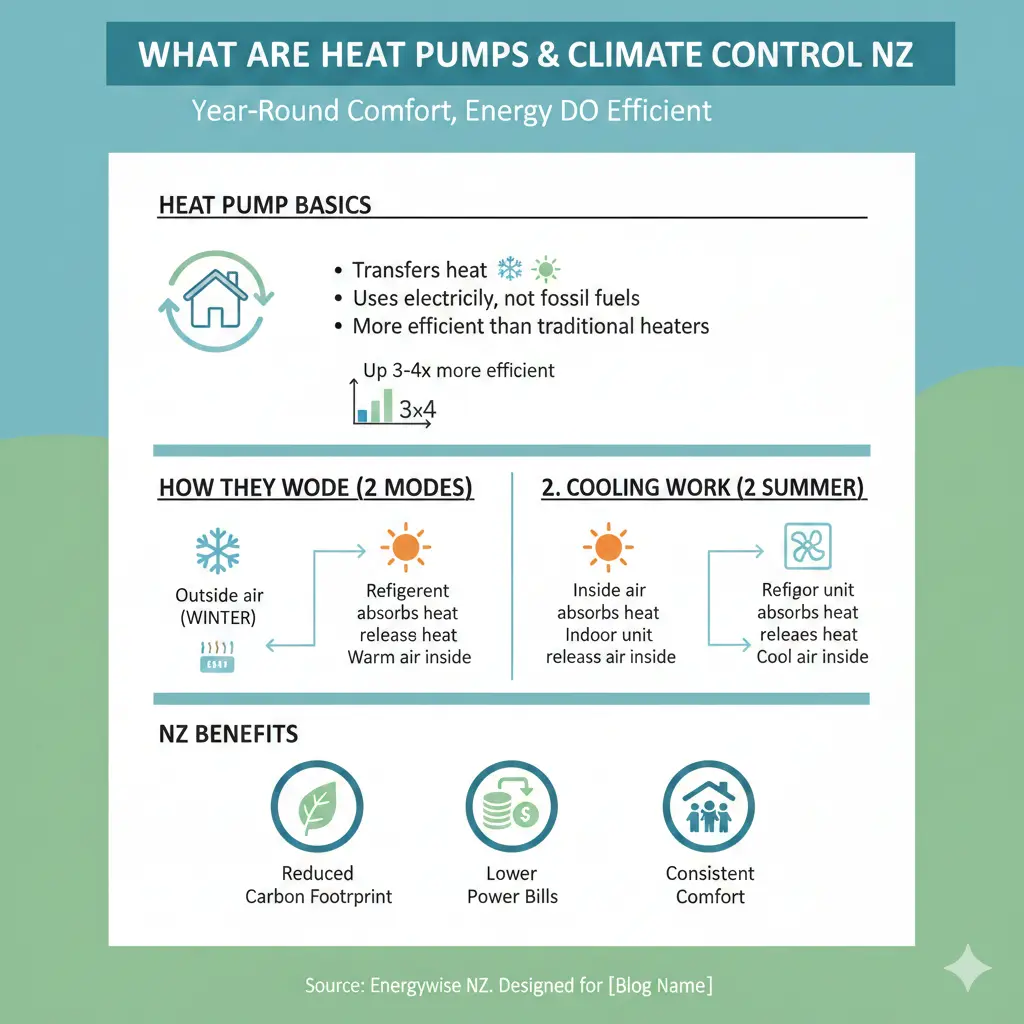
Heat pumps are clever devices that transfer heat from one place to another rather than generating heat directly. For every 1kW of electricity used, they can produce around 3–4kW of heat energy, making them far more efficient than traditional electric heaters. This exceptional efficiency means you'll use less electricity to maintain a comfortable temperature, translating to lower power bills and reduced environmental impact.
Heat pumps work year-round: in winter, they extract heat from outside air (even when it's cold) and pump it indoors, whilst in summer, they reverse the process to cool your home. This versatility makes them an ideal all-in-one climate control solution for New Zealand's varied climate.
Why Heat Pumps Matter in New Zealand
Legal Requirements for Rental Properties
If you're a landlord, heat pumps aren't just a nice-to-have—they're a legal requirement. From 1 July 2025, all rental properties across New Zealand must comply with the Healthy Homes Standards, which mandate an efficient, fixed heating source capable of reliably heating the main living area. For most properties, this means a fixed heat pump is the preferred solution.
The Healthy Homes Standards specify that the living room must have a heater with a heating capacity of at least 1.5 kW, capable of maintaining 18°C on the coldest days in your region. Oil heaters, portable electric heaters, and unflued gas heaters don't meet these requirements due to safety and efficiency concerns.
Energy Efficiency Standards
New Zealand's energy efficiency regulations are evolving to align with Australia's standards. From 1 May 2026, new regulatory requirements will apply to air conditioners and heat pumps manufactured in New Zealand or imported. These changes include updated Minimum Energy Performance Standards (MEPS) and Mandatory Energy Performance Labelling (MEPL) requirements, giving you better access to information about product efficiency when making purchasing decisions.
Benefits of Installing a Heat Pump
Lower Energy Costs
The superior efficiency of heat pumps means significant savings on your power bills. By converting electricity into heat far more efficiently than traditional heaters, you'll use less energy to achieve the same comfort level. Over time, these savings can offset the initial installation cost.
Year-Round Comfort
Unlike single-purpose heating or cooling systems, heat pumps provide both heating and cooling in one unit. This means you can maintain your ideal temperature throughout the year, whether you're dealing with New Zealand's cold winters or warm summers.
Environmental Benefits
Heat pumps significantly reduce your household's carbon footprint. By using less energy than traditional heating methods, you're contributing to New Zealand's broader energy security goals and helping reduce pressure on the grid.
Improved Home Health
Heat pumps support the Healthy Homes Standards by providing reliable, consistent heating that prevents moisture and mould issues. Unlike unflued gas heaters, they don't produce carbon monoxide or excess moisture, creating a healthier living environment for you and your family.
Heat Pump Installation and Compliance
What You Need to Know Before Installing
Before installing a heat pump, assess your home's heating requirements. You can use the Heating Assessment Tool on Tenancy Services NZ to estimate the required heating capacity, or book a professional assessment for expert guidance.
Key considerations include:
- Room size and insulation quality
- Your region's climate and coldest temperatures
- Whether you need heating, cooling, or both
- Available wall or floor space for installation
- Your budget for installation and ongoing maintenance
Maintenance Requirements
Under the Healthy Homes Standards, landlords are responsible for maintaining heating and ventilation systems in good working order. This isn't optional—it's a legal requirement. Routine servicing by a qualified technician should be scheduled annually, and you should maintain clear documentation of all maintenance work.
Tenants can help by keeping filters clean and the unit reasonably tidy, but professional maintenance remains the landlord's responsibility. Regular servicing ensures your heat pump operates efficiently, extends its lifespan, and keeps your home compliant with regulations.
Understanding New Zealand's Energy Efficiency Regulations
Cabinet has agreed to update minimum energy performance standards and mandatory energy performance labelling requirements on products like heat pumps. These changes come into effect on 1 May 2026 and align New Zealand's requirements with Australia's standards, supporting free-flowing trade across the Tasman and lowering costs for businesses and consumers.
If you're purchasing a heat pump before this date, ensure it meets current MEPS requirements. If you're buying after 1 May 2026, look for products that comply with the updated standards—they'll offer better efficiency and clearer labelling to help you make informed decisions.
Next Steps: Getting Your Home Heat Pump Ready
If you're considering a heat pump for your home, start by assessing your heating needs and budget. For rental property owners, ensure you're on track to meet the Healthy Homes Standards deadline. Get a professional assessment to determine the right capacity and type of heat pump for your space, then obtain quotes from qualified installers. Remember that ongoing maintenance is essential for compliance and efficiency, so factor that into your planning.
Heat pumps represent a smart investment in your home's comfort, your wallet, and the environment. By understanding how they work and what regulations apply in New Zealand, you'll be well-positioned to make the right choice for your household.
Frequently Asked Questions
Sources & References
-
1
Healthy Homes Standards Compliance - Heating, Ventilation & more — www.mintauckland.co.nz
-
2
Healthy Homes Standards Compliance - Heating, Ventilation & more — www.mintauckland.co.nz
-
3
Air conditioners & heat pumps - regulations under review — www.eeca.govt.nz
-
4
Boosting energy efficiency and solar uptake — www.mbie.govt.nz
-
5
Heat Pump Maintenance & Healthy Homes Compliance — www.hightechhvac.co.nz
Related Articles

iPad Pro: Premium Tablet for Creative Professionals
If you're a creative professional in New Zealand looking for a tablet that can handle demanding work, the iPad Pro with the M5 chip might be exactly what you need. Whether you're editing videos, desig...
Handheld Vacuum Cleaners: Quick Cleanup Solutions
Handheld vacuum cleaners have become essential tools for Kiwi households, offering quick cleanup solutions without the hassle of dragging out a full-size vacuum. Whether you're dealing with crumbs on...

French Door Refrigerators in NZ: Luxury Cooling with Style
If you're looking to upgrade your kitchen with a stylish and spacious refrigerator, a French door fridge might be exactly what you need. These elegant appliances have become increasingly popular in Ne...

Chest Freezers in New Zealand: Bulk Storage for Rural Properties
If you're living on a rural property in New Zealand, a chest freezer isn't just a convenience—it's a practical investment for storing homekill, bulk meat purchases, garden produce, and fish. Whether y...