Split System Air Conditioners: Cooling Solutions for NZ Summers
As summer temperatures climb across New Zealand, many Kiwis are looking for efficient ways to keep their homes cool and comfortable. Split system air conditioners have become increasingly popular in r...
Daniel covers technology, cybersecurity, and small business topics for Lifetimes NZ. He breaks down tech news and digital trends for a general audience.
As summer temperatures climb across New Zealand, many Kiwis are looking for efficient ways to keep their homes cool and comfortable. Split system air conditioners have become increasingly popular in recent years, offering a practical solution for cooling individual rooms or multiple spaces without the need for expensive, invasive ducting systems. Whether you're battling the heat in Auckland, Wellington, or Christchurch, understanding how split systems work and what options are available can help you make an informed decision for your home.
What Is a Split System Air Conditioner?
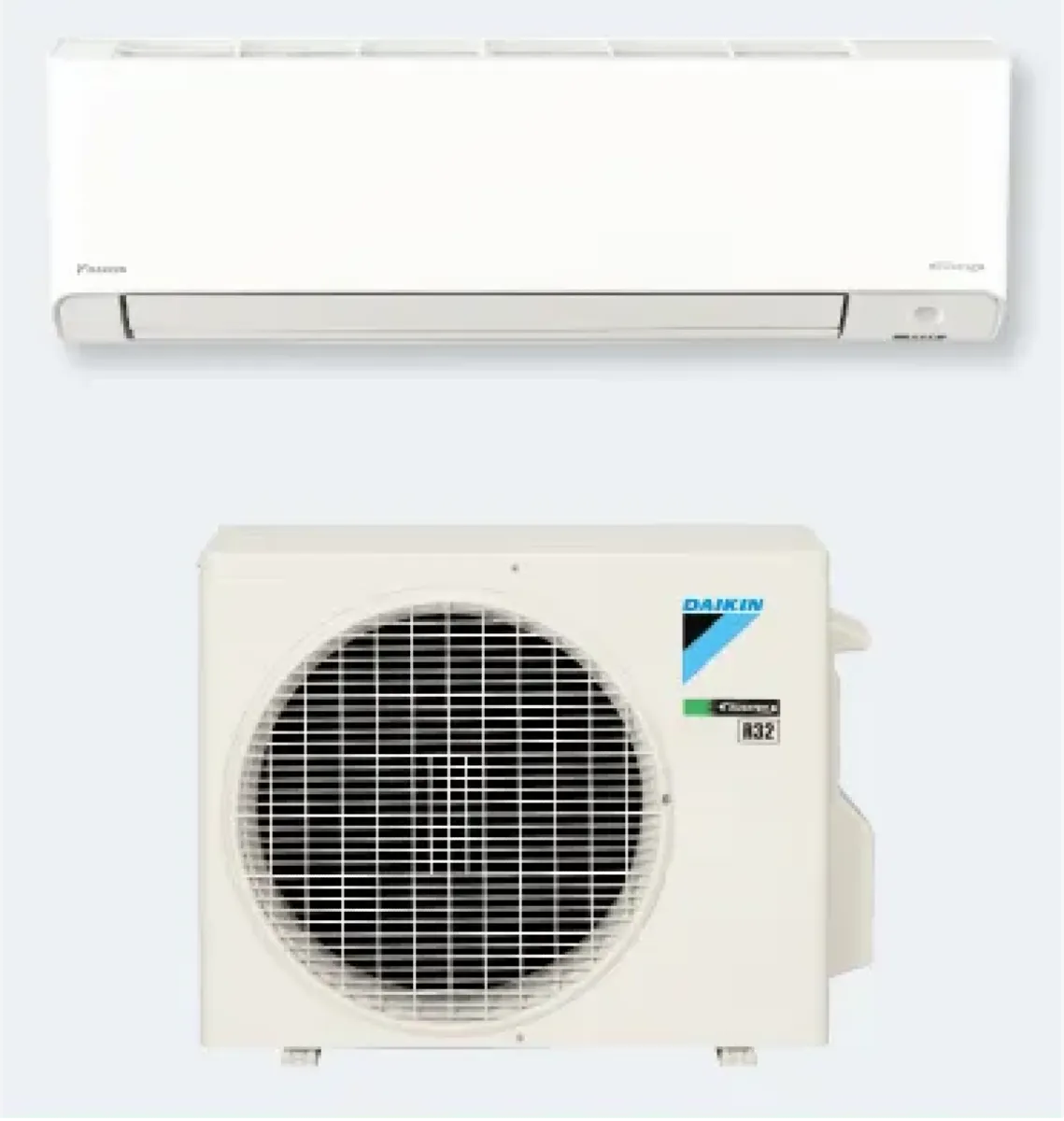
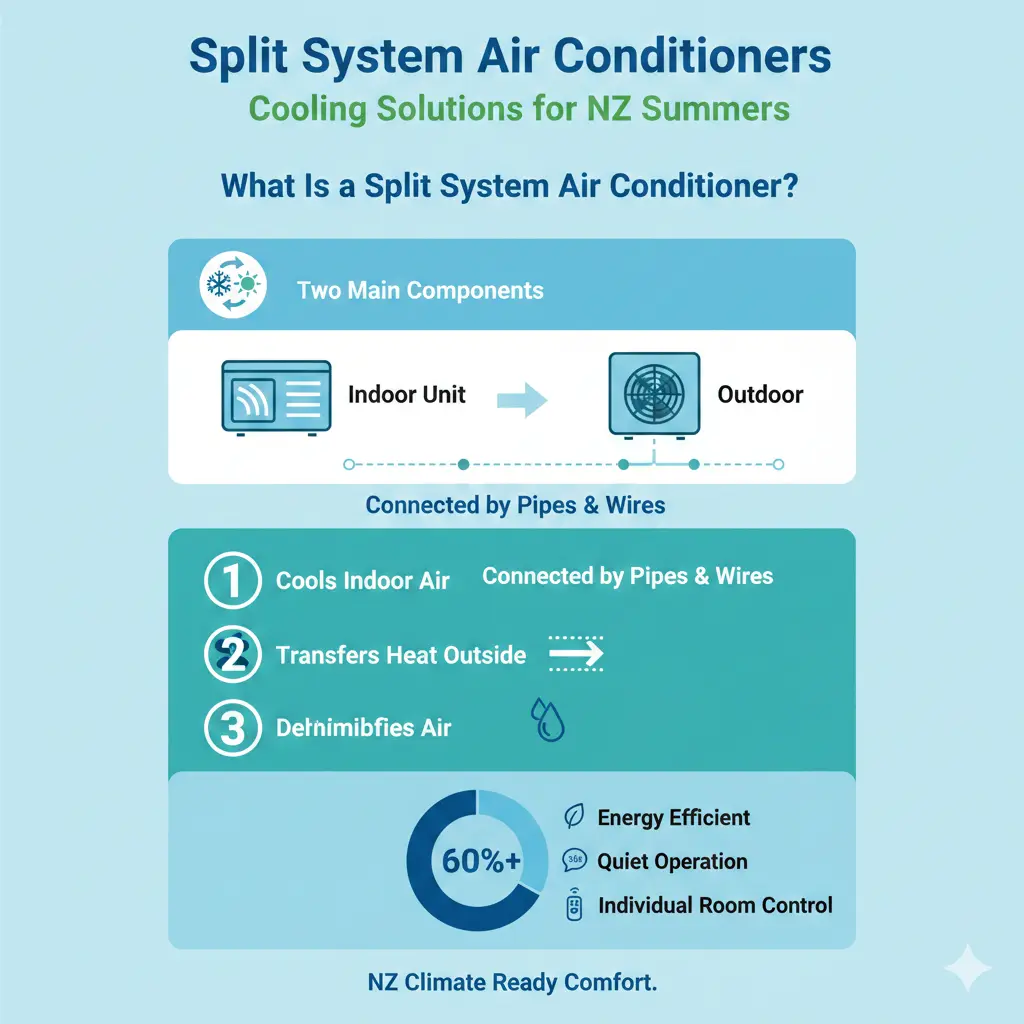
A split system air conditioner consists of two main components: an indoor unit and an outdoor unit connected by refrigerant lines. The indoor unit, typically mounted on a wall or installed as a floor console, distributes cool air throughout the room, while the outdoor unit houses the compressor and condenser that expels hot air outside. This design makes split systems ideal for air conditioning one room or a specific area of your home.
The beauty of split systems lies in their simplicity and efficiency. Unlike traditional air conditioning systems that require extensive ductwork, split systems can be installed relatively quickly and with minimal disruption to your home. They're also quieter than many alternatives and offer precise temperature control for maximum comfort.
Single vs. Multi-Split Systems
Single-Split Systems
A standard single-split system cools one room with one indoor unit connected to one outdoor unit. This is the most straightforward option and works well if you only need to cool a specific area of your home, such as a bedroom or lounge.
Multi-Split Systems
If you need to cool multiple rooms, a multi-split system offers a more efficient solution. These systems connect two or more indoor units to a single outdoor unit, making them ideal for larger homes or those with limited outdoor space. Multi-split systems can connect anywhere from two to six indoor units depending on the brand and model. This approach is tidier than installing multiple outdoor units, as it avoids the visual clutter and potential overheating issues that come with multiple compressors running in close proximity.
One of the key advantages of multi-split systems is individual room control. Each indoor unit can be independently temperature controlled using individual remotes, allowing you to set different temperatures for different rooms and save energy by only cooling the spaces you're using.
Energy Efficiency and Environmental Considerations
Modern split system air conditioners are designed with energy efficiency in mind. Many models use environmentally friendly R32 refrigerant, an excellent heat transfer medium that efficiently carries heat while reducing environmental impact. Additionally, inverter technology found in many units controls temperature precisely to provide consistent cooling comfort whilst saving energy.
By using a multi-split system instead of multiple single units, you'll benefit from better heat dispersion and efficiency. A single outdoor unit provides better air circulation than multiple units clustered together, which can lead to overheating and reduced lifespan of the equipment. This makes multi-split systems not just more convenient, but also more environmentally responsible.
Installation and Setup
Split system installation is a detailed and technical process that should always be handled by qualified professionals. The good news is that modern split systems have been designed with easier installation in mind. Many come pre-charged with refrigerant gas, meaning no additional service is needed to add refrigerant, saving both installation time and money.
Extended long pipelines enable installation in larger homes or split-level properties where rooms are further away from the outdoor unit. When choosing where to place your outdoor unit, consider:
- Adequate space for airflow and heat dispersal
- Away from windows or areas where noise might disturb neighbours
- Protected from direct sunlight when possible
- Easy access for future maintenance
Popular Brands Available in New Zealand
Several trusted brands offer quality split system air conditioners in New Zealand, each with their own strengths:
- Panasonic: Known for quiet operation and energy efficiency with R32 refrigerant and inverter technology.
- Mitsubishi Heavy Industries: Voted by customers as The People's Choice of heat pumps for the third year in a row as of 2025, with models capable of connecting up to five indoor units to one outdoor unit.
- Fujitsu General: Offers flexible multi systems with up to six indoor units connecting to one compact outdoor unit, with options for wall mounted, floor console, and cassette units.
- Daikin: Features advanced technology like Streamer Technology that reduces contaminants such as pollen, bacteria, and mould, and is Sensitive Choice® approved.
- Haier: Provides multi-room solutions with flexible indoor unit options including high wall, console, ducted, and cassette models.
Indoor Unit Options
Different spaces in your home may require different types of indoor units. Here are the main options available:
- High Wall Mounted: The most common choice, offering discreet appearance and efficient air distribution
- Floor Console: Ideal when wall space is limited due to tall windows or other constraints
- Cassette Units: Ceiling-mounted and compact, perfect for spaces with limited wall or floor space
- Ducted Units: Slim and discreet, suitable when you want minimal visible indoor components
Cost Considerations
While split systems represent an investment, they offer long-term value through energy savings and durability. Prices vary depending on the brand, capacity, and number of indoor units. Many retailers and installers in New Zealand offer quotes and financing options to help make the purchase more manageable.
When comparing costs, remember that multi-split systems, whilst potentially more expensive upfront than single units, can be more cost-effective overall if you need to cool multiple rooms, as you'll avoid the expense of installing multiple outdoor units.
Warranty and Support
Quality matters when it comes to air conditioning. Many brands offer extended warranties when you purchase from accredited installers. For example, Fujitsu offers a full 6-year warranty through accredited installers. Look for brands that provide comprehensive after-sales support and have local service networks throughout New Zealand.
Making Your Decision
Choosing the right split system for your home depends on several factors: the size of the space you need to cool, your budget, the layout of your home, and whether you want to cool single or multiple rooms. Take time to compare options from reputable brands available in New Zealand, get quotes from accredited installers, and consider the long-term energy savings that modern, efficient systems can provide.
As New Zealand summers continue to get warmer, investing in a quality split system air conditioner is a smart way to ensure your home stays comfortable whilst maintaining energy efficiency. Start by contacting local installers for a free consultation and quote—they can assess your specific needs and recommend the best solution for your home.
Frequently Asked Questions
Sources & References
-
1
Multi-Split Air Conditioning System — Panasonic New Zealand — www.panasonic.com
-
2
SCM-ZS-W series — Mitsubishi Heavy Industries Heat Pumps — www.mhiheatpumps.co.nz
-
3
Multi-Split System Air Conditioners & Heat Pumps — Fujitsu General — www.fujitsugeneral.co.nz
-
4
Split System Air Conditioning — Daikin NZ — www.daikin.co.nz
-
5
Split Systems — 100% Appliances — www.100percent.co.nz
-
6
Multi Split Heat Pump — Haier Home NZ — www.haierhome.co.nz
Related Articles

iPad Pro: Premium Tablet for Creative Professionals
If you're a creative professional in New Zealand looking for a tablet that can handle demanding work, the iPad Pro with the M5 chip might be exactly what you need. Whether you're editing videos, desig...
Handheld Vacuum Cleaners: Quick Cleanup Solutions
Handheld vacuum cleaners have become essential tools for Kiwi households, offering quick cleanup solutions without the hassle of dragging out a full-size vacuum. Whether you're dealing with crumbs on...

French Door Refrigerators in NZ: Luxury Cooling with Style
If you're looking to upgrade your kitchen with a stylish and spacious refrigerator, a French door fridge might be exactly what you need. These elegant appliances have become increasingly popular in Ne...
Chest Freezers in New Zealand: Bulk Storage for Rural Properties
If you're living on a rural property in New Zealand, a chest freezer isn't just a convenience—it's a practical investment for storing homekill, bulk meat purchases, garden produce, and fish. Whether y...