Heat Pump Dryers: Why They're Worth the Investment in New Zealand
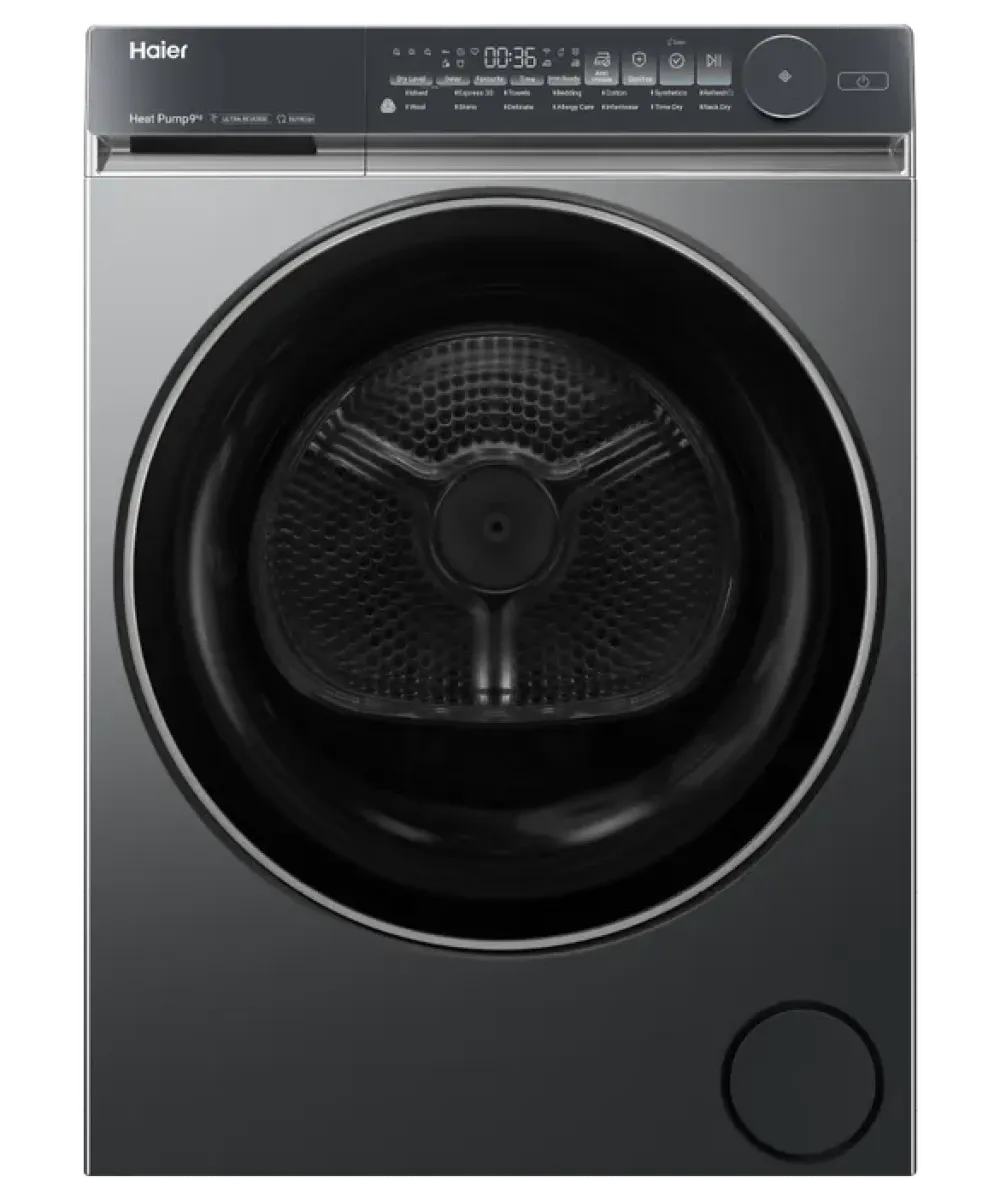
Imagine stepping out of the house on a drizzly Auckland morning, only to return to a load of perfectly dry, fresh-smelling clothes without spiking your power bill. In New Zealand's unpredictable weath...
Daniel covers technology, cybersecurity, and small business topics for Lifetimes NZ. He breaks down tech news and digital trends for a general audience.
Imagine stepping out of the house on a drizzly Auckland morning, only to return to a load of perfectly dry, fresh-smelling clothes without spiking your power bill. In New Zealand's unpredictable weather, where rain is a constant companion, heat pump dryers are transforming laundry routines for Kiwis. These innovative appliances offer energy savings, gentler fabric care, and hassle-free installation, making them a smart investment for any household.
How Heat Pump Dryers Work
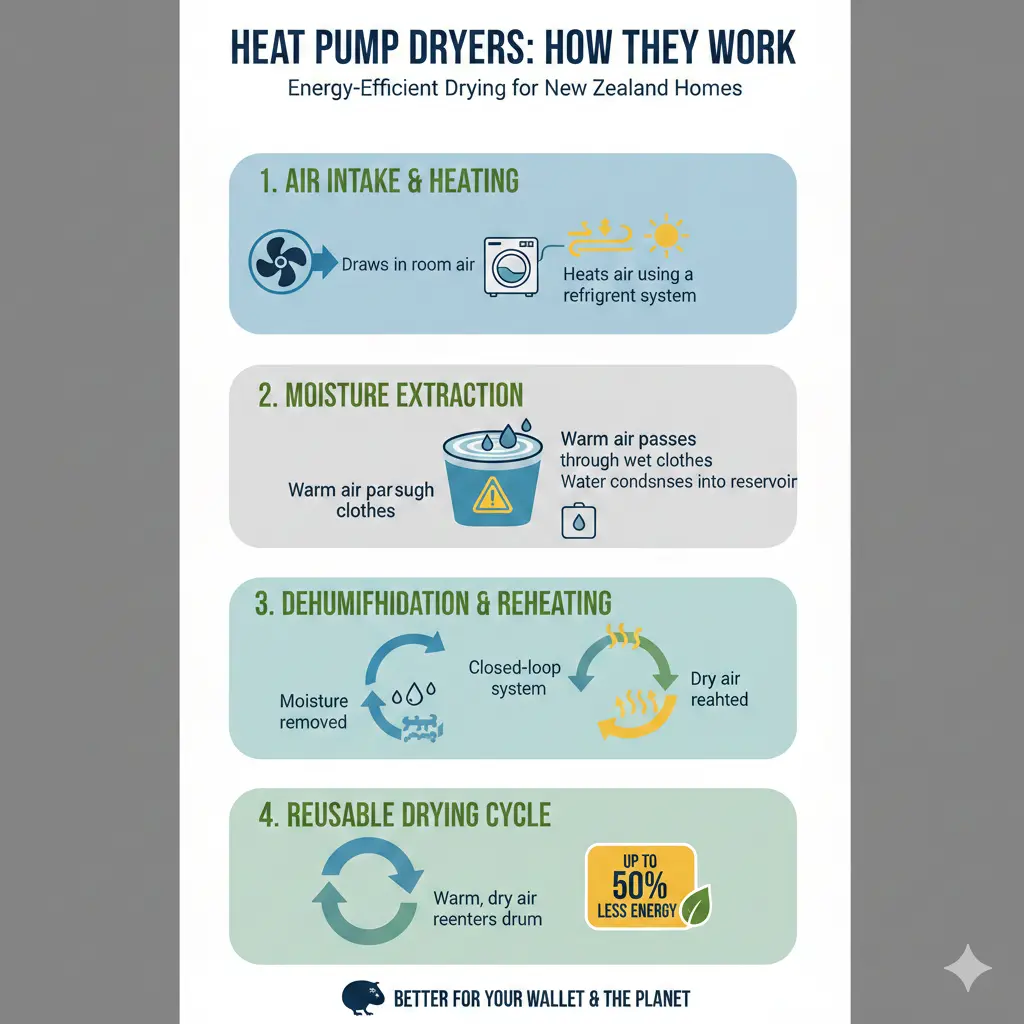
Unlike traditional vented or condenser dryers that waste heat, heat pump dryers use a closed-loop system to recycle warm air. They operate like a fridge in reverse: warm air circulates through the drum, absorbing moisture from your clothes, then passes through a heat exchanger where it's cooled to condense water out. The now-dry air is reheated and reused, drying at lower temperatures around 50°C compared to 80°C in conventional models.
This efficiency means they use up to 50% less electricity, with some models boasting 10-star energy ratings or 7 stars like Fisher & Paykel's Series 5. No external venting is required, so you can install them anywhere in your home—perfect for apartments or laundries without ducting.
Key Technology Features in 2026 Models
- Auto-sensing: Detects moisture levels and stops automatically to prevent over-drying, saving energy and extending clothing life.
- Steam Care: Refreshes clothes by removing odours and wrinkles without washing—ideal for quick fixes on work shirts or stored woollens.
- TangleProtect and Special Cycles: Up to 23 cycles for delicates, activewear, hygiene (kills bacteria), and bulky items like duvets.
- Reverse Tumbling: Reduces creasing and tangling for better results on Kiwi favourites like rugby jerseys or merino layers.
Why Heat Pump Dryers Are Worth the Investment in New Zealand
With rising power costs and our wet climate—Stats NZ reports over 150 rainy days a year in many regions—heat pump dryers deliver real value. Here's why they're gaining popularity among Kiwis.
1. Massive Energy Savings and Lower Bills
Heat pump dryers consume 30-60% less energy than vented models, potentially saving $125-$175 annually if you dry a load daily. A Fisher & Paykel model uses just 155kWh/year, with carbon emissions around 14.7kg CO2e—far below traditional dryers. Under New Zealand's Energy Efficiency (Energy Using Products) Regulations, enforced by EECA, these models must meet strict standards, ensuring ongoing improvements.
At 2026 electricity rates averaging 35c/kWh, that's $50+ saved per year on a mid-sized household, with payback on the higher upfront cost (often $1,500-$2,500) in 2-3 years.
2. Gentler on Your Clothes and Fabrics
Lower temperatures mean less shrinkage and wear—say goodbye to shrunken wool jumpers or faded activewear. Sensors ensure even drying, and features like drying racks handle delicates, shoes, or toys without tumble damage. This is crucial for Kiwis who invest in quality gear like merino from local brands.
3. Eco-Friendly and Compliant with NZ Regulations
Reducing energy use cuts your household's carbon footprint, aligning with New Zealand's goal of net-zero by 2050. Heat pumps produce less CO2e and comply with EECA's mandatory registration and efficiency labelling for clothes dryers. Brands like Fisher & Paykel and Midea lead with innovations tailored for our market.
4. Convenience for Kiwi Lifestyles
No venting means flexible placement, even in small Kiwi homes or rentals. Quick 30-minute cycles handle school uniforms or urgent loads, while steam refresh keeps clothes fresh between washes.
Comparing Heat Pump Dryers to Traditional Options
| Type | Energy Use | Temp | Venting Needed | Cost to Run | Fabric Care |
|---|---|---|---|---|---|
| Vented | High | 80°C | Yes | High | Poor |
| Condenser | Medium | 80°C | No | Medium | Fair |
| Heat Pump | 30-60% less | 50°C | No | Low | Excellent |
[Adapted from sources]
Practical Tips for Buying and Using a Heat Pump Dryer in NZ
- Check Energy Ratings: Look for 7-10 stars on the label. Use EECA's tools to verify compliance.
- Size Matters: 8kg suits families; measure your space (typically 60cm wide).
- NZ Brands: Fisher & Paykel offers local support; Midea and Westinghouse provide value.
- Maintenance: Empty the water tank regularly and clean filters to maintain efficiency.
- Rebates: Check Energy Online or supplier promotions for low-interest financing via KiwiSaver providers or retailers.
Ready to Make the Switch?
Heat pump dryers aren't just appliances—they're a practical upgrade for New Zealand homes facing high power costs and frequent rain. You'll save money, protect your clothes, and reduce your environmental impact. Next steps: Compare models at local retailers like Appliance World or Fisher & Paykel showrooms, check your power usage via your supplier's app, and look for 2026 promotions. Invest today for drier laundry and a lighter bill tomorrow.
Frequently Asked Questions
Sources & References
-
1
Heat Pump Dryer Innovations | 100% Home New Zealand — www.100percent.co.nz
-
2
4 Heat Pump Dryer Benefits: Why It's Right for Your Home | Midea — www.applianceworld.co.nz
-
3
What is a Heat Pump Dryer & How Does It Work? - Midea — www.midea.com
-
4
Fisher & Paykel Heat Pump Dryer Product Page — www.fisherpaykel.com
-
5
Vented vs. Condenser vs. Heat Pump Dryers 2026 - YouTube — www.youtube.com
-
6
Dryer Buying Guide for Smart Laundry - Westinghouse NZ — www.westinghouse.co.nz
-
7
Requirements under E3 - Clothes Dryers | EECA — www.eeca.govt.nz
-
8
Heat Pump Dryers NZ: Honest Reviews & Buyer's Guide — escolares.ittepic.edu.mx
Related Articles

iPad Pro: Premium Tablet for Creative Professionals
If you're a creative professional in New Zealand looking for a tablet that can handle demanding work, the iPad Pro with the M5 chip might be exactly what you need. Whether you're editing videos, desig...
Handheld Vacuum Cleaners: Quick Cleanup Solutions
Handheld vacuum cleaners have become essential tools for Kiwi households, offering quick cleanup solutions without the hassle of dragging out a full-size vacuum. Whether you're dealing with crumbs on...

French Door Refrigerators in NZ: Luxury Cooling with Style
If you're looking to upgrade your kitchen with a stylish and spacious refrigerator, a French door fridge might be exactly what you need. These elegant appliances have become increasingly popular in Ne...
Chest Freezers in New Zealand: Bulk Storage for Rural Properties
If you're living on a rural property in New Zealand, a chest freezer isn't just a convenience—it's a practical investment for storing homekill, bulk meat purchases, garden produce, and fish. Whether y...