Visiting New Zealand in Spring (Sep–Nov): Blossoms, Baby Animals and Unpredictable Weather
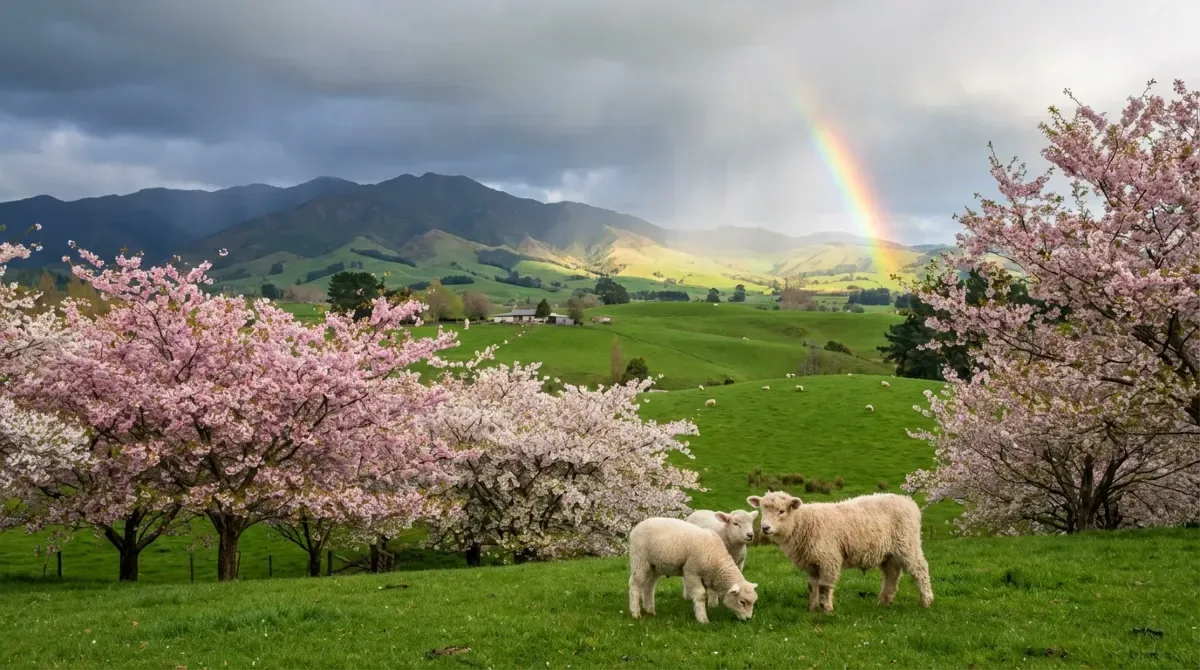
Spring in New Zealand brings a magical mix of blooming landscapes, playful baby animals, and that classic Kiwi weather you never quite see coming. Whether you're a local planning a road trip or sharin...
Tom covers travel, lifestyle, and cost-of-living topics across New Zealand. He writes practical guides on transport, day trips, outdoor activities, and everyday life in Aotearoa.
Spring in New Zealand brings a magical mix of blooming landscapes, playful baby animals, and that classic Kiwi weather you never quite see coming. Whether you're a local planning a road trip or sharing tips with overseas mates, visiting New Zealand in spring (September to November) offers fresh adventures without the summer crowds.
Why Spring is a Top Time for Visiting New Zealand
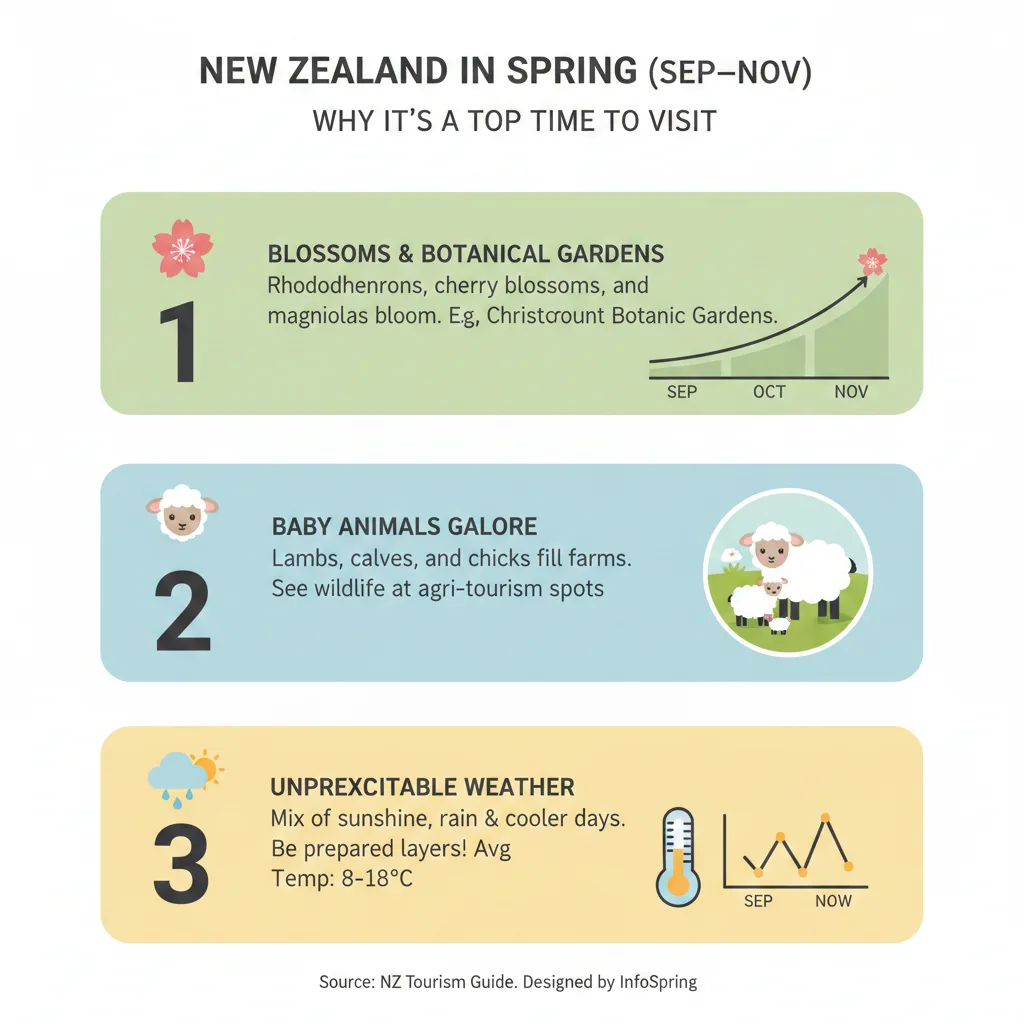
Spring marks the country's awakening, with landscapes greening up and wildlife bursting into life. It's shoulder season, meaning fewer tourists, lower accommodation rates, and trails that feel like your own private playground. Temperatures rise steadily from around 8–10°C in early September to 18–22°C by November, though the North Island warms quicker than the South.
Expect vibrant lupin blooms in places like Lake Tekapo, newborn lambs dotting rural paddocks during lambing season (peaking October), and longer days as daylight saving kicks in late September. It's perfect for Kiwis wanting to escape the daily grind—think weekend hikes or family outings to see the first wildflowers.
Weather Breakdown: Month by Month
New Zealand's spring weather is notoriously unpredictable—pack layers, a rain jacket, and sunscreen, as you might get all four seasons in one day. Here's what to expect:
- September: Chilly starts (5–10°C lows, highs 10–18°C), especially South Island. Wettest month with showers, but flowers start blooming and snow melts in the mountains.
- October: Warming to 12–20°C, lambing in full swing. Rainfall eases slightly, ideal for hiking as paths clear.
- November: Pre-summer vibes at 14–22°C, drier in many spots. NIWA forecasts near-average or above-average temps for 2025–2026, with dry leans possible except north North Island.
| Month | Avg High (°C) | Rainfall | Highlights |
|---|---|---|---|
| September | 10–18 | Moderate (100–110mm) | Blossoms emerge, lambs born |
| October | 12–20 | Moderate (100–105mm) | Lambing peak, greening fields |
| November | 14–22 | Moderate (90–100mm) | Lupins bloom, warmer hikes |
Data adapted from regional averages; west coasts wetter, inland drier.
Must-See Spring Highlights Across the Islands
North Island Gems
Head to Northland for 19°C days and kauri forests sprouting new growth, or Auckland (18°C highs) for harbour cruises amid blooming natives. Tongariro Crossing shines with clearer paths post-winter, while Cathedral Cove offers kayaking in warming waters. Don't miss Hawke's Bay's early orchard blossoms—perfect for a picnic.
South Island Spectacles
Queenstown hits 16°C, with lingering snow on peaks for stunning hikes like Routeburn Track. Lake Tekapo's lupin fields explode in purple by November, and Central Otago vineyards hint at autumn's harvest prep. Farmlands from Christchurch south teem with lambs—drive the scenic Route 1 for views.
Pro Tip: Check MetService for live updates, as NIWA notes variable rain risks in 2026.
Packing Essentials and Practical Tips for Unpredictable Weather
Layer up: merino base layers, fleece, waterproof jacket, sturdy tramping boots, and a hat. Sunscreen is non-negotiable—UV is fierce even on cloudy days. For baby animal spotting, visit farms like Sheepworld in Auckland or rural South Island spots; many offer hands-on experiences.
- Book ahead: Campsites and DOC huts fill fast for weekends.
- Drive safely: Rural roads can be icy early spring; check NZTA for conditions.
- Respect nature: Stick to tracks to protect fragile alpine meadows.
- Budget savvy: Shoulder season means 20–30% off peak accommodation via Booking.com or holiday parks.
For events, catch spring festivals like the Bluff Oyster & Food Festival (May bleed-over) or local blossom parades in Wanaka.
Getting Around and Accessibility for Spring Trips
InterCity buses or rental cars from major airports suit most. For freedom, grab a campervan—spring rates are low, but black water stations at holiday parks are handy. Ferries between islands run reliably, though check for swells. Public transport via AT in Auckland or Metro in Christchurch works for urban bases.
Family-Friendly: Baby animals thrill kids; pack insect repellent for sandflies in warmer spots.
FAQ: Common Questions About Visiting New Zealand in Spring
Q: Is spring a good time for tramping?
A: Yes, milder weather and fewer crowds make it ideal, but check DOC for track status—some high routes need snow clearance.
Q: What's the rainfall like?
A: Moderate, wetter early on. Pack rain gear; November often drier.
Q: Are attractions open?
A: Most are, post-winter. Ski fields transition to biking by late October.
Q: Best for baby animals?
A: October lambing season—visit farms or rural drives.
Q: How crowded is it?
A: Quiet shoulder season, perfect for Kiwis avoiding holiday rushes.
Q: Any 2026 weather forecasts?
A: NIWA predicts near/above-average temps, variable rain—monitor updates.
Plan Your Spring Adventure Today
From blossom-chasing in Tekapo to lamb-spotting on the farm, spring delivers New Zealand at its rejuvenated best. Grab your gear, check the forecast on MetService, and hit the road—your perfect seasonal escape awaits. Share your spring snaps with us at Lifetimes NZ!
Related Articles
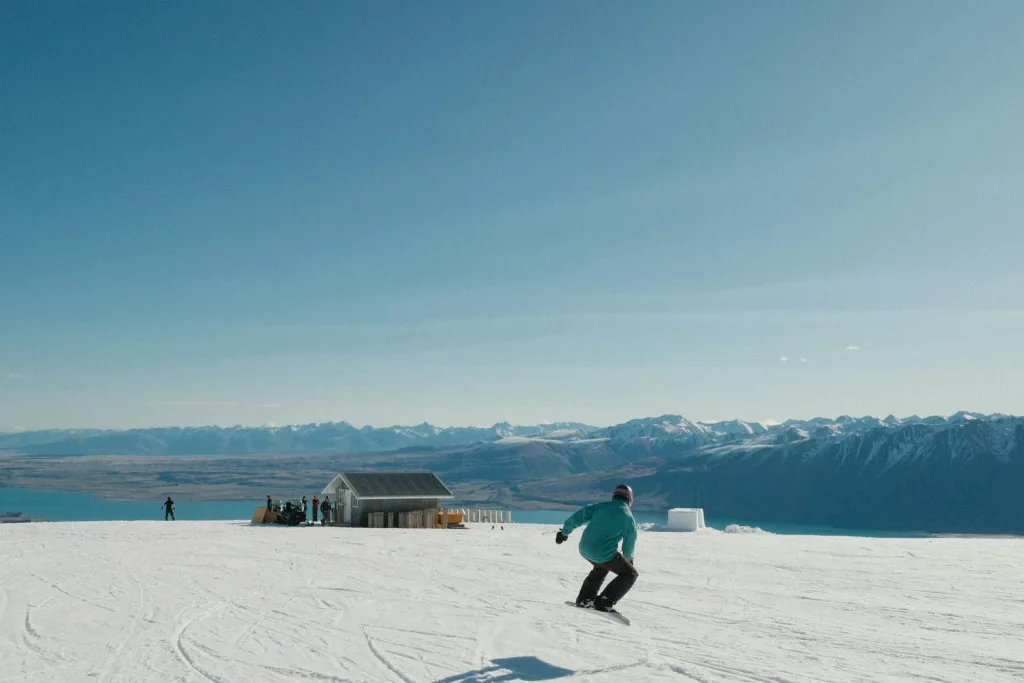
Visiting New Zealand in Winter (Jun–Aug): Ski, Snow, Hot Pools and Clear Skies
New Zealand's winter months (June to August) transform the country into a snow-dusted wonderland, offering everything from world-class skiing to steaming geothermal pools and starlit nights. Whether y...
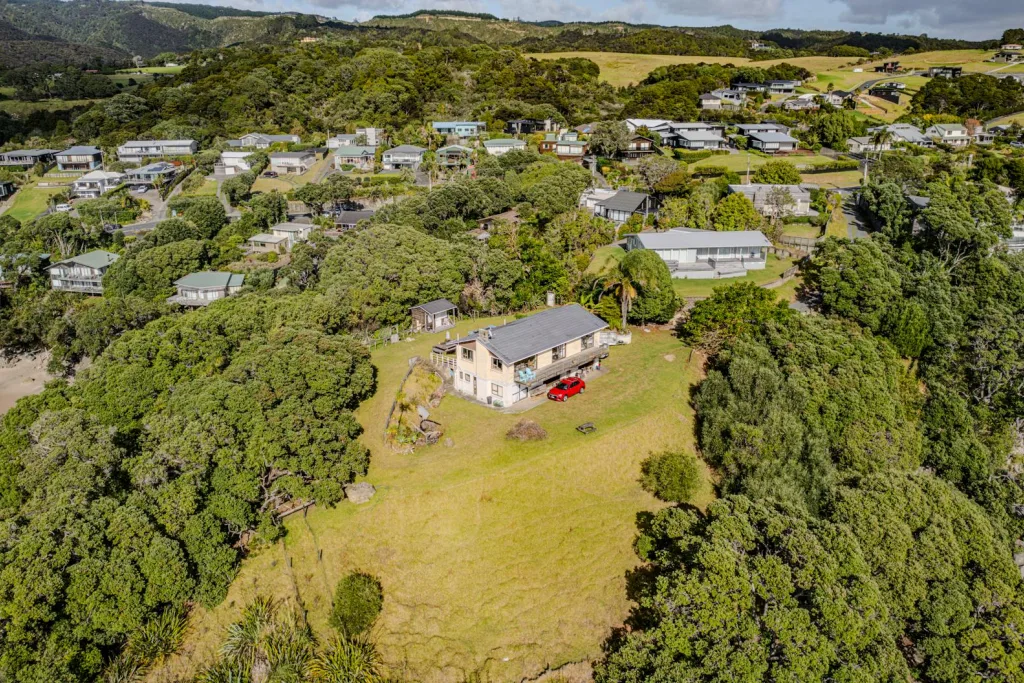
Visiting New Zealand in Summer (Dec–Feb): Crowds, Prices and Best Beach Spots
Summer in New Zealand means long days, balmy evenings, and beaches calling your name—but if you're a Kiwi planning a getaway from December to February, you'll want to navigate the crowds and price spi...
Major Festivals and Events in New Zealand: Wine, Food, Culture and Sports Calendar
Whether you're a Kiwi chasing the next big thrill or planning a weekend getaway, New Zealand's calendar bursts with major festivals and events celebrating our world-class **wine**, mouthwatering **foo...
When to Visit New Zealand for Specific Experiences: Skiing, Hiking, LOTR, Wildlife and Glow‑Worms
New Zealand's diverse landscapes offer something magical year-round, whether you're chasing powder on the slopes, summiting epic tracks, reliving The Lord of the Rings moments, spotting wildlife, or m...