Condenser Dryers vs Vented Dryers: Which Suits Your NZ Home?
Struggling with damp clothes on those endless rainy days in New Zealand? Choosing between a condenser dryer and a vented dryer can make all the difference in keeping your family’s laundry on track, es...
Daniel covers technology, cybersecurity, and small business topics for Lifetimes NZ. He breaks down tech news and digital trends for a general audience.
Struggling with damp clothes on those endless rainy days in New Zealand? Choosing between a condenser dryer and a vented dryer can make all the difference in keeping your family’s laundry on track, especially in our variable climate. With energy costs rising and homes varying from cosy apartments to spacious family pads, we’ll break down which option suits your NZ lifestyle best.
How Vented Dryers Work
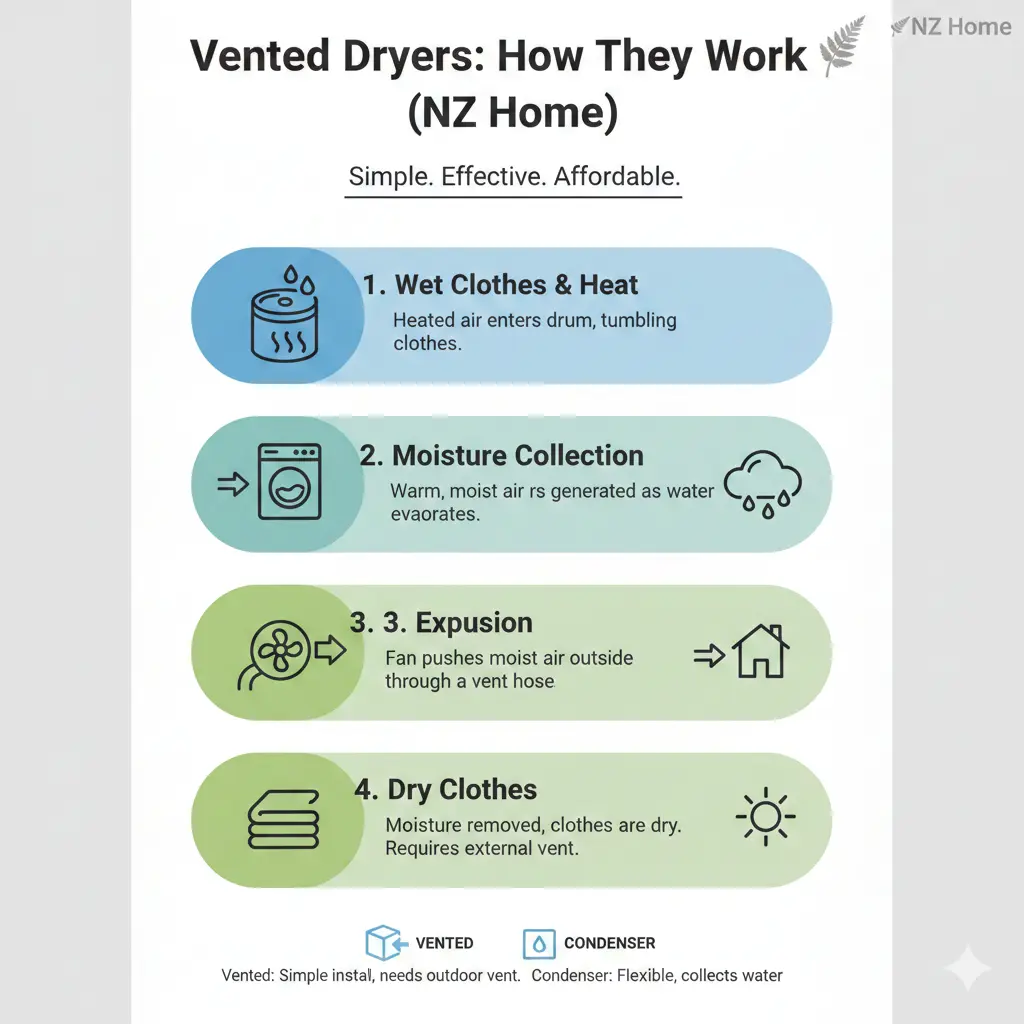
Vented dryers are the classic choice, heating air inside the drum and blowing it through your clothes before expelling the hot, moist air outside via a duct or hose. This straightforward design means they dry loads quickly—often in under an hour for a standard 8kg cycle.
In Kiwi homes with good outdoor access, like baches or houses with external walls, installation is simple. Many models, such as the Onix 8kg Vented Dryer, come with front or rear venting options and even wall-mounting kits for space-saving. They're ideal if you're on a tight budget, starting from around $500.
Pros and Cons of Vented Dryers
- Pros: Cheapest upfront, fast drying, low maintenance if you clean the lint filter regularly.
- Cons: Needs external venting (tricky in apartments), higher energy use (around 2 Energy Stars, $122 annual cost for 8kg model), and adds humidity if not vented properly.
How Condenser Dryers Work
Condenser dryers heat the air, pass it through the clothes, then cool it to condense moisture into water collected in a tank or drained via a hose—no external vent required. This flexibility shines in NZ apartments, internal laundries, or multi-storey homes where venting outside isn't feasible.
Priced from $650, they offer more cycles and sensors for better fabric care than basic vented models. You can stack them on a front-loader or place them anywhere with power, though you'll need to empty the tank unless plumbed in.
Pros and Cons of Condenser Dryers
- Pros: Vent-free installation, more features, suitable for any room.
- Cons: Slower drying (longer cycles), higher running costs than heat pumps, generates room heat and requires tank maintenance.
Key Differences: Condenser vs Vented Dryers
When comparing condenser dryers vs vented dryers, installation and flexibility are top factors for NZ homes. Vented models demand an external duct, limiting them to well-ventilated spaces, while condensers go anywhere. Speed favours vented (quicker cycles), but condensers win on placement.
| Feature | Vented Dryers | Condenser Dryers |
|---|---|---|
| Installation | External vent required | No vent needed; tank or drain |
| Drying Speed | Faster | Slower |
| Upfront Cost | $500+ | $650+ |
| Energy Efficiency | Lower (2 Stars typical) | Moderate |
| Best For | Budget, ventilated homes | Apartments, flexible spaces |
Energy-wise, both use more power than heat pumps, but vented can be cheaper to run in short bursts if electricity rates are low—check your supplier via powerswitch.org.nz.
Energy Costs and Efficiency in New Zealand
With average power prices around 30-35c/kWh in 2026, dryer choice impacts your bill. A typical 8kg vented dryer runs at $122 yearly, while condensers are similar or slightly higher due to longer cycles. The EECA recommends checking Energy Star ratings—aim for at least 2-3 stars to save.
In damp regions like the West Coast or Auckland, avoid venting moist air indoors to prevent mould—condensers keep humidity contained. For bigger savings, consider heat pumps (up to 70% less energy), but if sticking to these two, prioritise lint filter cleaning to maintain efficiency.
Practical Tips for Kiwi Homes
Measure your space first: Vented needs 10-15cm clearance for the hose; condensers just power and drainage. In rentals, check with your landlord—many allow stackable condensers without mods.
- Opt for sensor drying to avoid over-drying and save power.
- Clean filters after every load to prevent fires (ACC reports dryer lint causes 50+ incidents yearly).
- Run during off-peak hours (9pm-7am) for lower rates via your retailer.
- For families, go 8kg+ capacity; singles can manage 6kg.
Popular NZ picks include the Haier 6kg Vented for couples ($ affordable, versatile venting) and Westinghouse condensers for reliability.
Next Steps for Your Perfect Dryer
Assess your space, budget, and usage: vented for quick, cheap dries in vented homes; condenser for flexibility anywhere. Visit retailers like Appliances Online or JB Hi-Fi for 2026 models, compare Energy Stars, and calculate running costs with your power rate. You'll dry smarter, not harder—happy laundering!
Frequently Asked Questions
Sources & References
- 1
-
2
Vented vs. Condenser vs. Heat Pump Dryers 2026 — YouTube — www.youtube.com
-
3
10 of the Most Popular Clothes Dryers in New Zealand 2025 — appliancesonline.co.nz — www.appliancesonline.co.nz
-
4
Best Dryers in NZ: Ultimate Buying Guide — canstar.co.nz — www.canstar.co.nz
-
5
Heat Pump vs Condenser vs Vented Dryer — YouTube — www.youtube.com
-
6
Select an efficient clothes dryer to cut energy costs — eeca.govt.nz — www.eeca.govt.nz
-
7
Dryer Guide: Vented vs Condenser vs Heat Pump — nationalproductreview.com.au — www.nationalproductreview.com.au
Related Articles

iPad Pro: Premium Tablet for Creative Professionals
If you're a creative professional in New Zealand looking for a tablet that can handle demanding work, the iPad Pro with the M5 chip might be exactly what you need. Whether you're editing videos, desig...
Handheld Vacuum Cleaners: Quick Cleanup Solutions
Handheld vacuum cleaners have become essential tools for Kiwi households, offering quick cleanup solutions without the hassle of dragging out a full-size vacuum. Whether you're dealing with crumbs on...

French Door Refrigerators in NZ: Luxury Cooling with Style
If you're looking to upgrade your kitchen with a stylish and spacious refrigerator, a French door fridge might be exactly what you need. These elegant appliances have become increasingly popular in Ne...

Chest Freezers in New Zealand: Bulk Storage for Rural Properties
If you're living on a rural property in New Zealand, a chest freezer isn't just a convenience—it's a practical investment for storing homekill, bulk meat purchases, garden produce, and fish. Whether y...