Dehumidifiers for New Zealand Homes: Combat Dampness and Mould
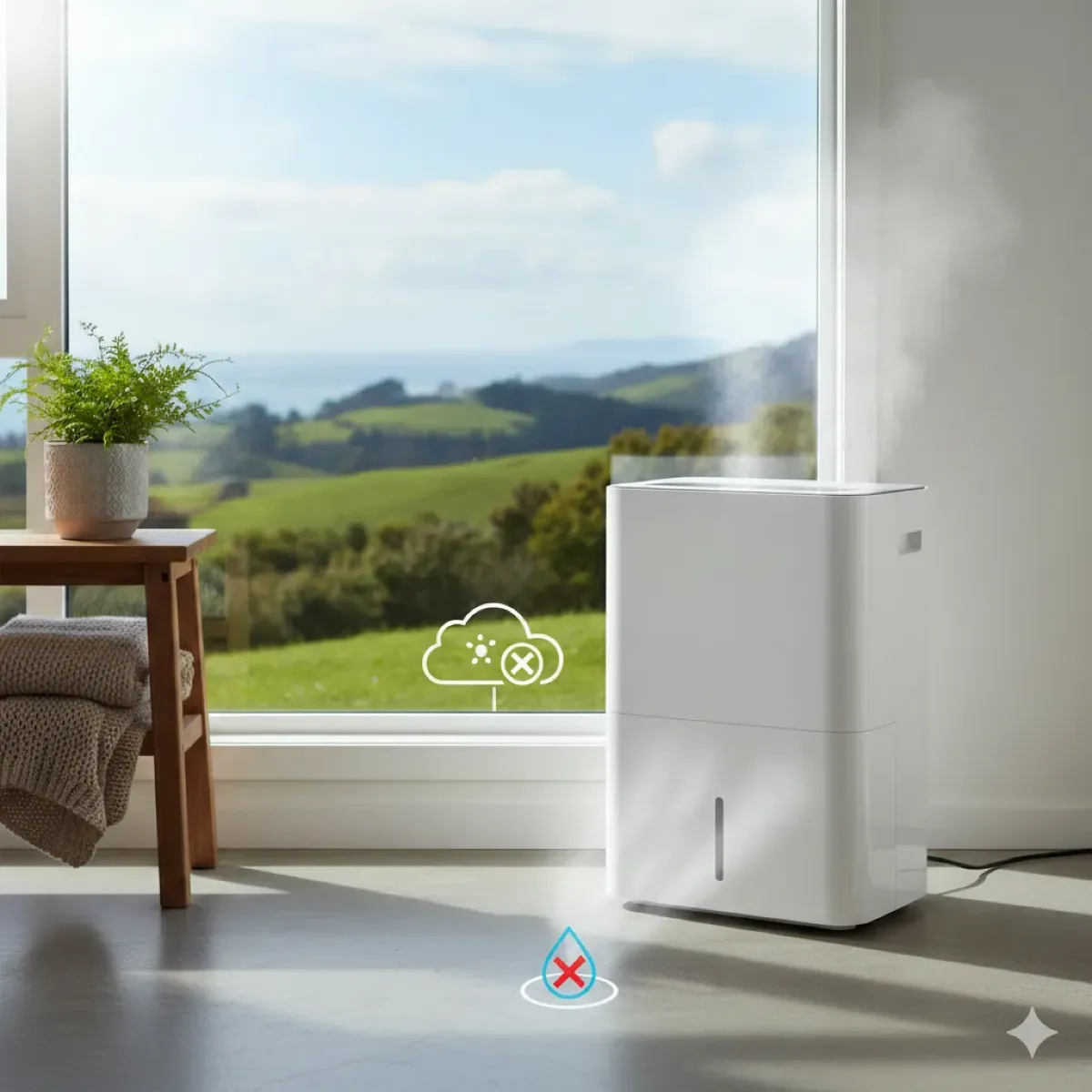
New Zealand's damp climate creates the perfect breeding ground for mould, mildew, and moisture-related problems in our homes. If you've noticed condensation on windows, musty smells in bedrooms, or vi...
Daniel covers technology, cybersecurity, and small business topics for Lifetimes NZ. He breaks down tech news and digital trends for a general audience.
New Zealand's damp climate creates the perfect breeding ground for mould, mildew, and moisture-related problems in our homes. If you've noticed condensation on windows, musty smells in bedrooms, or visible mould creeping up bathroom walls, you're not alone—dampness is a widespread challenge for Kiwis. The good news? A quality dehumidifier can transform your indoor environment, protecting your health, your home's structure, and your belongings from the damage excess moisture causes.
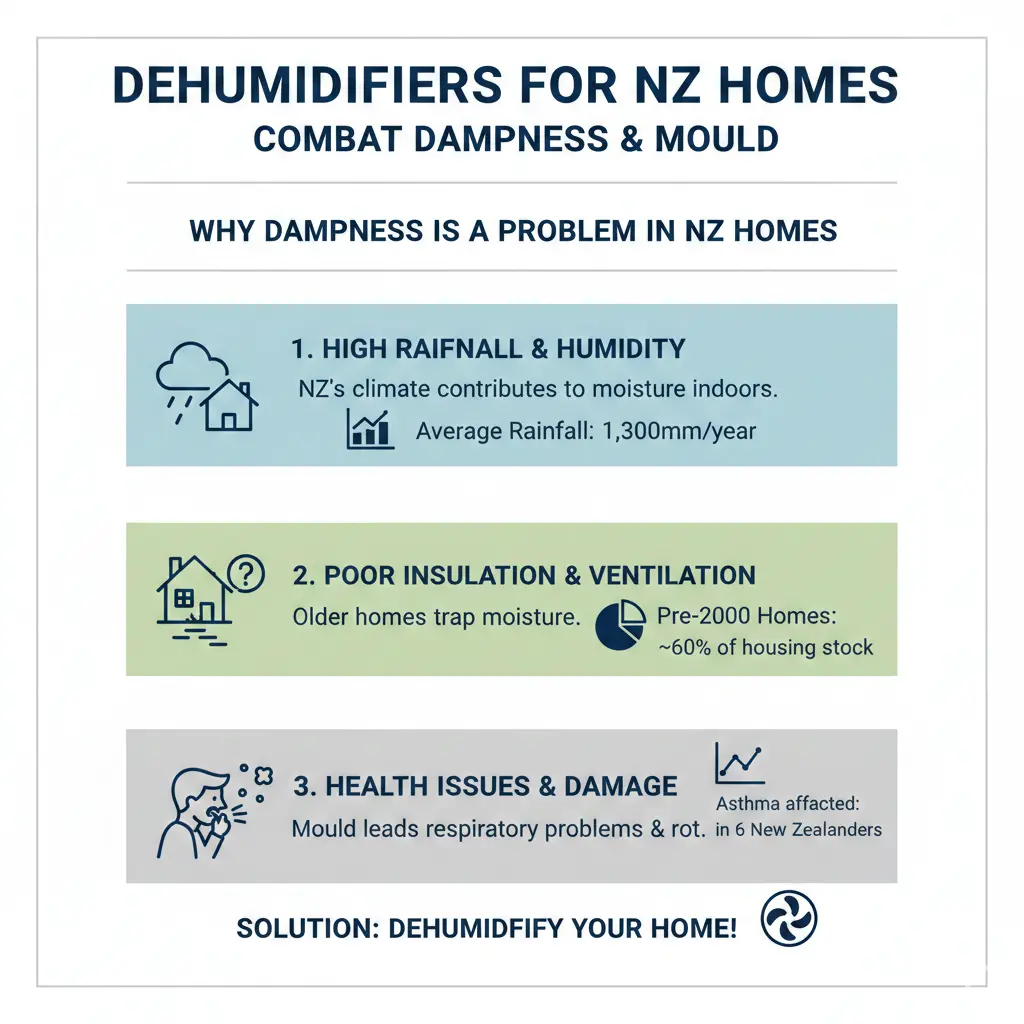
Why Dampness Is a Problem in New Zealand Homes
Our climate—particularly in regions like Auckland where low temperatures combine with high humidity—creates ideal conditions for moisture buildup. Excess humidity doesn't just feel uncomfortable; it actively damages your home and health. Mould thrives in damp environments, triggering asthma and allergies. Dust mites multiply in humid air. Electronics and furniture deteriorate faster. Condensation on windows signals trapped moisture that can lead to structural damage over time.
Dehumidifiers work by extracting moisture from the air, creating a drier, healthier living space. They're particularly useful in bedrooms, laundries, basements, and poorly ventilated areas where condensation and musty odours build up.
Understanding Dehumidifier Types
Refrigerant-Based Dehumidifiers
These are the most common type and work like air conditioners in reverse. They're highly effective at removing moisture in warmer conditions but lose efficiency in cold environments. Since many New Zealand homes aren't heavily heated, these work best in spring and summer months.
Desiccant Dehumidifiers
Desiccant units use a moisture-absorbing material rather than a compressor. They're smaller, quieter, and—crucially for Kiwis—maintain their efficiency at low temperatures, making them ideal for New Zealand winters. If you live in a cooler region or struggle with winter dampness, a desiccant model might be your best choice.
Key Features to Consider When Buying
Coverage Area
Dehumidifier capacity depends on room size and humidity levels. Here's a practical guide for choosing the right capacity:
- For 1–2 bedroom apartments (up to 100 square metres): A 9L/day unit
- For 2–3 bedroom homes (up to 220 square metres): A 17L/day unit
- For 3-bedroom houses (up to 280 square metres): A 22L/day unit
- For larger homes (300+ square metres): Consider whole-home systems
High-humidity areas might need a larger dehumidifier for smaller spaces, so assess your specific situation before purchasing.
Water Tank Capacity
Larger tanks mean less frequent emptying, but they also make units heavier and less portable. Consider how often you're willing to empty the tank. Many modern dehumidifiers offer continuous drain options with included hoses, eliminating manual emptying altogether.
Noise Level
Measured in decibels (dB), this matters if you're placing your dehumidifier in a bedroom or living area. Look for models with lower dB ratings—for reference, a library conversation is around 42 dB(A). Desiccant units are generally quieter than compressor-based models.
Energy Efficiency
Power consumption directly impacts your power bill. Efficient dehumidifiers help reduce strain on heating systems by removing damp air that takes longer to warm, making rooms feel more comfortable without relying solely on heaters. Look for models with energy-saving features as a priority.
Additional Features
Modern dehumidifiers often include digital humidity controls, timers, and auto shut-off functions that simplify daily use. Some models combine dehumidification with air purification, targeting dust, dander, and airborne pollutants—particularly useful if you or your family members suffer from allergies or asthma.
Top Dehumidifier Options for Kiwi Homes
Budget-Friendly: Kogan Mini Dehumidifier
At $99 from Mighty Ape, this ultra-compact unit is perfect for small spaces and window condensation. It's lightweight, easy to move between rooms, and includes simple timer controls.
Mid-Range: SmarterHome 2-in-1 Dehumidifier and Air Purifier
Priced at $229, this model combines dehumidification with air purification, making it excellent value if you want to tackle both moisture and airborne pollutants.
Premium: Breville The All Climate 2-in-1 Dehumidifier & Purifier
At $623.86, this desiccant-based model excels in low temperatures and includes advanced AntiViral HEPA-13 filtration. It's ideal if you live further south and want a dehumidifier that performs year-round.
Allergy-Focused: Tasciugo AriaDry Multi
Removing up to 14 litres of water per day, this De'Longhi model ($549.99) reduces moisture, filters allergens, eliminates odours, and includes a clothes-drying mode—perfect for lounge and shared living spaces.
Money-Saving Tips for New Zealand Buyers
Timing your purchase strategically can save you up to 25% off the recommended retail price. Buy dehumidifiers "off-season"—typically autumn and winter when demand drops—to secure the best deals.
Look for models with energy-saving features, as these reduce long-term running costs. Pair your dehumidifier with other home climate solutions like heaters or fans to create a balanced indoor environment that doesn't overwork any single appliance.
Where to Buy in New Zealand
Several retailers stock quality dehumidifiers for Kiwi homes:
- Noel Leeming—offers a range with Best Price Guarantee and myNoelLeeming membership benefits
- Mighty Ape—competitive pricing on compact and portable models
- Appliances Online New Zealand—specialises in top-rated units suited to damp NZ conditions
- De'Longhi and specialist retailers like Ausclimate—offer premium and brand-specific options
Next Steps: Transform Your Home's Indoor Climate
Excess moisture doesn't have to be a permanent fixture in your Kiwi home. By choosing the right dehumidifier for your space, budget, and climate zone, you'll notice improvements within days—fewer condensation problems, fresher air, and a more comfortable living environment. Start by assessing your home's humidity levels, identifying which rooms need the most help, and selecting a model that matches your needs. Whether you're tackling a single damp bedroom or protecting an entire three-bedroom house, there's a dehumidifier solution that'll work for you. Shop around, compare features, and remember: buying off-season can save you significant money whilst still delivering the moisture control your home deserves.
Frequently Asked Questions
Sources & References
-
1
Best Dehumidifiers Buying Guide 2024 - MoneyHub NZ — www.moneyhub.co.nz
-
2
Dehumidifiers For Sale Online in NZ - Noel Leeming — www.noelleeming.co.nz
-
3
A 2024 guide to the best dehumidifiers for NZ homes - NZ Herald — www.nzherald.co.nz
-
4
6 best dehumidifiers for a dryer, healthier home — www.yourhomeandgarden.co.nz
-
5
Shop Top Rated Dehumidifiers - Appliances Online New Zealand — www.appliancesonline.co.nz
-
6
Ausclimate NZ — ausclimate.co.nz
Related Articles

iPad Pro: Premium Tablet for Creative Professionals
If you're a creative professional in New Zealand looking for a tablet that can handle demanding work, the iPad Pro with the M5 chip might be exactly what you need. Whether you're editing videos, desig...
Handheld Vacuum Cleaners: Quick Cleanup Solutions
Handheld vacuum cleaners have become essential tools for Kiwi households, offering quick cleanup solutions without the hassle of dragging out a full-size vacuum. Whether you're dealing with crumbs on...

French Door Refrigerators in NZ: Luxury Cooling with Style
If you're looking to upgrade your kitchen with a stylish and spacious refrigerator, a French door fridge might be exactly what you need. These elegant appliances have become increasingly popular in Ne...
Chest Freezers in New Zealand: Bulk Storage for Rural Properties
If you're living on a rural property in New Zealand, a chest freezer isn't just a convenience—it's a practical investment for storing homekill, bulk meat purchases, garden produce, and fish. Whether y...