Electric Kettles: Fast Boiling for Tea and Coffee Lovers
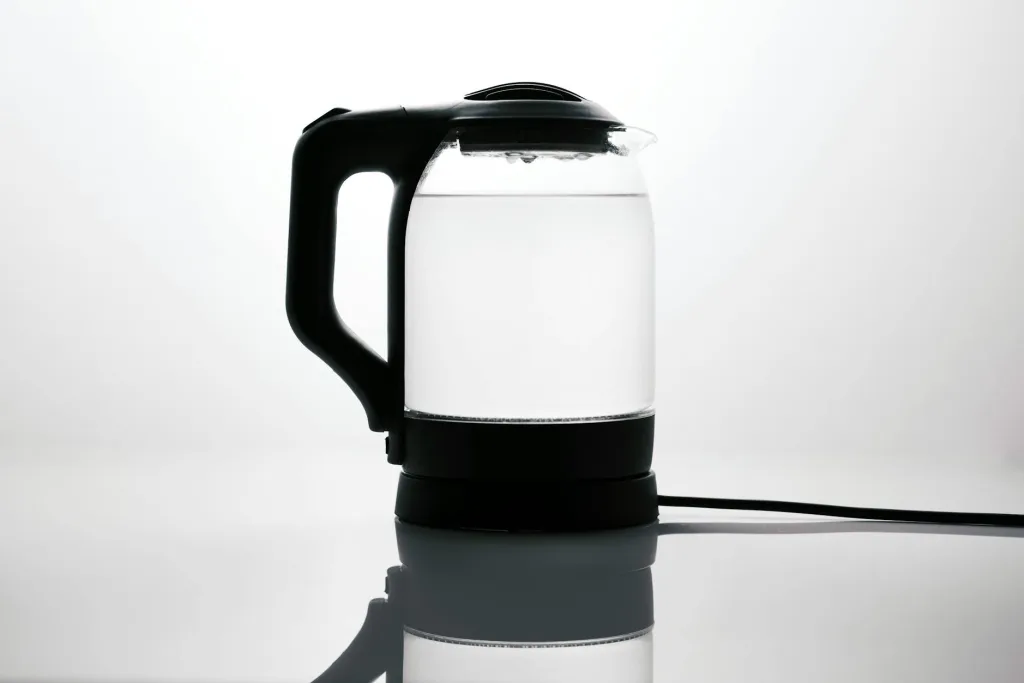
Whether you're a devoted tea enthusiast or a coffee devotee, an electric kettle is one of the most essential appliances in any Kiwi kitchen. These versatile devices have become a modern staple, transf...
Daniel covers technology, cybersecurity, and small business topics for Lifetimes NZ. He breaks down tech news and digital trends for a general audience.
Whether you're a devoted tea enthusiast or a coffee devotee, an electric kettle is one of the most essential appliances in any Kiwi kitchen. These versatile devices have become a modern staple, transforming the simple act of boiling water into a quick, precise, and convenient ritual. From rapid boils for your morning cuppa to temperature-controlled heating for delicate herbal infusions, electric kettles offer far more than their humble appearance suggests.
Why Electric Kettles Are Essential for New Zealand Homes
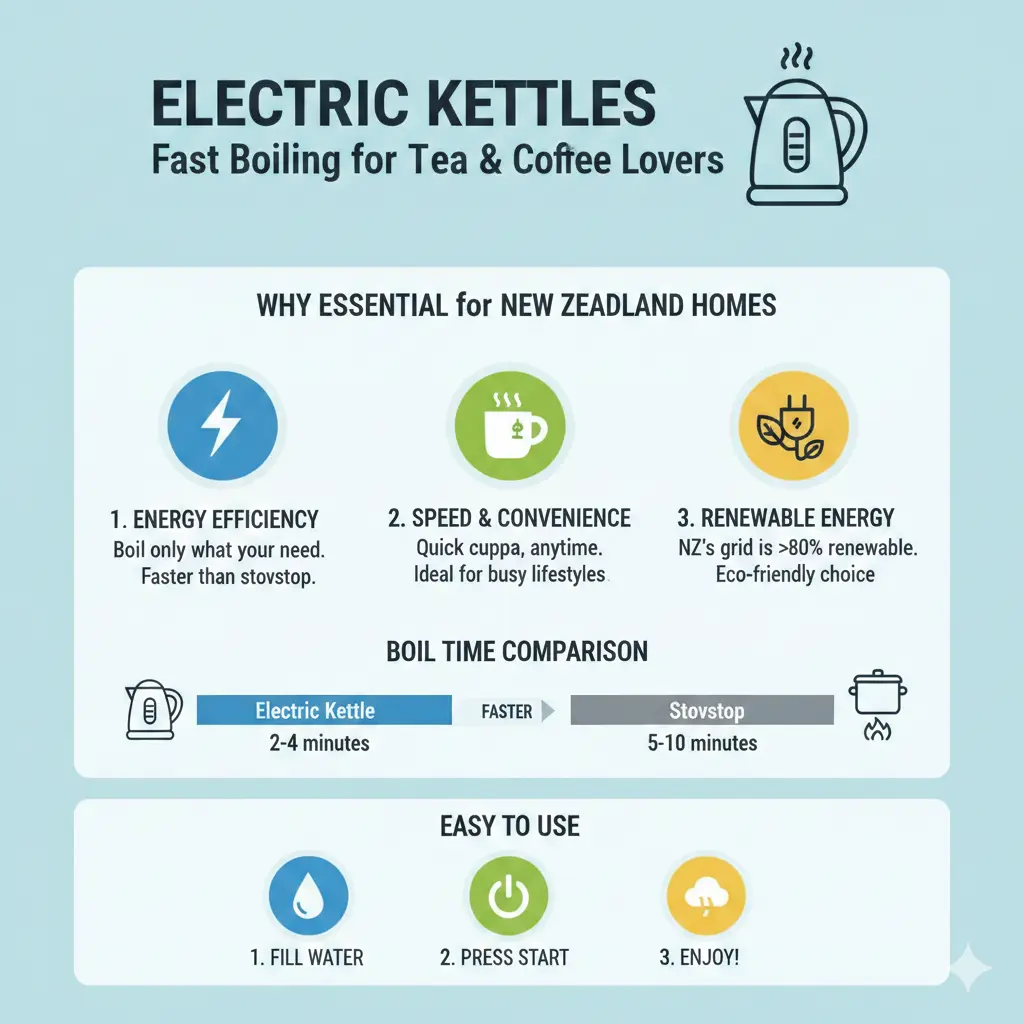
Electric kettles have become indispensable in New Zealand households for good reason. They're faster and more energy-efficient than stovetop alternatives, heating water to boiling point in around 3 minutes for most models. Beyond making tea and coffee, they're practical for everyday tasks like preparing instant noodles, oatmeal, sterilising items, and even unclogging drains.
For Kiwis who value convenience and reliability, electric kettles deliver both. They come with essential safety features such as automatic shut-off, which prevents overheating and reduces energy waste. Most modern models also include power-on lights and audible boil alerts, making them safer and more user-friendly than traditional methods.
Key Features to Look For When Choosing an Electric Kettle
Variable Temperature Control
One of the most valuable features for tea and coffee lovers is adjustable temperature settings. Different beverages require different water temperatures. Green tea, for example, benefits from lower temperatures (around 70-80°C), while black tea and coffee need near-boiling water. Smart kettles typically come with pre-set temperature buttons for specific tea types, making it easy to brew the perfect cup every time.
Boil Time and Power Rating
Most electric kettles will boil a litre of water in approximately 3 minutes, though this varies depending on the appliance's power rating. When comparing models, check the wattage—higher wattage generally means faster boiling times, which is perfect for busy Kiwi households.
Capacity and Design
Electric kettles come in various sizes, from compact 1.5L models designed to save space to larger 1.7L options. Consider your household size and kitchen layout when selecting capacity. The design should also complement your kitchen's aesthetic, with a wide range of colours and styles available from retailers across New Zealand.
Ease of Use and Maintenance
Look for kettles with wide spouts for easy filling and removable lids that don't require tilting. A removable limescale filter is particularly useful if your water supply is hard (high in calcium carbonate), which is common in many New Zealand regions. Easy-to-clean surfaces are also essential for long-term satisfaction and hygiene.
Noise Levels
If you prefer a quieter kitchen environment, check product reviews for noise ratings. Some models boast quiet boiling technology, which is ideal if you're using your kettle early in the morning or late at night.
Electric vs. Stovetop Kettles: What's Best for You?
While stovetop kettles remain available in various styles, electric kettles are significantly more energy-efficient and easier to use. Stovetop kettles can have difficult-to-remove lids and offer less precise temperature control. However, if you love the aesthetic of a stovetop kettle, many brands now offer electric versions that combine traditional styling with modern convenience.
Popular Brands Available in New Zealand
New Zealand retailers stock a wide range of quality electric kettles from trusted brands. Harvey Norman and other major appliance retailers offer options from Breville, Russell Hobbs, Sunbeam, De'Longhi, and KitchenAid. Breville kettles, in particular, are popular among Kiwi tea drinkers for their luxury design, one-touch functionality, keep-warm features, and comprehensive safety features.
KitchenAid offers models like the KEK1701, a 1.7L variable temperature kettle with automatic heating technology and a removable limescale filter, and the KEK1222, a sleek 1.5L compact kettle ideal for smaller kitchens.
Practical Tips for Getting the Most from Your Kettle
- Choose adjustable temperature settings if you regularly drink different types of tea or coffee. This single feature can dramatically improve your brewing experience.
- Look for a power-on light as a convenient safety feature that shows when your kettle is heating.
- Consider an audible boil alert if you tend to wander away from the kitchen or have a particularly quiet kettle.
- Descale regularly if you live in a hard water area. Using a limescale filter helps, but regular descaling extends your kettle's lifespan and maintains performance.
- Match your kettle to your kitchen style. Since kettles are often left on the bench, choosing one that complements your décor adds visual appeal.
Making Your Choice
Choosing the right electric kettle comes down to understanding your needs. Consider how often you use hot water, what beverages you typically prepare, your kitchen space, and your budget. Whether you opt for a basic model or invest in a premium smart kettle with variable temperature settings, you're making a practical choice that'll serve your household well for years to come.
Take time to compare models based on boil time, noise levels, ease of use, and design. Visit your local retailer or check online reviews from New Zealand-based sources to find the perfect kettle for your kitchen. With so many quality options available, you're sure to find one that matches both your brewing preferences and your kitchen's aesthetic.
Frequently Asked Questions
Sources & References
- 1
-
2
Buy Electric Kettle | Harvey Norman New Zealand — harveynorman.co.nz — www.harveynorman.co.nz
-
3
Jug and kettle buying guide - Consumer NZ — consumer.org.nz — www.consumer.org.nz
-
4
Kettle Buying Guide | KitchenAid — kitchenaid.co.nz — kitchenaid.co.nz
-
5
Kettle Buyers Guide | Applianceplus NZ — applianceplus.co.nz — www.applianceplus.co.nz
Related Articles

iPad Pro: Premium Tablet for Creative Professionals
If you're a creative professional in New Zealand looking for a tablet that can handle demanding work, the iPad Pro with the M5 chip might be exactly what you need. Whether you're editing videos, desig...
Handheld Vacuum Cleaners: Quick Cleanup Solutions
Handheld vacuum cleaners have become essential tools for Kiwi households, offering quick cleanup solutions without the hassle of dragging out a full-size vacuum. Whether you're dealing with crumbs on...

French Door Refrigerators in NZ: Luxury Cooling with Style
If you're looking to upgrade your kitchen with a stylish and spacious refrigerator, a French door fridge might be exactly what you need. These elegant appliances have become increasingly popular in Ne...
Chest Freezers in New Zealand: Bulk Storage for Rural Properties
If you're living on a rural property in New Zealand, a chest freezer isn't just a convenience—it's a practical investment for storing homekill, bulk meat purchases, garden produce, and fish. Whether y...