Best Time to Visit New Zealand by Region and Interest (Beaches, Ski, Hiking, Cities)
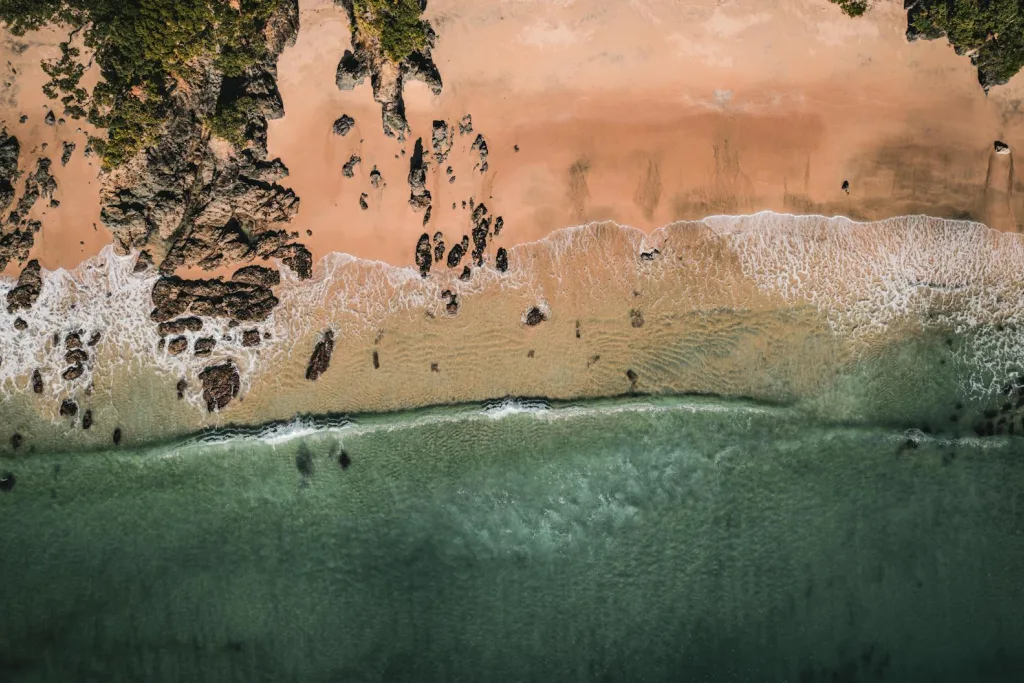
Whether you're planning a summer beach escape, a winter ski trip, or an autumn hiking adventure, the best time to visit New Zealand depends entirely on what you want to do and where you want to go. Ou...
Tom covers travel, lifestyle, and cost-of-living topics across New Zealand. He writes practical guides on transport, day trips, outdoor activities, and everyday life in Aotearoa.
Whether you're planning a summer beach escape, a winter ski trip, or an autumn hiking adventure, the best time to visit New Zealand depends entirely on what you want to do and where you want to go. Our country's diverse regions offer different experiences throughout the year, and understanding the seasonal patterns can help you make the most of your trip.
Understanding New Zealand's Seasons
Remember, if you're from the Northern Hemisphere, everything's flipped here in Aotearoa. Summer runs December to February, autumn is March to May, winter is June to August, and spring is September to November. Each season brings distinct advantages depending on your interests and tolerance for crowds.
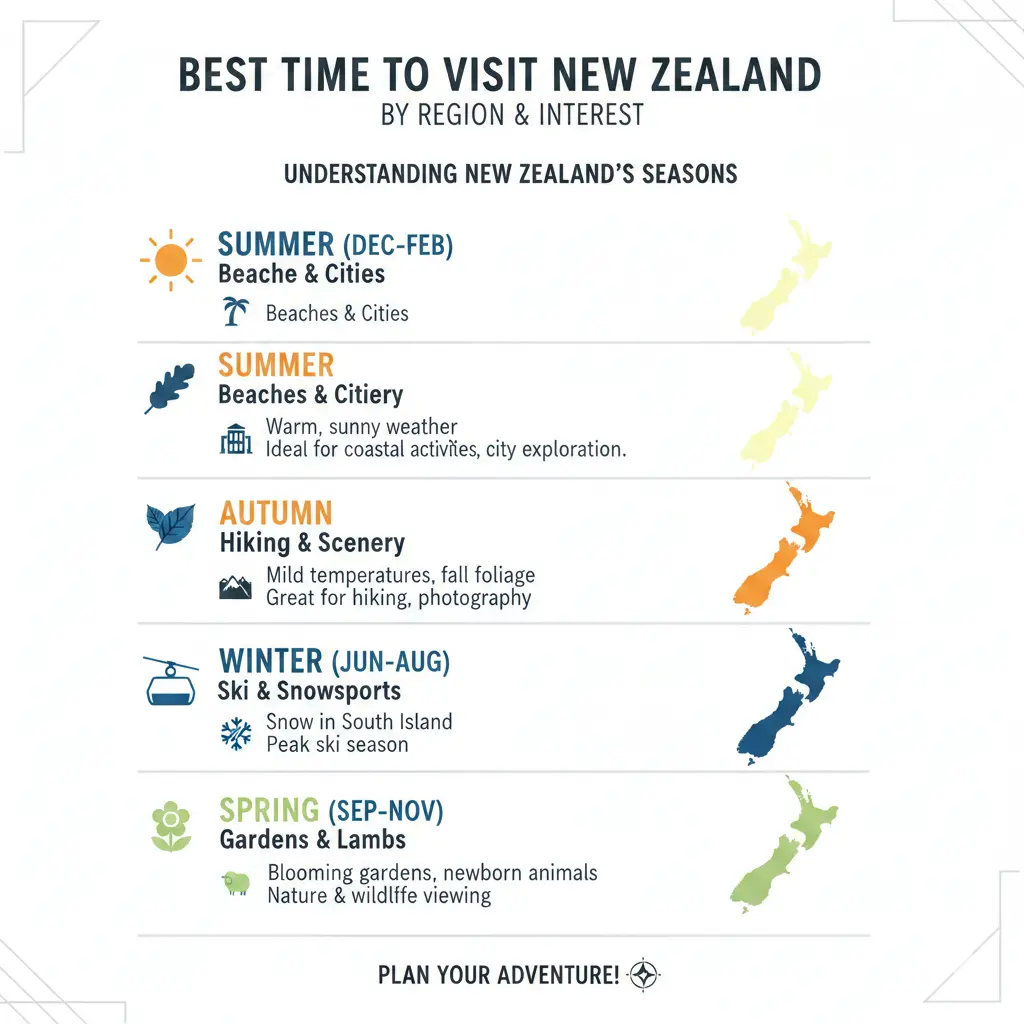
Summer (December–February): Peak Season for Beaches and Water Activities
Summer is when most international visitors arrive, and for good reason. Temperatures typically range from 15–25°C (60–77°F), with some regions like Central Otago and Northland getting even warmer. You'll enjoy the longest daylight hours—sunset around 9pm in midsummer—making it ideal for maximising your time outdoors.
Best For: Beaches and Coastal Activities
If you're heading to the beach, summer is genuinely the best choice. The North Island's coastal waters are warm enough for swimming, and you'll find perfect conditions for kayaking and water sports. Popular beach destinations like the Bay of Islands, Coromandel Peninsula, and Waiheke Island are at their finest.
However, be aware that summer is peak tourist season, meaning higher accommodation prices, crowded trails, and busier attractions. If you want to hike the Great Walks, you'll need to book 6–12 months in advance. The honest truth? If you prefer quieter experiences, summer might not be your best bet.
Practical Tip for Summer Visits
Prioritise weekdays over weekends—Tuesday through Thursday see fewer domestic tourists than Saturdays and Sundays. This small shift can make a real difference to your experience.
Autumn (March–May): The Sweet Spot for Most Travellers
Autumn is widely regarded as the best season for visiting New Zealand, and most locals will tell you the same. Temperatures ease to between 14–22°C, and the summer crowds begin to thin. The air becomes clear and crisp, offering some of the best long-distance visibility of the year.
Best For: Hiking, Wine Tourism, and Photography
This is your ideal window for multi-day tramps without the summer crush. All hiking trails remain open and accessible, but you'll encounter far fewer people on the tracks. The landscape takes on softer, warmer tones—perfect for photography—and the light is less harsh than summer brightness.
Autumn also coincides with wine harvest season throughout Otago and Hawke's Bay. Central Otago in late April and early May is absolutely stunning, with golden poplars and rust-coloured vineyard leaves. If you're interested in wine tourism, this is peak season for vineyard visits and wine-related festivals.
Whale watching season begins in Kaikoura, and wildlife is generally more active. It's also when you'll find the best accommodation prices and availability outside of winter.
Breaking Down Autumn Into Three Phases
- Early March: Still feels like summer—warm and everything's accessible, but crowds are thinning. Good transition time.
- Late March through April: The sweet spot. Beautiful weather most days, noticeably fewer tourists, excellent prices, and autumn colours starting to appear.
- May: Getting cooler, especially evenings. Very quiet and budget-friendly, but early sunsets limit activity time. Beautiful but requires accepting shorter days.
Winter (June–August): For Ski Enthusiasts and Adventure Seekers
Winter in New Zealand—especially the South Island—is real winter. Cold, short days, and variable conditions mean this season isn't for everyone. However, if you're after snow and skiing, winter is essential.
Best For: Skiing and Alpine Scenery
Ski season runs from June to October, with epic destinations like Queenstown and Nelson drawing skiers from around the world. While temperatures can drop significantly, unfavourable weather hardly deters winter sports enthusiasts. Winter is the busiest time for the South Island, so book accommodation and transport early.
Beyond skiing, winter offers stunning alpine scenery. Tekapo and Mount Cook provide crisp, dramatic landscapes, whilst Rotorua's geothermal pools offer warmth and relaxation. Kaikoura remains spectacular for marine life viewing.
The Winter Trade-Off
Planning specific outdoor activities in winter is risky—you might experience perfect weather or three days of rain. Rigid itineraries can become stressful. If you're flexible and embrace the unpredictability, winter can be magical. If you need certainty, choose another season.
Spring (September–November): The Awakening Season
Spring marks the beginning of New Zealand's travel season. Temperatures rise to a pleasant 15–20°C across both islands, gardens begin to bloom, and the countryside becomes lush and colourful.
Best For: Gentle Hiking, Wine Tasting, and Flexible Itineraries
Spring is one of the easiest seasons for moving between regions, especially if you prefer a smooth daily schedule. It's ideal for wine tasting in Waiheke Island or Marlborough, gentle hiking around Queenstown and Wanaka, and Rotorua's geothermal touring with stable weather.
However, spring conditions vary dramatically within the season. Early September is still quite cold—essentially late winter—with very quiet conditions and low prices but limited services. October is the sweet spot, with awakening nature, manageable weather, and reasonable prices. By November, it's warming significantly and approaching summer conditions, but prices are rising and crowds are building.
Spring Weather Strategy
Weather often deteriorates as the day progresses, so start activities early. Marlborough and Nelson offer more stable conditions than other regions, whilst the West Coast will be wet (it always is), but rain makes waterfalls spectacular.
Best Times by Region and Interest
| Interest | Best Season | Ideal Months | Why |
|---|---|---|---|
| Beaches & Swimming | Summer | December–February | Warmest water, longest days, perfect for North Island coastal activities |
| Skiing & Winter Sports | Winter | June–August | Peak snow conditions, all ski fields operational |
| Hiking & Tramping | Autumn | March–May | Accessible trails, fewer crowds, excellent weather, lower prices |
| City Exploration | Autumn or Spring | March–May or September–November | Comfortable temperatures, manageable crowds, pleasant for walking |
| Wine Tourism | Autumn | March–May | Harvest season in Otago and Hawke's Bay, festivals and vineyard events |
| Photography | Autumn | March–May | Soft light, autumn colours, excellent visibility |
| Budget Travel | Autumn or May | March–May | Lower accommodation prices, fewer tourists, excellent value |
Planning Your New Zealand Adventure
The best time to visit New Zealand really comes down to what matters most to you. If you're chasing warm weather and long days, summer delivers—just expect crowds and higher prices. If you want the full experience without the tourist masses, autumn is genuinely the sweet spot. Winter suits adventure seekers and budget travellers, whilst spring offers a gentle introduction to the country.
Think about your priorities: your budget, your activity interests, your tolerance for crowds, and whether you prefer predictable or variable weather. Once you've answered those questions, the best time to visit becomes clear. And remember, you can book shoulder-season accommodation now with decent availability, giving you flexibility to plan your perfect Aotearoa adventure.
Frequently Asked Questions
Sources & References
-
1
Best Time to Visit New Zealand in 2026 (Avoid Crowds) — relaxedtravelescapes.com
-
2
Best Time to Visit New Zealand in 2026 for a Luxury Round the World Journey — roundtheworlddestinations.com
-
3
Best Time to Visit New Zealand by Month & Season — www.wildernesstravel.com
-
4
Best time to visit New Zealand — www.intrepidtravel.com
-
5
The Best Time Of Year To Visit New Zealand — www.petrinadarrah.com
-
6
New Zealand - When to Go — community.ricksteves.com
-
7
Best Time to Visit New Zealand 2026 — www.flamingotravels.net
-
8
Best Time to Visit New Zealand – 2026 Guide — www.thebrokebackpacker.com
Useful Tools
Related Articles
Visiting New Zealand in Winter (Jun–Aug): Ski, Snow, Hot Pools and Clear Skies
New Zealand's winter months (June to August) transform the country into a snow-dusted wonderland, offering everything from world-class skiing to steaming geothermal pools and starlit nights. Whether y...
Visiting New Zealand in Summer (Dec–Feb): Crowds, Prices and Best Beach Spots
Summer in New Zealand means long days, balmy evenings, and beaches calling your name—but if you're a Kiwi planning a getaway from December to February, you'll want to navigate the crowds and price spi...
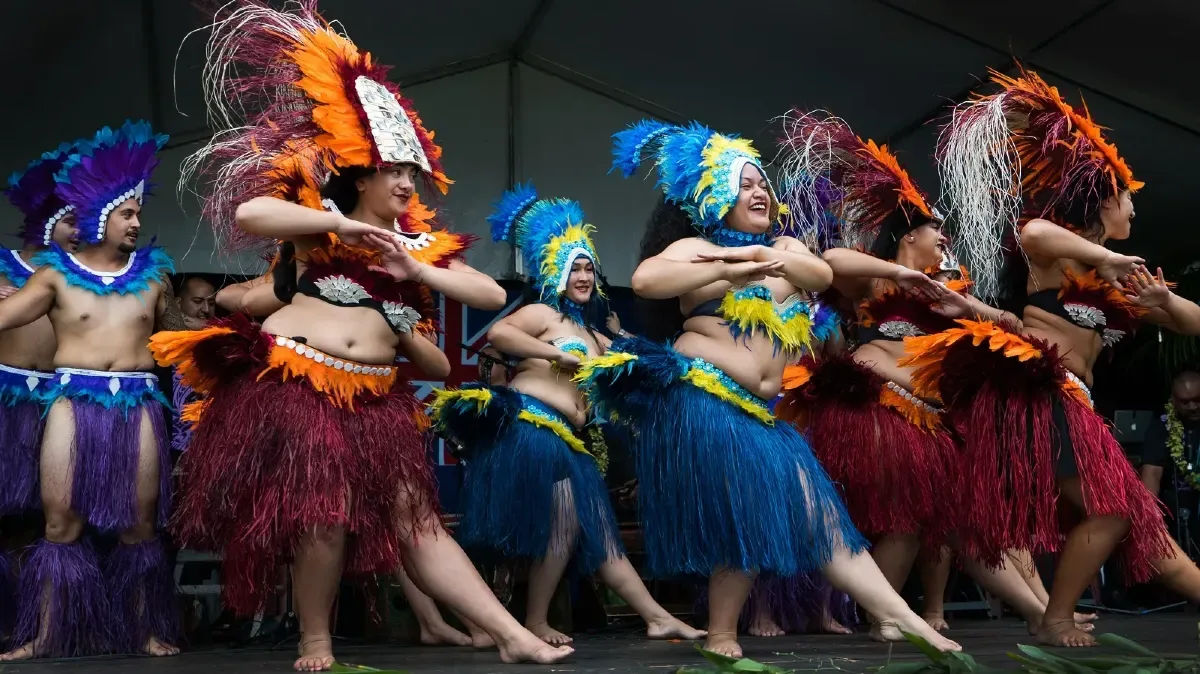
Major Festivals and Events in New Zealand: Wine, Food, Culture and Sports Calendar
Whether you're a Kiwi chasing the next big thrill or planning a weekend getaway, New Zealand's calendar bursts with major festivals and events celebrating our world-class **wine**, mouthwatering **foo...
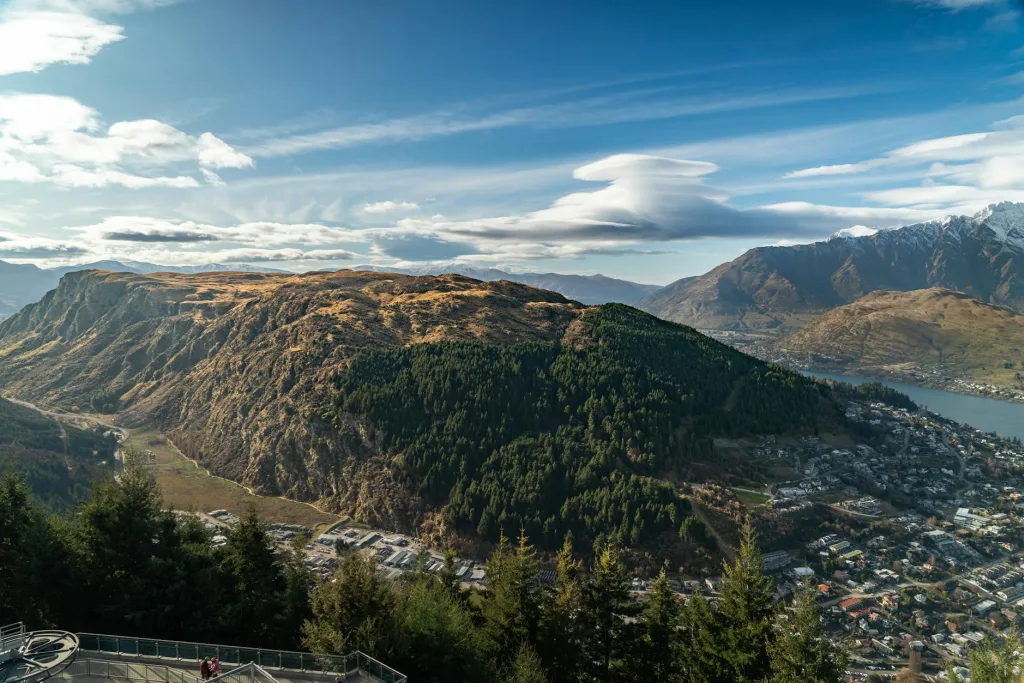
When to Visit New Zealand for Specific Experiences: Skiing, Hiking, LOTR, Wildlife and Glow‑Worms
New Zealand's diverse landscapes offer something magical year-round, whether you're chasing powder on the slopes, summiting epic tracks, reliving The Lord of the Rings moments, spotting wildlife, or m...