Sandwich Presses: Quick Meals for Kiwi Families
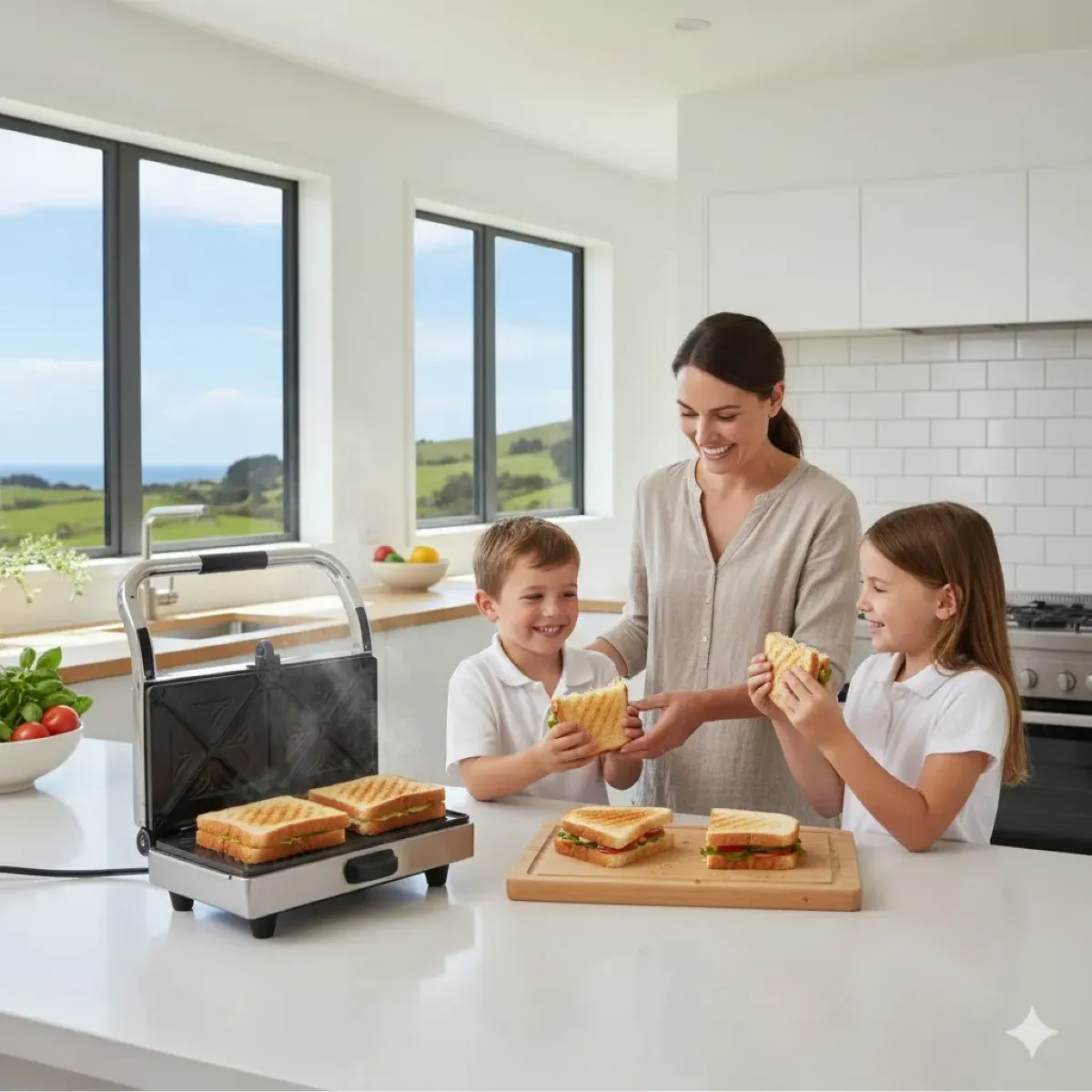
Sandwich presses are transforming how busy Kiwi families prepare quick, delicious meals at home. Whether you're making toasties for the kids' lunch boxes, hosting a weekend brunch, or simply craving a...
Daniel covers technology, cybersecurity, and small business topics for Lifetimes NZ. He breaks down tech news and digital trends for a general audience.
Sandwich presses are transforming how busy Kiwi families prepare quick, delicious meals at home. Whether you're making toasties for the kids' lunch boxes, hosting a weekend brunch, or simply craving a perfectly melted cheese and tomato sandwich on a weeknight, a good sandwich press takes the guesswork out of cooking and delivers restaurant-quality results in minutes.
Why Sandwich Presses Are Essential for Kiwi Kitchens
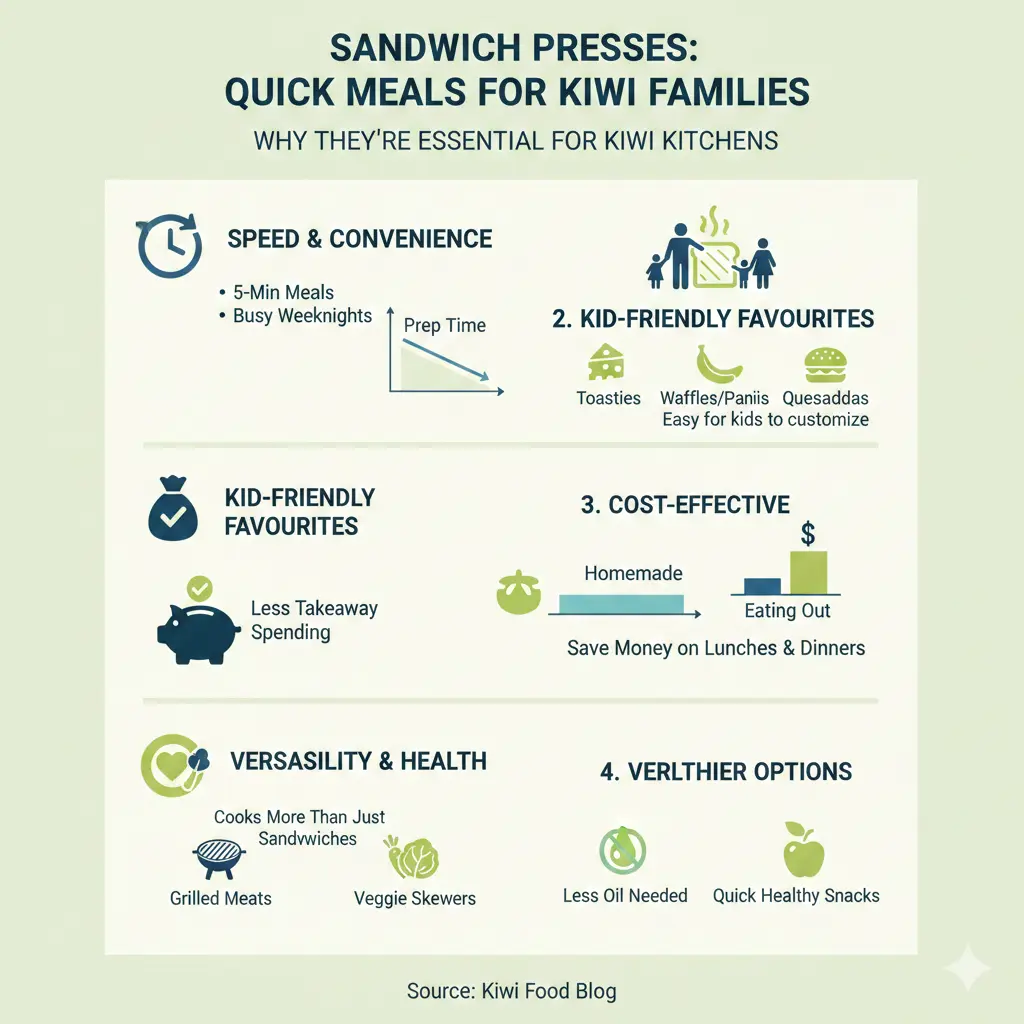
Life moves fast in New Zealand households. Between work commitments, school runs, and after-school activities, finding time to prepare nutritious meals can feel like a juggling act. A sandwich press cuts through the chaos by offering speed, simplicity, and consistency that traditional cooking methods can't match.
Modern sandwich presses come equipped with innovative features like floating hinges, adjustable temperature controls, and non-stick coatings that ensure perfectly toasted sandwiches every time. No burnt edges, no cold centres, no wasted ingredients. Whether you're preparing a quick breakfast before heading to work or making after-school snacks for hungry teenagers, a sandwich press handles the job with minimal fuss.
Beyond the obvious convenience, sandwich presses are remarkably versatile. They're not just for sandwiches anymore. You can use them to make paninis, toasties, waffles, and even grilled vegetables. This versatility means you're getting more value from a single appliance—something that matters when kitchen space and budgets are tight.
What to Look for When Choosing a Sandwich Press
Key Features That Matter
When shopping for a sandwich press in New Zealand, several features deserve your attention:
- Non-stick coating: This is the most common material in today's market, commanding 41.2% of global sandwich maker sales. Non-stick surfaces make cleaning effortless and prevent food from sticking, extending the life of your appliance.
- Temperature control: Adjustable heat settings give you flexibility to cook different foods properly. Some models offer preset options for common items like paninis or waffles, taking the guesswork out of temperature selection.
- Floating hinge design: This feature automatically adjusts to the thickness of your ingredients, so whether you're toasting a thin slice of bread or a chunky panini, the press applies even pressure without crushing your food.
- Compact and portable design: If you've got limited bench space (as many Kiwi kitchens do), look for models that store easily or fit neatly between other appliances.
- Fast heat-up time: Nobody wants to wait 10 minutes for their breakfast. Quality sandwich presses heat up quickly, getting you cooking in moments.
Where to Buy in New Zealand
You'll find excellent sandwich press options at major New Zealand retailers. Noel Leeming offers a fantastic range with their myNoelLeeming membership benefits and Best Price Guarantee. 100% Home New Zealand specialises in premium kitchen appliances with products rated 4.5 stars and above. Briscoes stocks compact, portable models with flat-rate shipping, and JB Hi-Fi NZ provides cutting-edge options with adjustable temperature controls and multiple cooking modes.
Making the Most of Your Sandwich Press
Quick Meal Ideas for Busy Families
Once you've got your sandwich press at home, the creative possibilities are endless. Here are some practical ideas for Kiwi families:
- Classic cheese toasties: A timeless favourite that kids love. Add sliced tomato, ham, or pumpkin for extra nutrition.
- Chicken and pesto paninis: Perfect for using up leftover roast chicken or using deli meat for a quick dinner.
- Breakfast options: Try toasted sandwiches with eggs, bacon, and cheese for a hearty start to the day.
- Vegetarian creations: Grilled vegetables, halloumi cheese, and hummus make delicious plant-based options.
- Sweet treats: Some sandwich presses work brilliantly for toasting fruit and chocolate combinations or making simple waffles.
Maintenance and Safety Tips
To keep your sandwich press in top condition:
- Always unplug before cleaning
- Wipe non-stick surfaces with a damp cloth—avoid abrasive scouring pads that damage the coating
- Check that the power cord isn't damaged before each use
- Allow the unit to cool completely before storing
- Keep the appliance away from water sources when not in use
The Bottom Line
For Kiwi families juggling busy schedules, a sandwich press is more than just a kitchen gadget—it's a practical investment in convenience and nutrition. Whether you're preparing quick weekday lunches, after-school snacks, or weekend brunch, a quality sandwich press delivers consistent, delicious results without the fuss.
With options available at all major New Zealand retailers and price points to suit every budget, there's no better time to upgrade your kitchen. Start by identifying which features matter most to your family, compare options across Noel Leeming, 100% Home New Zealand, Briscoes, and JB Hi-Fi NZ, and choose a model that fits your space and cooking style. Your weeknight dinners—and your sanity—will thank you.
Frequently Asked Questions
Sources & References
-
1
Sandwich Makers and Grills | Cooking | 100% Home New Zealand — www.100percent.co.nz
-
2
Sandwich Maker Market | Global Market Analysis Report - 2035 — www.futuremarketinsights.com
-
3
Sandwich Presses For Sale Online - Noel Leeming — www.noelleeming.co.nz
-
4
Shop Sandwich Presses in New Zealand | Briscoes NZ — www.briscoes.co.nz
-
5
Grills & Sandwich Makers for Home Cooking - JB Hi-Fi NZ — www.jbhifi.co.nz
Related Articles

iPad Pro: Premium Tablet for Creative Professionals
If you're a creative professional in New Zealand looking for a tablet that can handle demanding work, the iPad Pro with the M5 chip might be exactly what you need. Whether you're editing videos, desig...
Handheld Vacuum Cleaners: Quick Cleanup Solutions
Handheld vacuum cleaners have become essential tools for Kiwi households, offering quick cleanup solutions without the hassle of dragging out a full-size vacuum. Whether you're dealing with crumbs on...

French Door Refrigerators in NZ: Luxury Cooling with Style
If you're looking to upgrade your kitchen with a stylish and spacious refrigerator, a French door fridge might be exactly what you need. These elegant appliances have become increasingly popular in Ne...
Chest Freezers in New Zealand: Bulk Storage for Rural Properties
If you're living on a rural property in New Zealand, a chest freezer isn't just a convenience—it's a practical investment for storing homekill, bulk meat purchases, garden produce, and fish. Whether y...