Sustainable Shopping: Why the NZ Second-Hand Market is Booming
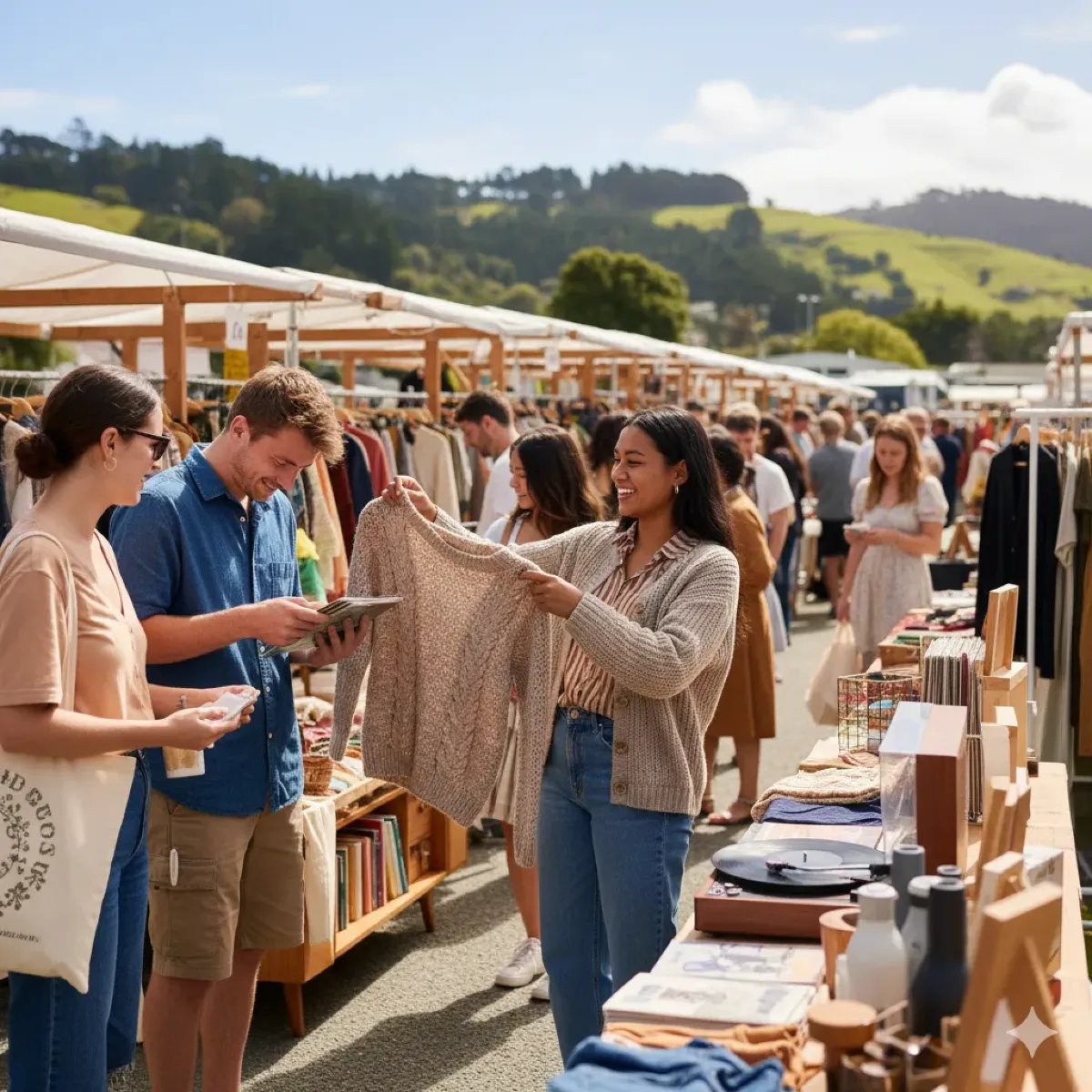
Imagine rummaging through a treasure trove of preloved gems right here in Aotearoa, saving cash while doing your bit for the planet. That's the reality of New Zealand's booming second-hand market, whe...
Tom covers travel, lifestyle, and cost-of-living topics across New Zealand. He writes practical guides on transport, day trips, outdoor activities, and everyday life in Aotearoa.
Imagine rummaging through a treasure trove of preloved gems right here in Aotearoa, saving cash while doing your bit for the planet. That's the reality of New Zealand's booming second-hand market, where Kiwis are ditching fast fashion for sustainable steals and turning clutter into cash.
In 2025, the second-hand market surged by half a billion dollars, hitting a whopping $5.5 billion in value with 81 million items changing hands. A record 89% of Kiwis bought something preloved in the past six months, the highest since tracking began in 2019. Whether you're in Marlborough or Southland—where 97% of folks are snapping up bargains—this trend is reshaping how we shop.
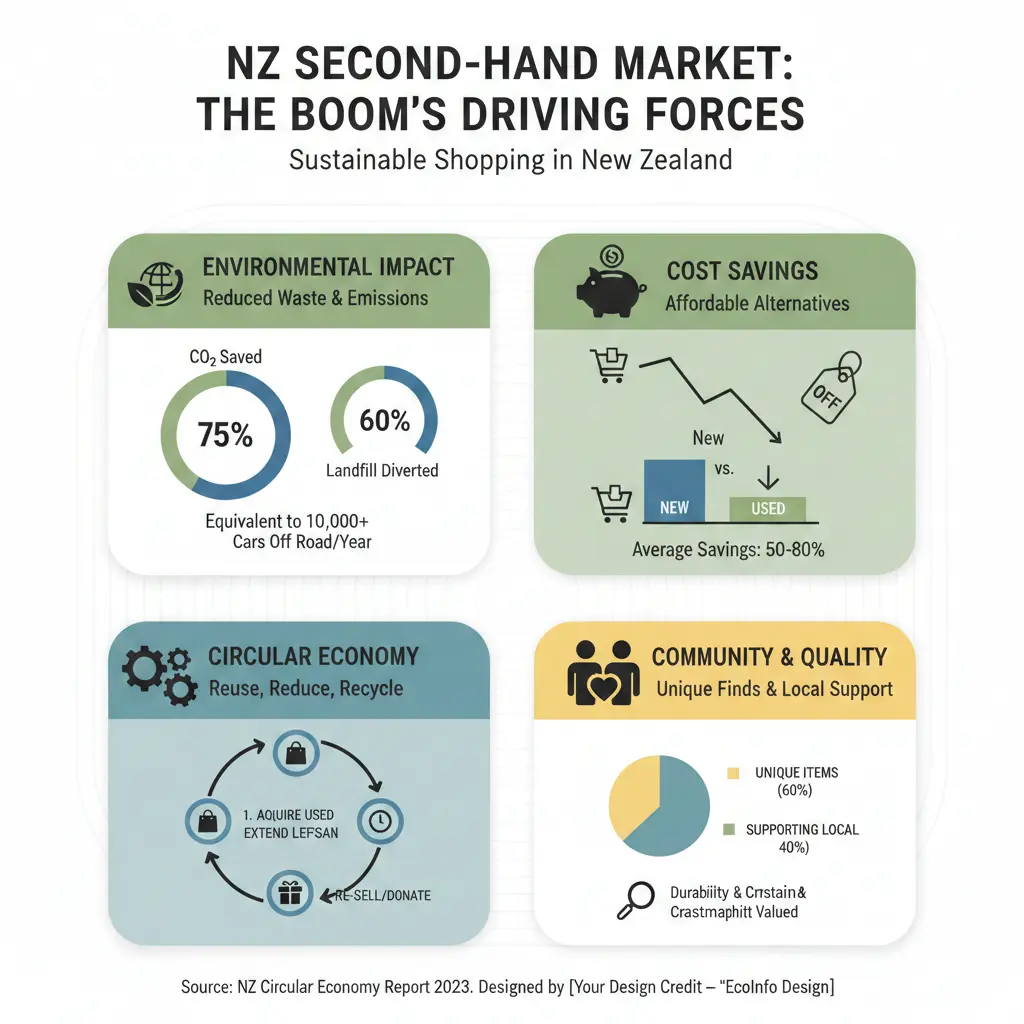
The Driving Forces Behind the Boom
New Zealand's love affair with second-hand shopping isn't just a fad; it's a response to rising costs, environmental awareness, and a shift towards circular living. Let's break down why our preloved scene is thriving.
Cost of Living Pressures Pushing Kiwis to Preloved
With everyday expenses climbing, affordability tops the list at 87% of motivations for second-hand buys. Trade Me's latest report shows 64% of Kiwis cite financial pressure as a key reason for buying and selling more preloved items, up 4% from the previous year. On average, each Kiwi has $1,350 worth of unwanted gear ripe for selling—$50 more than last year.
Younger generations are leading the charge: 83% of those aged 24-39 have sold items in the last six months, often turning it into a side hustle. Gen Z (born 1997-2013) are the keenest, with 94% buying second-hand recently. Picture this: flipping garage sale finds on Trade Me or Facebook Marketplace for extra KiwiSaver top-ups.
Sustainability at the Heart of Kiwi Shopping
Environmental concerns are overtaking money-saving as a motivator. Over half of Kiwis now factor in the eco-impact of purchases, with women leading at higher rates. Fast fashion's water-guzzling toll—like 15-20 gallons per pair of jeans—is waking us up to better choices.
Our circular economy is exploding, valued at $5.5 billion and growing without signs of slowing. Upcycling and repurposing appeal to 58% who love unique pieces with a story. It's not just clothes; homewares, books, and electronics are flying off virtual shelves, reducing landfill waste in line with New Zealand's waste minimisation goals.
Popular Categories and Where Kiwis Are Shopping
Top-Selling Second-Hand Items
Clothing, shoes, and accessories dominate, followed by home and living, then books, CDs, and DVDs. Women buy more (91% vs 85% for men), but everyone's decluttering—79% sold at least one item recently. Nationally, that's 76 million items waiting for new homes, averaging 19 per person.
- Clothing and fashion: Thrifted threads from Designer Wardrobe or op shops.
- Home and living: Furniture flips via Trade Me.
- Books and media: Vinyl revivals and novel stacks.
Prime Platforms and Local Hotspots
Trade Me remains king, but apps like Facebook Marketplace, Designer Wardrobe, and The Marketplace are buzzing. Regional stars? Marlborough and Southland shoppers at 97% participation, Taranaki close behind at 93%.
For in-person hunts, hit op shops from The Salvation Army or local Sustainable Coastlines swaps. In 2026, expect more pop-up markets in Auckland, Wellington, and Christchurch tying into Matariki festivities.
Global Trends Fueling NZ's Local Surge
The second-hand wave is worldwide, but Kiwi adoption is fierce. Globally, second-hand trading platforms hit $17.86 billion in 2026, eyeing $30.36 billion by 2030 at 14.2% CAGR. Apparel alone? $67.40 billion in 2025, racing to $154.59 billion by 2032.
Trends like peer-to-peer apps, authentication tech, and category-specific sites are landing here too. Kiwis are savvy, blending global inspo with local flair—think upcycled merino wool from South Island farms.
Practical Tips for Sustainable Shopping in NZ
Ready to dive in? Here's how to shop smart, sell savvy, and stay sustainable.
Buying Like a Pro
- Check platforms: Use Trade Me's filters for local pickups to cut emissions.
- Verify quality: Ask for detailed pics and seller ratings.
- Haggle ethically: Offer fair prices—it's the Kiwi way.
- Op shop hacks: Visit mid-week for fresh stock; support charities like Hospice.
Selling Your Stash
- Declutter first: Snap clear photos, write honest descriptions.
- Price right: Check similar listings; aim for quick sales or auctions.
- Side hustle smarts: Track earnings via IRD if over $60k/year for GST.[IRD guidelines]
- Upcycle wins: Restore jeans or repaint furniture for higher returns.
Pro tip: Bundle items for bundle deals, and use eco-packaging like recycled paper to appeal to green buyers.
Challenges and How to Overcome Them
Not all smooth sailing—fakes, shipping costs, and sizing woes pop up. Opt for platforms with buyer protection like Trade Me. For apparel, size charts and returns policies help. Environmentally, choose low-mileage sellers to minimise courier carbon footprints.
Next Steps to Join the Boom
Grab your phone, snap those closet pics, and list today—could be $1,350 closer to your goals. Visit local op shops this weekend, or join a Buy Nothing group on Facebook. For bigger impact, explore Repair Cafés or Zero Waste shops in your town. Sustainable shopping isn't just trendy; it's the smart, Kiwi way forward. Start small, shop second-hand, and watch your wallet and whānau planet thrive.
Frequently Asked Questions
Sources & References
-
1
Second-hand market grows by half a billion dollars — odt.co.nz — www.odt.co.nz
-
2
Record number of New Zealanders shopping second-hand items — chinadaily.com.cn — www.chinadaily.com.cn
- 3
- 4
-
5
Second Hand Trading Platform Market Report 2026 — researchandmarkets.com — www.researchandmarkets.com
- 6
-
7
Secondhand Clothing Platform Report: Trends and Forecasts 2026 — datainsightsmarket.com — www.datainsightsmarket.com
Related Articles

Healthy Eating on a Budget: Using Seasonal NZ Produce
Struggling to eat well without blowing the budget? You're not alone—many Kiwis feel the pinch at the checkout, but there's a simple fix right in our backyard: seasonal New Zealand produce. By choosing...

Best Coffee Shops in Wellington: 2026 Rankings
Wellington's coffee scene is legendary among Kiwis, with wind-whipped streets hiding some of New Zealand's most exceptional brews and cosy nooks. As we hit 2026, these best coffee shops in Wellington...
Meal Prepping in NZ: Feed a Family of 4 for Under $150 a Week
Struggling to put nutritious meals on the table without breaking the bank? You're not alone—many Kiwi families are feeling the pinch with rising food costs in 2026. But here's the good news: with smar...

Best Online Grocery Delivery Services in NZ
Ever dashed home after a long day, only to realise the fridge is bare and the kids are hangry? Or battled Auckland traffic just to grab milk? Online grocery delivery services in New Zealand have explo...