Sun Safety NZ: Protecting Your Skin in the High-UV Kiwi Summer
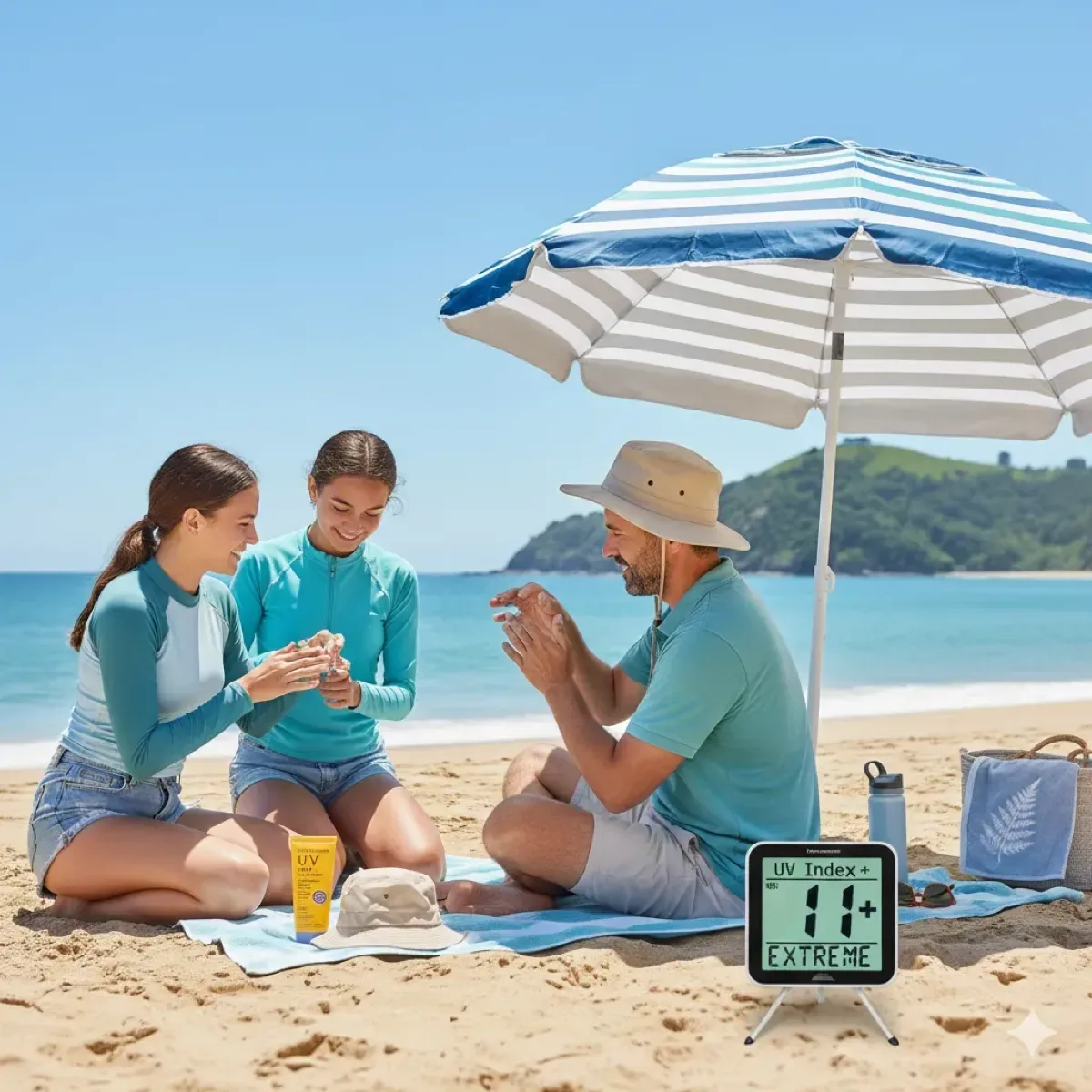
Picture this: you're at the beach on a classic Kiwi summer day, waves crashing, BBQs sizzling, and the sun beating down with that intense UV punch we all know too well. But here's the reality check—Ne...
Emma writes about health, wellbeing, and ACC topics for Lifetimes NZ. She translates complex health information into clear, actionable advice for New Zealand readers.
Picture this: you're at the beach on a classic Kiwi summer day, waves crashing, BBQs sizzling, and the sun beating down with that intense UV punch we all know too well. But here's the reality check—New Zealand's sky-high UV levels mean skipping sun protection isn't just risky; it's a fast track to skin cancer, our country's biggest cancer killer. With sunburn rates soaring among young Kiwis, it's time to get serious about sun safety NZ to protect your skin in the high-UV Kiwi summer.
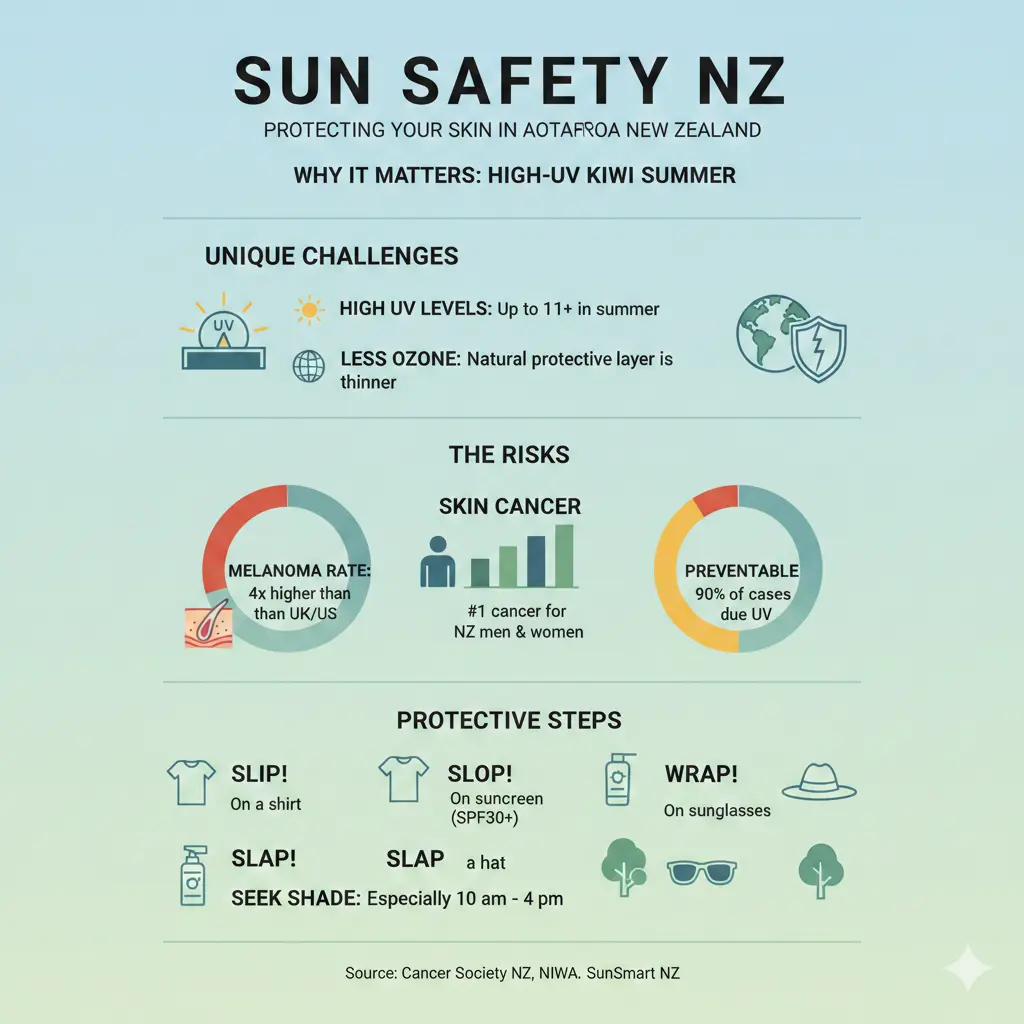
We've got some of the world's strongest UV radiation thanks to our thin ozone layer and clear skies, making skin cancer rates here three times higher than in the UK. This article breaks down practical steps, local guidelines, and why daily habits matter—especially now in 2026, after recent policy shifts. Let's dive in and arm you with actionable advice to stay safe outdoors.
Why Sun Safety Matters in Aotearoa New Zealand
New Zealand faces a skin cancer epidemic. Every year, around 90,000 cases are diagnosed, with melanoma alone claiming over 300 lives. Our location near the equator-equivalent ozone hole amps up UV exposure, even on overcast days. The 2025 National Skin Cancer Survey revealed alarming trends: over 80% of 18–24-year-olds reported sunburns, with young women hit hardest, and half admitting inconsistent protection.
UV radiation is a proven carcinogen—no safe level exists, despite WHO guidelines kicking in at UV Index 3. DNA damage starts below that, so protection is key year-round. For Kiwis who love the outdoors—think tramping in Fiordland or cricket on the domain—ignoring this ups your risk of not just cancer, but premature ageing too.
High-UV Kiwi Summer: What Makes It Different
From September to April, UV levels spike, especially 11am–4pm. In summer, our UV Index routinely hits 11–14, compared to milder global spots. Even mild winter days can burn you if you're outside long enough. Windows block most UVB but let through 37% of sneaky UVA, so drivers and office workers aren't fully safe.
Key Sun Protection Strategies for Everyday Kiwis
The Melanoma Network of New Zealand stresses a layered approach—slip, slop, slap, and more—since no single measure suffices. Here's how to make it practical for our lifestyle.
1. Slap On Broad-Spectrum Sunscreen
Choose SPF 50+ broad-spectrum, water-resistant sunscreen meeting AS/NZS 2604:2021 standards—the gold standard for manufacture and labelling in Aotearoa. Why 50+? Lab tests assume thick application; in real life, we skimp, so it builds in a safety margin. Apply 30 minutes before going out, reapply every two hours (or after swimming/sweating), using a shot glass full for an adult body.
- Pro tip: Go for mineral-based (zinc/titanium) if you have sensitive skin; they're less irritating.
- Daily use all year cuts skin cancer risk, per real-world studies.
- Stock up from chemists or supermarkets—look for the 'tested to AS/NZS 2604' label.
2. Slip Into Protective Clothing
Cover up with long-sleeve shirts, pants, and wide-brim hats (brim >7.5cm). UPF 50+ fabrics block 98% of UV. For kids at the pool or builders on site, rash vests and leggings are lifesavers.
In workplaces, organise tasks to avoid peak UV: schedule outdoor work before 11am or after 4pm.
3. Seek Shade Strategically
Shade reduces UV by 50%+, but gaps let rays bounce in—position under trees or umbrellas properly. At marae gatherings or school sports, push for fixed shade structures. Schools lag here, with insufficient coverage despite guidelines.
4. Wrap On Sunglasses and Check the UV Forecast
UV-protective sunnies shield eyes from cataracts and pterygium. Use the NIWA UV Index app or Metservice—protect when it's 3+ (or always, per Kiwi experts).
Avoid sunbeds entirely; the voluntary AS/NZS 2635:2008 standard isn't enough, and advocates call for bans.
Sun Safety in Specific Kiwi Settings
Workplaces and Outdoor Jobs
UV is a workplace hazard under Health and Safety at Work Act 2015. Business.govt.nz recommends SunSmart policies: mandatory sunscreen stations, shade breaks, and training. Builders, farmers, and fishers—organise shifts around peak hours.
Schools and Sports
Variable adherence to protocols leaves kids vulnerable. Push for 'no hat, no play' rules and shade audits. At rugby or netball, coaches should enforce hats and sunscreen.
Beaches, Bachs, and Family Outings
Pack a sun kit: SPF 50+, hats, sunnies, rashies. Reapply after swims—water-resistant lasts 40–80 minutes max.
Recent Policy Changes and What They Mean in 2026
A planned 2026 sunscreen safety Act was repealed by the coalition government, reverting to product safety standards. Sunscreens must still meet AS/NZS 2604:2021, but enforcement gaps persist. No commercial sunbed ban yet, despite calls. Local councils and Health NZ push community efforts, but individuals must step up.
Check Skin Cancer Awareness resources from Cancer Society NZ for updates.
Common Myths Busted for Kiwis
- Myth: Cloudy days are safe. Up to 80% UV penetrates clouds.
- Myth: Tan = healthy. It's skin damage.
- Myth: Darker skin protects fully. Māori and Pasifika face higher melanoma rates due to intermittent exposure.
- Myth: SPF 30 is enough. Go 50+ for real-world use.
Next Steps: Make Sun Safety Your Summer Habit
Start today: download the UV app, buy SPF 50+, and audit your wardrobe for UPF gear. Talk to whānau about no-burn rules, and advocate at work or school for shade and policies. Regular skin checks via GP or dermatologist catch issues early—book via Health NZ.
Remember, consistent habits slash your risk. Enjoy our epic Kiwi summers safely—you've got this. Disclaimer: This is general advice. Consult a healthcare professional for personalised health concerns.
Frequently Asked Questions
Sources & References
-
1
Sun safety policy implementation in Aotearoa New Zealand - PMC — pmc.ncbi.nlm.nih.gov
-
2
The Importance of Sun Protection | Skintel — skintel.co.nz
-
3
Stay safe in the sun | BRANZ Build — www.buildmagazine.org.nz
-
4
SunSmart - Workplace Policy Builder - Business.govt — wpb.business.govt.nz
-
5
New Zealand survey warns that declining sun safety habits could ... - Ausleisure — www.ausleisure.com.au
- 6
Related Articles
Mental Health Resources in NZ: Where to Get Free or Low-Cost Help
When you're struggling with your mental health, knowing where to turn for help can feel overwhelming. The good news is that New Zealand has a range of free and low-cost mental health resources availab...
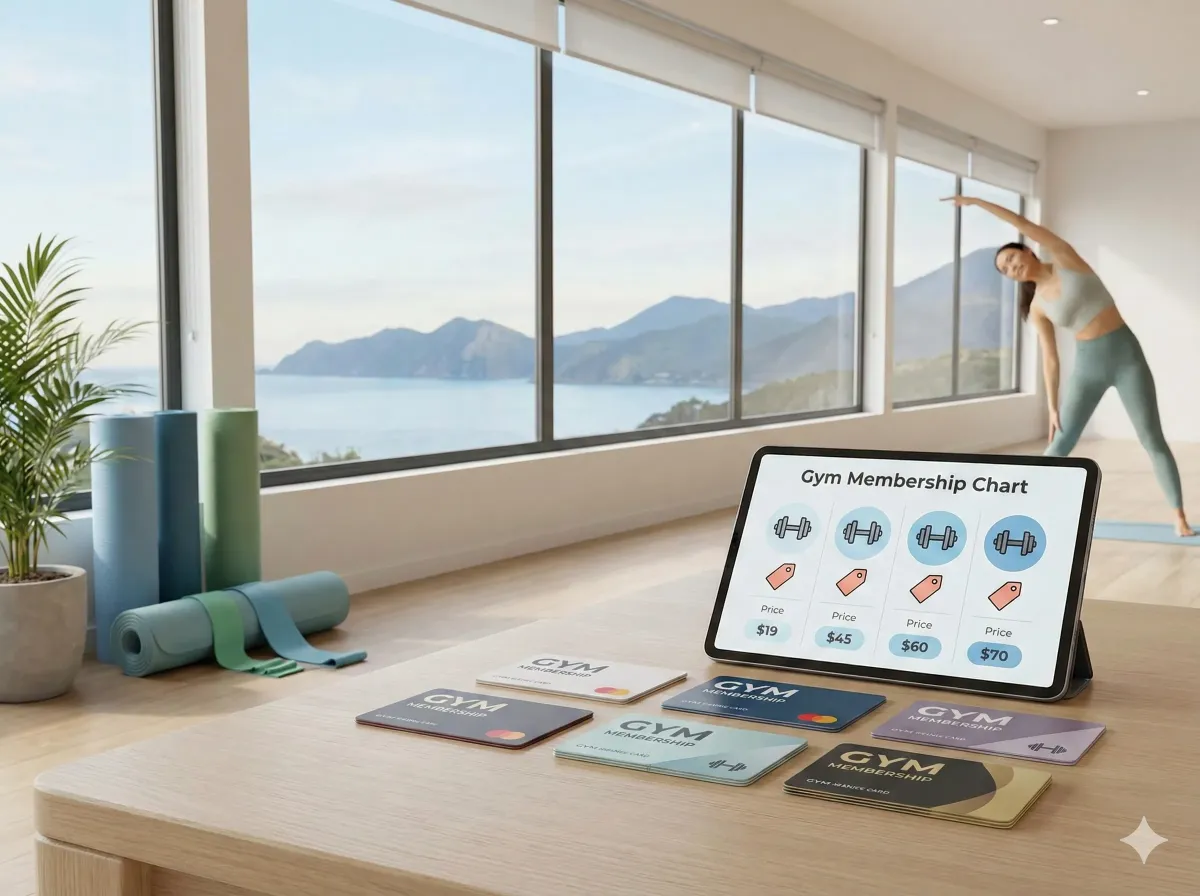
Best Gym Memberships in NZ: A Price and Feature Comparison
Whether you're a Kiwi chasing peak fitness or just dipping your toes into gym life, picking the right membership can transform your routine without breaking the bank. With chains like CityFitness, Jet...
Managing Hayfever in NZ: The Best Local Remedies for Spring
Spring in New Zealand brings blooming landscapes and outdoor adventures, but for about 1 in 5 Kiwis, it also means battling hayfever symptoms like itchy eyes, runny noses, and endless sneezing.Managin...
BMI vs. Reality: Using the Health Tools for a Better Lifestyle
Your Body Mass Index (BMI) is everywhere—your GP mentions it, insurance companies reference it, and if you're applying for publicly funded fertility treatment in New Zealand, it could determine whethe...