Mental Health Resources in NZ: Where to Get Free or Low-Cost Help
When you're struggling with your mental health, knowing where to turn for help can feel overwhelming. The good news is that New Zealand has a range of free and low-cost mental health resources availab...
Emma writes about health, wellbeing, and ACC topics for Lifetimes NZ. She translates complex health information into clear, actionable advice for New Zealand readers.
When you're struggling with your mental health, knowing where to turn for help can feel overwhelming. The good news is that New Zealand has a range of free and low-cost mental health resources available to everyone, from crisis support services to community-based wellbeing programmes. Whether you're dealing with anxiety, depression, stress, or just need someone to talk to, there's support out there—and you don't need to navigate it alone.
Understanding New Zealand's Mental Health Support System
Mental health support in Aotearoa comes in many forms. Around 100 people access crisis mental health services every day in New Zealand, yet the system can sometimes feel fragmented and difficult to navigate. The good news is that change is happening. Services are being developed and improved across the country to make it easier for whānau to find the help they need, when they need it.
New Zealand's mental health system is built on three key components: effective services, preventing mental health challenges, and promoting lifestyles that support wellbeing. This means support is available at every level—whether you're in crisis or simply want to boost your everyday wellbeing.
Free Crisis Support Services
24/7 Phone and Text Support
If you're in crisis or having thoughts of suicide, New Zealand offers round-the-clock support. The government is prioritising 24/7 phone-based crisis support to ensure everyone can access help whenever they need it. These services are free and confidential, and trained counsellors can talk you through what you're experiencing.
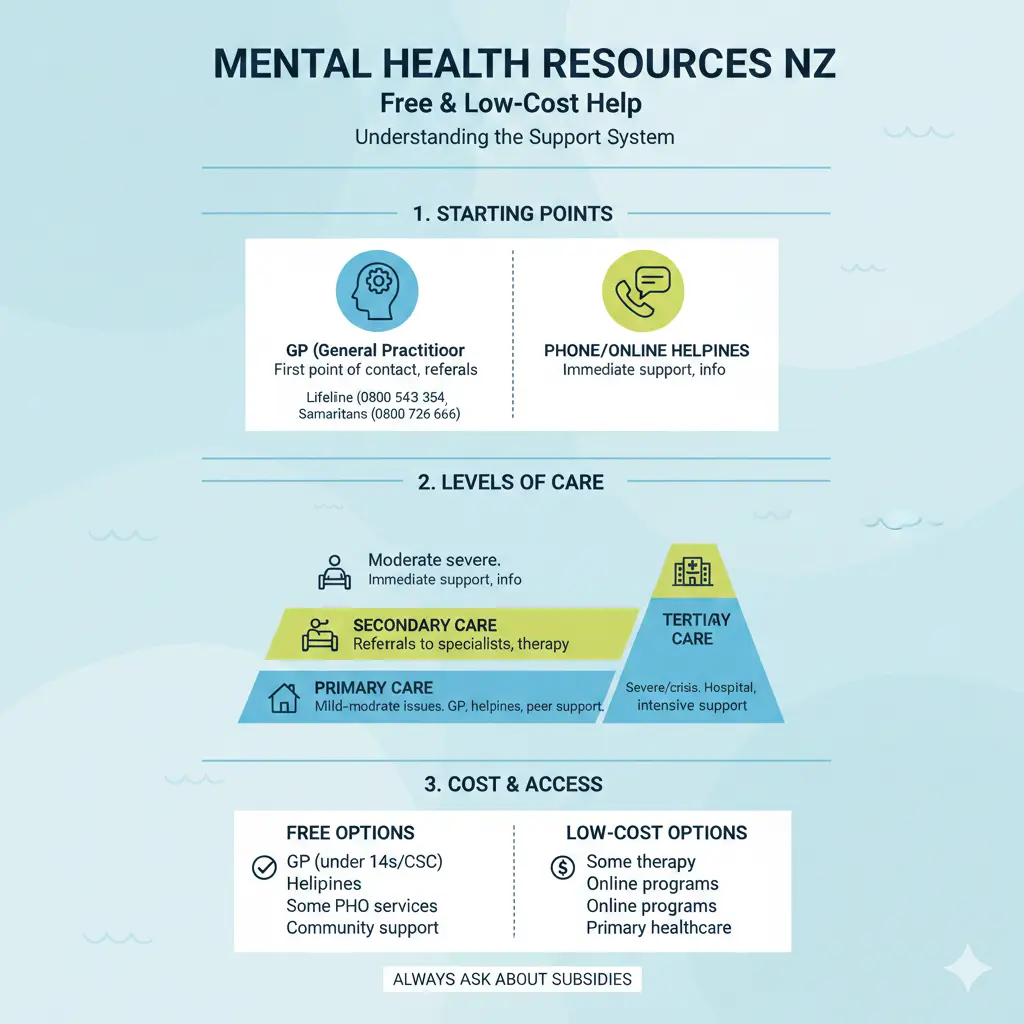
1737 - Need to talk? is available 24/7 by calling or texting 1737, free from any phone.
Samaritans offers emotional support 24/7 on 0800 726 666.
Lifeline Aotearoa provides crisis support on 0800 543 354 or through online chat.
Emergency Department Support
If you're in immediate danger or having a mental health emergency, your local emergency department is there to help. Mental health professionals work in EDs across the country to provide immediate support. The government is working to reduce the time people spend in emergency departments waiting for mental health care.
Primary Mental Health Services
Integrated Primary Mental Health and Addictions (IPMHA) Services
IPMHA services are free or low-cost mental health support available in your community. These services are designed to help people early in their mental health journey, before they need specialist care. About 80% of primary mental health support in New Zealand is delivered through IPMHA and youth-focused providers.
You can access these services through:
- Your GP or health centre
- Community mental health teams
- Counselling services in your local area
- Youth-specific mental health services (if you're under 25)
Your GP can refer you to these services, or you can often self-refer directly. Most services are free or heavily subsidised for New Zealand residents.
Youth Mental Health Support
Young New Zealanders have access to dedicated mental health services designed specifically for them. One in five young people find it hard to get the mental health support they need, so youth services are being expanded to make support more accessible. These services often use approaches that feel less clinical and more relatable for rangatahi.
Culturally Tailored Services
Kaupapa Māori Services
Te Hiringa Mahara—Mental Health and Wellbeing Commission recognises that the current system doesn't always work well for Māori, young people, or those living rurally. That's why kaupapa Māori services are available across the country, providing mental health support that's culturally appropriate and trauma-informed.
These services are delivered by kaimahi (workers) who understand te ao Māori and can provide support in te reo Māori if needed. They often incorporate whānau, hapū, and iwi perspectives into healing and recovery.
Pacific Mental Health Services
Similar to kaupapa Māori services, Pacific mental health providers deliver culturally safe support for Pacific Island communities. These services recognise the unique experiences and needs of Pacific whānau in New Zealand.
Community-Based Wellbeing Programmes
Peer Support Services
Peer support is a powerful form of mental health help. Services staffed by people with lived experience of mental health challenges are available across the country. These workers understand what you're going through and can offer genuine support without the clinical distance of traditional services.
Peer support might happen in:
- Crisis cafés—welcoming spaces where you can drop in for support
- Peer-led support groups
- One-on-one peer mentoring
- Community whānau-style gatherings
Mental Health Awareness Week
Every year, Mental Health Awareness Week brings communities together to focus on wellbeing. The 2025 theme was "Top Up Together", highlighting the importance of maintaining and boosting our mental health as a community. During this time, organisations across New Zealand run free events, workshops, and activities to support mental wellbeing.
Frequently Asked Questions
Sources & References
-
1
[3] — www.tewhatuora.govt.nz
-
2
sleep — lifetimes.co.nz
-
3
Call for a National Mental Health Crisis System — www.mhwc.govt.nz
-
4
Briefing to the 54th New Zealand Parliament 2023-2026 — mentalhealth.org.nz
-
5
Mental Health and Addiction Targets Performance Resources 2025-26 — www.tewhatuora.govt.nz
-
6
Mental Health Awareness Week — mhaw.nz
-
7
Mental Health Foundation: Home — mentalhealth.org.nz
-
8
Find ways to TOP UP | Mental Health Foundation | Health NZ — www.topupwellbeing.nz
-
9
Update: Mental Health and Wellbeing Strategy — www.health.govt.nz
Related Articles
Sun Safety NZ: Protecting Your Skin in the High-UV Kiwi Summer
Picture this: you're at the beach on a classic Kiwi summer day, waves crashing, BBQs sizzling, and the sun beating down with that intense UV punch we all know too well. But here's the reality check—Ne...
Best Gym Memberships in NZ: A Price and Feature Comparison
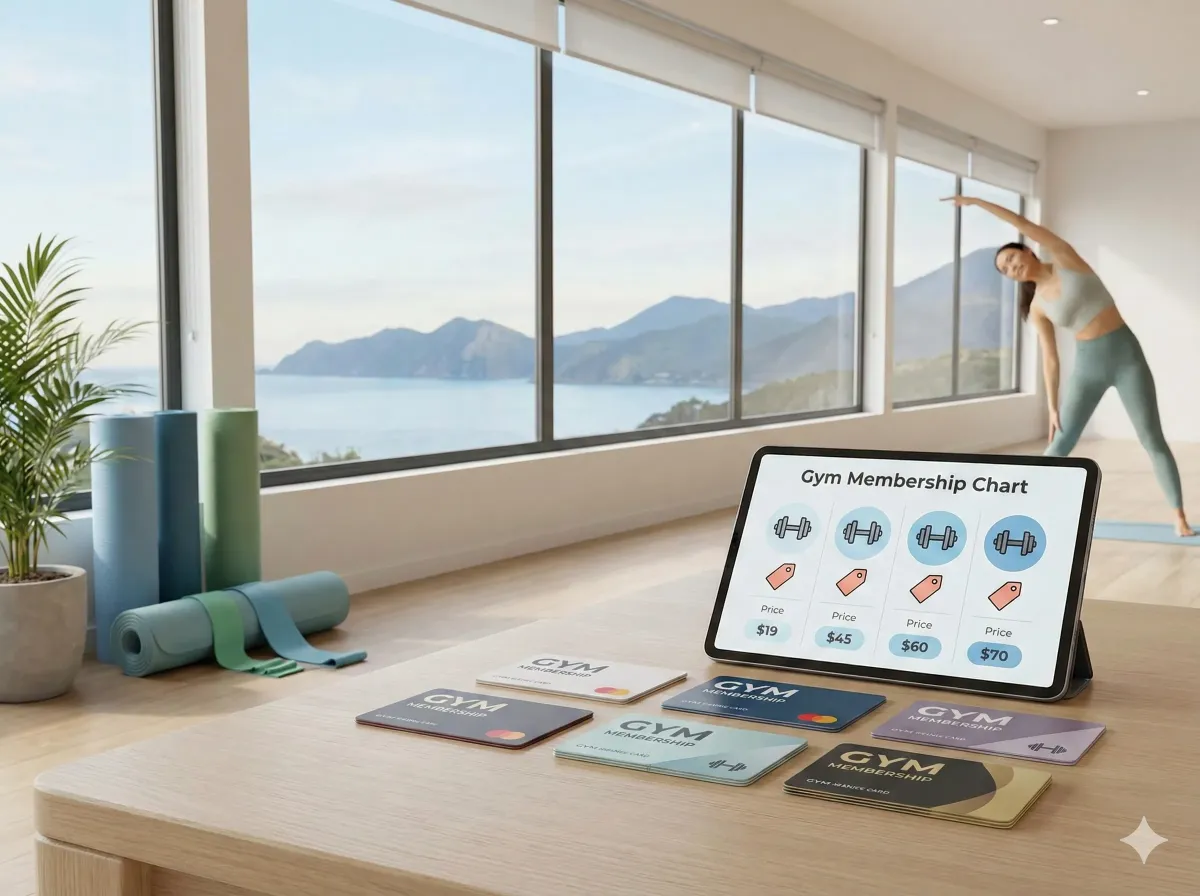
Whether you're a Kiwi chasing peak fitness or just dipping your toes into gym life, picking the right membership can transform your routine without breaking the bank. With chains like CityFitness, Jet...

Managing Hayfever in NZ: The Best Local Remedies for Spring
Spring in New Zealand brings blooming landscapes and outdoor adventures, but for about 1 in 5 Kiwis, it also means battling hayfever symptoms like itchy eyes, runny noses, and endless sneezing.Managin...

BMI vs. Reality: Using the Health Tools for a Better Lifestyle
Your Body Mass Index (BMI) is everywhere—your GP mentions it, insurance companies reference it, and if you're applying for publicly funded fertility treatment in New Zealand, it could determine whethe...