Common Mistakes Tourists Make in New Zealand (and How to Avoid Them)

Ever spotted a tourist lost on a one-lane bridge or slathering on sunscreen too late after a Fiordland hike? As Kiwis, we've seen it all – from overpacked campers scraping corners to freedom campers c...
The Lifetimes NZ editorial team curates, fact-checks, and updates guides on personal finance, property, health, immigration, legal, business, and lifestyle topics relevant to Lifetimes NZ readers. Articles are produced with AI assistance and reviewed by the editorial team before publication.
Ever spotted a tourist lost on a one-lane bridge or slathering on sunscreen too late after a Fiordland hike? As Kiwis, we've seen it all – from overpacked campers scraping corners to freedom campers copping fines for dodgy spots. Spotting these common mistakes tourists make in New Zealand lets us share the local know-how to help them – and maybe save you a yarn at the next family barbecue.
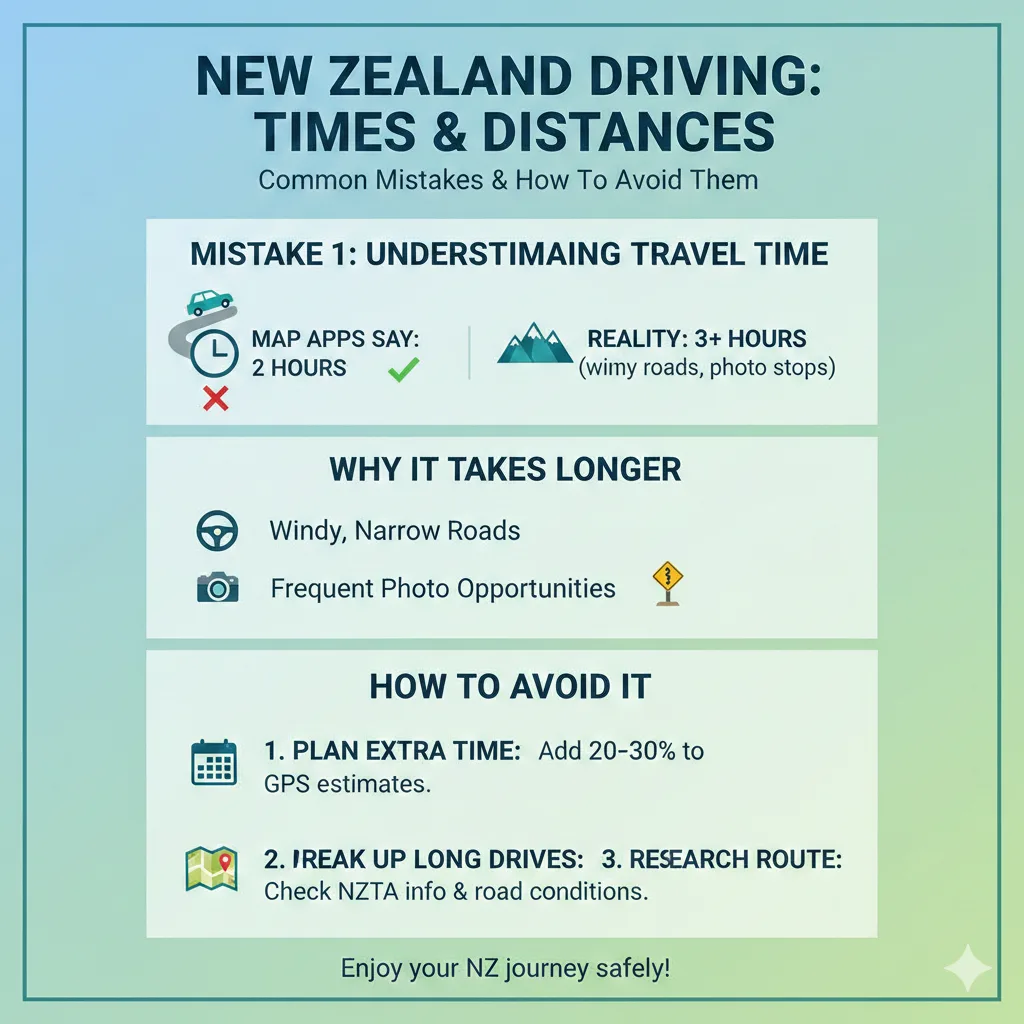
Underestimating New Zealand's Driving Times and Distances
Tourists often glance at Google Maps, see 200km between Auckland and Rotorua, and reckon it's a quick jaunt. Reality check: our narrow, winding roads – think State Highway 94 to Milford Sound – mean you'll average far less than 100km/h, with mountains, sheep, and one-way bridges slowing you down.
How to Avoid It
- Add 20-25% extra time to estimates. A "3-hour" drive? Plan for 4, including stops for flat whites and photos.
- Use apps like AA Route Planner or NZTA's journey planner for real Kiwi road times.
- Drive defensively at dawn and dusk when wildlife is active – keas and possums don't yield.
In 2026, with tourism rebounding post any disruptions, queues at holiday parks add up too. Kiwi tip: If you're not confident behind the wheel of a campervan – those beasts are massive – opt for shuttles or InterCity buses.
Skipping Advance Bookings in Peak Season
December to February, our summer peaks, and Queenstown beds or Milford Sound cruises vanish faster than ice on a hot pie. Tourists rock up expecting availability, only to sleep in airports or pay premium "walk-in" rates. Hobbiton tours? Book months ahead – no walk-ins since guided-only rules kicked in.
Smart Booking Strategies
- Secure flights after nailing your itinerary – don't lock in airfares first.
- Reserve rentals, ferries (Interislander or Bluebridge), and Great Walks huts via DOC (Department of Conservation) six months out.
- Check refund policies for weather-dependent spots like Franz Josef heli-hikes – clouds cancel more than you'd think.
Pro move: Use Bookme.co.nz for discounted tours, but still book early in 2026's busy season.
Packing Wrong for Our Four Seasons in One Day
Visitors pack shorts for "summer" and freeze on a Tongariro Crossing, or overload with fancy gear when jandals and hiking boots rule even posh Queenstown eateries. Don't forget our UV index – even on mild days, it bites harder due to the ozone hole.
Packing Essentials List
- Layer up: Merino base, fleece mid, rain jacket outer – weather flips fast.
- Sunscreen (SPF50+), hat, sunnies – reapply every 2 hours.
- Sturdy tramping shoes, insect repellent for sandflies (those Fiordland terrors swarm at dusk).
- Pack light – laundromats are everywhere, and campervans hate excess weight.
- Certified self-contained gear if freedom camping to dodge fines.
For 2026, grab a Farmers or Kathmandu checklist – they're tuned to our changeable climes.
Ignoring Nature Rules and Freedom Camping Fines
Our taonga – natural treasures – demand respect. Tourists feed kea parrots (endangered and cheeky), litter tracks, or park campervans anywhere, copping $200+ fines under the Freedom Camping Act. DOC rangers patrol hot spots like Coromandel and Abel Tasman.
Leave No Trace Tips
- Pack out all rubbish – use Rankers or CamperMate apps for bins and legal sites.
- Stick to tracks; no shortcuts in national parks.
- Self-contained vehicles only for overnighting off-reserve – check DOC's rules.
In 2026, with eco-tourism pushes, fines are stricter – help keep Aotearoa pristine.
Not Budgeting for High Costs or Jetlag Recovery
New Zealand ain't cheap – expect $200+ nights in hostels during peaks, plus fuel at $2.80/L. Tourists underspend time too, cramming both islands in under 2 weeks, missing the magic. Jetlag from the US? It hits hard over the International Date Line.
Budget and Recovery Hacks
- Budget $150-250/day per person excluding flights – use KiwiSaver mindset for savings.
- Stay longer: 3 weeks minimum for both islands.
- Beat jetlag: Hydrate, expose to daylight early, nap short.
- Get an eSIM (Holafly or Airalo) for connectivity – AT&T passes add up, and dead zones lurk off-grid.
Visa woes? Apply via Immigration NZ early – NZeTA for most, watch for rejections.
Not Checking Schedules or Chasing Unreliable Sights
"Island time" closes Waiheke wineries by 5pm, or tourists book non-refundable stargazing in cloudy Tekapo. Rotorua's sulphur whiff surprises some into early exits.
Planning Fixes
- Verify hours on official sites – ferries, attractions vary.
- Skip rigid aurora or weather chases; flex your itinerary.
- Base in vibrant spots like Christchurch over quiet ones if sulphur's not your vibe.
FAQ: Common Tourist Queries
Do I need an international driving permit in New Zealand? Most countries' licences work for up to 12 months, but get an IDP for safety – check NZTA.
Is freedom camping free? Yes in designated spots, but fines apply elsewhere – use apps to stay legal.
How bad are sandflies? Brutal in Fiords – DEET and cover-up are musts.
Can I see both islands in 10 days? No – pick one or you'll rush and miss out.
What's the best time to visit in 2026? Shoulder seasons (Oct-Nov, Mar-Apr) for fewer crowds, milder weather.
Do I need travel insurance? Absolutely – covers our adventure risks; check Southern Cross or ACC visitor cover.
Next Steps for Epic Kiwi Adventures
Chat these tips with visiting mates over a craft beer, or pin this for your own roadie. Download CamperMate, check DOC bookings, and pack smart – you'll dodge the pitfalls and uncover the real magic of our backyard. Safe travels, and remember: she’ll be right if you plan right.
Related Articles
Understanding New Zealand’s Biosecurity Rules: What You Can and Can’t Bring In
New Zealand's biosecurity system is one of the world's strictest, designed to protect our unique ecosystem and $61.4 billion food and fibre export industry[1]. Whether you're returning home from overs...

New Zealand Travel Insurance: What You Need and How to Choose a Policy
Picture this: You're hiking the Tongariro Crossing, marvelling at New Zealand's stunning volcanic landscapes, when a sudden twist of an ankle leaves you needing urgent medical care. Without the right...
Travelling New Zealand with a Disability: Accessible Transport, Stays and Activities
New Zealand's breathtaking landscapes and adventure spirit are open to everyone, including Kiwis and visitors with disabilities. Whether you're dreaming of gliding over Queenstown on a zipline or soak...
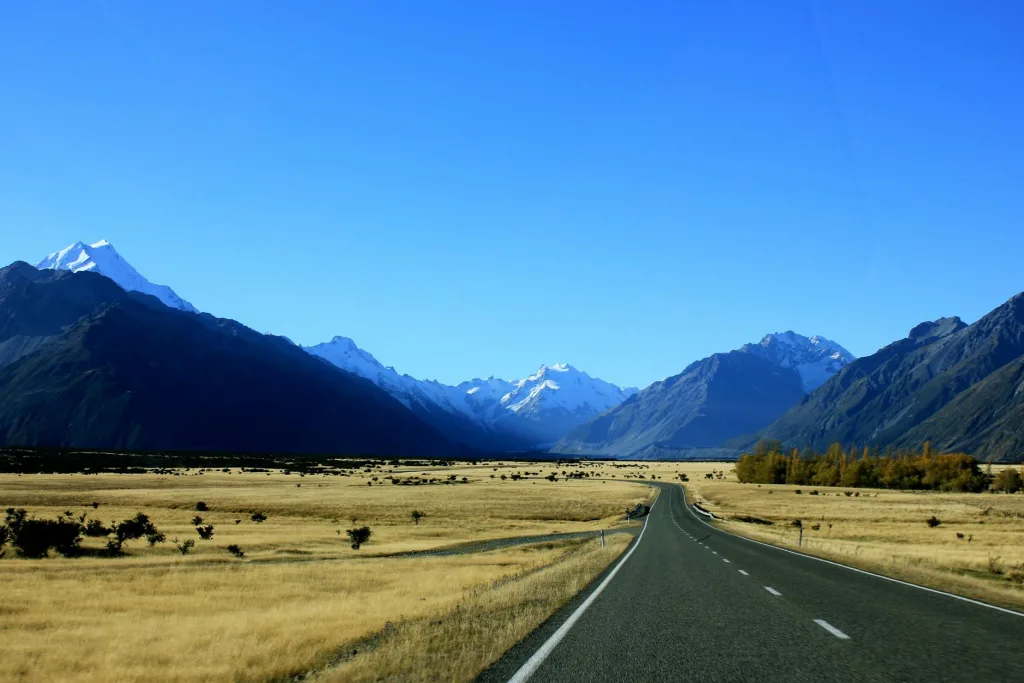
Driving in New Zealand: Road Rules, Safety Tips and Scenic Routes for Visitors
Whether you're a Kiwi heading out on a road trip across the North Island or showing visitors around the stunning South Island, knowing the ins and outs of driving in New Zealand keeps everyone safe an...