Understanding New Zealand’s Biosecurity Rules: What You Can and Can’t Bring In

New Zealand's biosecurity system is one of the world's strictest, designed to protect our unique ecosystem and $61.4 billion food and fibre export industry[1]. Whether you're returning home from overs...
The Lifetimes NZ editorial team curates, fact-checks, and updates guides on personal finance, property, health, immigration, legal, business, and lifestyle topics relevant to Lifetimes NZ readers. Articles are produced with AI assistance and reviewed by the editorial team before publication.
New Zealand's biosecurity system is one of the world's strictest, designed to protect our unique ecosystem and $61.4 billion food and fibre export industry. Whether you're returning home from overseas, arriving as a visitor, or sending goods internationally, understanding what you can and can't bring into the country is essential. Get it wrong, and you could face hefty fines—but declaring items costs nothing and takes just minutes.
Why New Zealand Takes Biosecurity So Seriously
Our isolation has created a unique environment with plants and animals found nowhere else on Earth. Invasive pests and diseases pose a genuine threat to agriculture, the environment, and our economy. That's why the Ministry for Primary Industries (MPI) enforces strict biosecurity rules at every entry point.
The stakes are real. Biosecurity threats are growing in scale and complexity, with increasing pressure from both new and established pests and diseases. New Zealand's biosecurity system action plan, released in July 2025, outlines how we'll strengthen protections over the coming years.
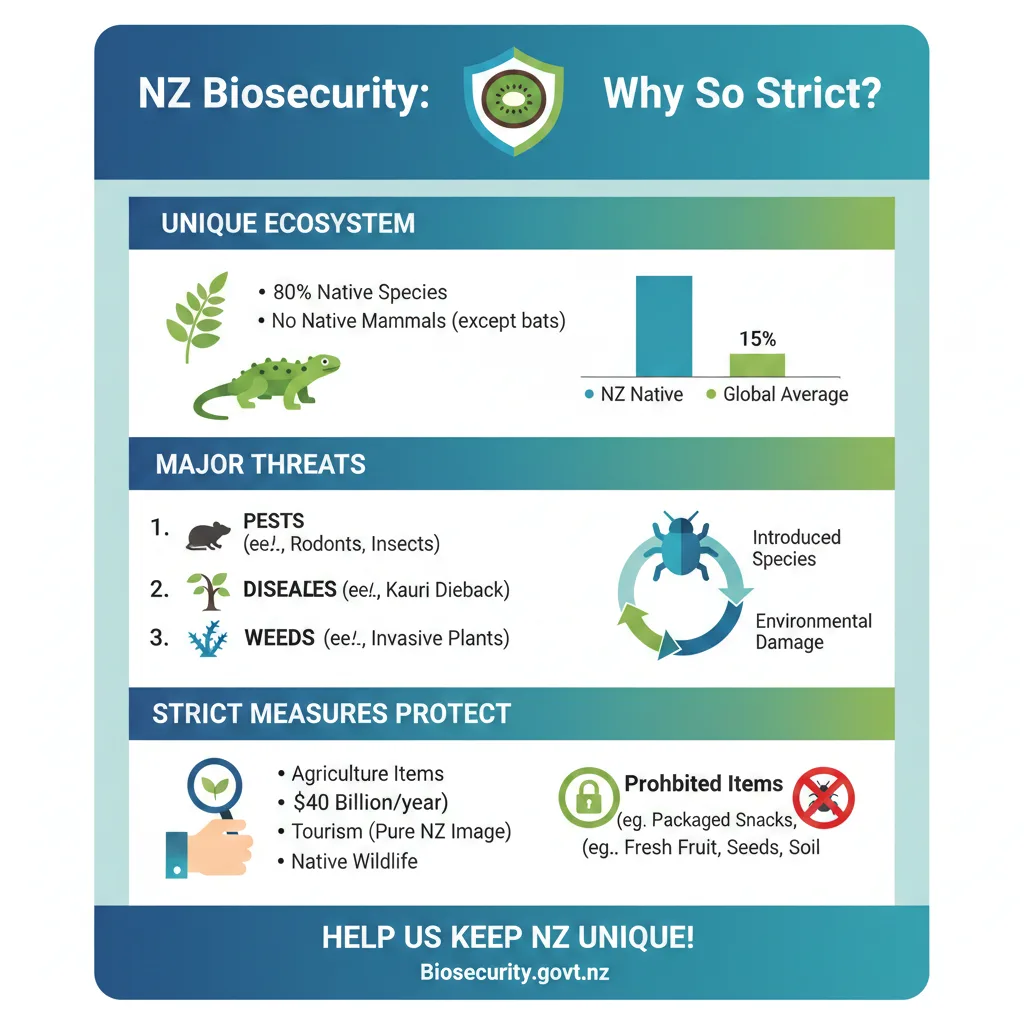
What You Cannot Bring Into New Zealand
Certain items are prohibited entirely and cannot enter New Zealand under any circumstances. These include:
- Fresh fruit and vegetables (with very limited exceptions)
- Meat and animal products (including cured meats, dairy, and eggs)
- Seeds and plants
- Soil and untreated wood products
- Certain animal products like furs and feathers
The complete list of prohibited items is extensive, and rules can change. Always check the MPI website before you travel or import goods.
What You Must Declare
Many items aren't prohibited but must be declared on arrival. This is where most travellers run into trouble. If you're unsure whether something needs declaring, the safest approach is always to declare it.
Common Items That Require Declaration
- Food items: Sandwiches, biscuits, chocolate, nuts, trail mix, herbal tea, honey
- Plant material: Flowers, dried plants, wooden souvenirs
- Outdoor gear: Hiking boots, camping equipment, fishing tackle (even if clean)
- Animal products: Leather goods, wool, bone, shells
- Soil and sand: On shoes, clothing, or equipment
Here's the important bit: declaring an item costs you nothing. A biosecurity officer will inspect it and either clear it or dispose of it free of charge. No fine, no hassle—just a brief checkpoint inspection.
The NZ Traveller Declaration Form
All arriving passengers must complete the New Zealand Traveller Declaration (NZTD) before reaching the biosecurity checkpoint. Think of it as a protection mechanism, not a confession form.
When you answer "yes" to any biosecurity category, you're simply triggering a brief inspection. Officers assess whether your item is permitted, needs treatment, or must be disposed of. The critical mindset shift: declaring something doesn't mean you'll face consequences—it means you're being honest and giving officers a chance to help you comply.
Penalties for Non-Declaration
Standard Infringement Fine
If you fail to declare a biosecurity risk item, you'll face an instant infringement notice. Recent changes to New Zealand's biosecurity laws, effective in 2026, introduced a two-tiered approach:
- $800 fine for undeclared high-risk goods such as fresh fruit and meat
- $400 fine for undeclared other goods
These fines operate on strict liability, meaning your intent doesn't matter. Forgetting to declare counts the same as deliberately hiding something.
Serious Offences
Penalties escalate significantly for intentional concealment. Wrapping food in clothing or hiding items in equipment can trigger prosecution with fines up to $100,000. Repeat offenders face escalated enforcement and potential complications on future visits.
The Government has also introduced new penalties designed to deter behaviour that puts New Zealand at risk, including fines of up to $500,000 for serious biosecurity offences.
Smart Strategies: How to Avoid Fines
Use Amnesty Bins
All major New Zealand airports have amnesty bins located before the biosecurity checkpoint. You can anonymously dispose of any risk items without penalty. This is genuinely your best friend if you're unsure about what you're carrying.
Clean Your Gear
Thoroughly clean hiking boots, camping equipment, and outdoor gear before arrival. Even dried soil or plant material can trigger declarations.
Pack Smart
Leave questionable food items at home or consume them before arrival. It's not worth the risk, especially for fresh produce or meat products.
When in Doubt, Declare
If you're unsure whether trail mix or herbal tea qualifies as a biosecurity risk, declare it. The worst-case scenario is a 3-minute inspection.
Biosecurity Rules for Importers and Exporters
If you're importing goods or exporting New Zealand products, biosecurity rules are equally strict. For example, exporters to Australia and New Zealand must comply with Brown Marmorated Stink Bug (BMSB) management measures during the seasonal control period (1 September to 30 April).
Non-compliance can result in delays, costly onshore treatments, or shipments being refused and re-exported. The Government is also making import rules more efficient by allowing risk assessments to be tailored to specific scenarios, enabling higher trade volumes without lowering biosecurity standards.
Frequently Asked Questions
Can I bring a single apple into New Zealand?
No. Fresh fruit is prohibited. An undeclared apple could cost you $400 (or $800 if it's considered high-risk). However, you can declare it at the biosecurity checkpoint and it will be disposed of at no cost.
What about dried or packaged food?
Packaged, processed foods are generally allowed, but items like trail mix, nuts, and herbal tea must be declared. Biosecurity officers will assess each item individually.
Do I need to clean my hiking boots?
Yes. Thoroughly clean outdoor gear, including boots, before arrival. Even dried soil can trigger biosecurity concerns.
What happens if I declare something but it's not allowed?
Nothing. The officer will simply dispose of it free of charge. No fine, no penalty.
Are there exceptions for personal or cultural items?
Some items may have exceptions depending on their origin and condition, but these are assessed case-by-case at the border. Always declare if you're unsure.
Where can I find the complete list of prohibited items?
Visit the Ministry for Primary Industries website or check the Govt.nz guide on bringing things into New Zealand for the most current information.
Looking Ahead: Changes to New Zealand's Biosecurity System
New Zealand's biosecurity system is evolving. The Government released a comprehensive biosecurity system action plan in July 2025, with significant improvements expected by 2030. Immediate priorities include setting clearer expectations, improving data management, and establishing better training tools.
These changes are designed to make the system more efficient while maintaining the high standards that protect our unique environment and economy.
Your Next Steps
Before you travel or import goods:
- Visit the MPI website to check current biosecurity rules
- Complete your New Zealand Traveller Declaration honestly and thoroughly
- Clean outdoor gear and pack strategically
- Remember: declaring items costs nothing; fines for non-declaration start at $400
- Use amnesty bins if you're unsure about what you're carrying
New Zealand's biosecurity rules might seem strict, but they're in place to protect our environment, agriculture, and the $61.4 billion export industry that supports our economy. By understanding the rules and declaring what you need to, you'll breeze through biosecurity checkpoints and do your part in keeping New Zealand secure.
Related Articles

Common Mistakes Tourists Make in New Zealand (and How to Avoid Them)
Ever spotted a tourist lost on a one-lane bridge or slathering on sunscreen too late after a Fiordland hike? As Kiwis, we've seen it all – from overpacked campers scraping corners to freedom campers c...

New Zealand Travel Insurance: What You Need and How to Choose a Policy
Picture this: You're hiking the Tongariro Crossing, marvelling at New Zealand's stunning volcanic landscapes, when a sudden twist of an ankle leaves you needing urgent medical care. Without the right...
Travelling New Zealand with a Disability: Accessible Transport, Stays and Activities
New Zealand's breathtaking landscapes and adventure spirit are open to everyone, including Kiwis and visitors with disabilities. Whether you're dreaming of gliding over Queenstown on a zipline or soak...
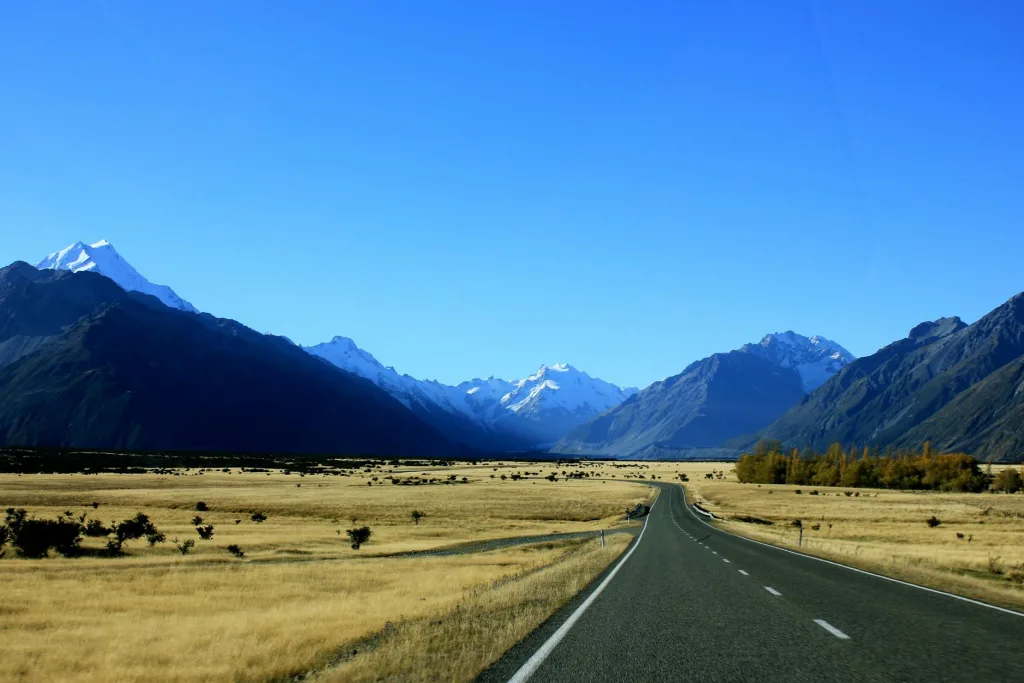
Driving in New Zealand: Road Rules, Safety Tips and Scenic Routes for Visitors
Whether you're a Kiwi heading out on a road trip across the North Island or showing visitors around the stunning South Island, knowing the ins and outs of driving in New Zealand keeps everyone safe an...