Electric Cars in NZ 2025: Are They Worth It?
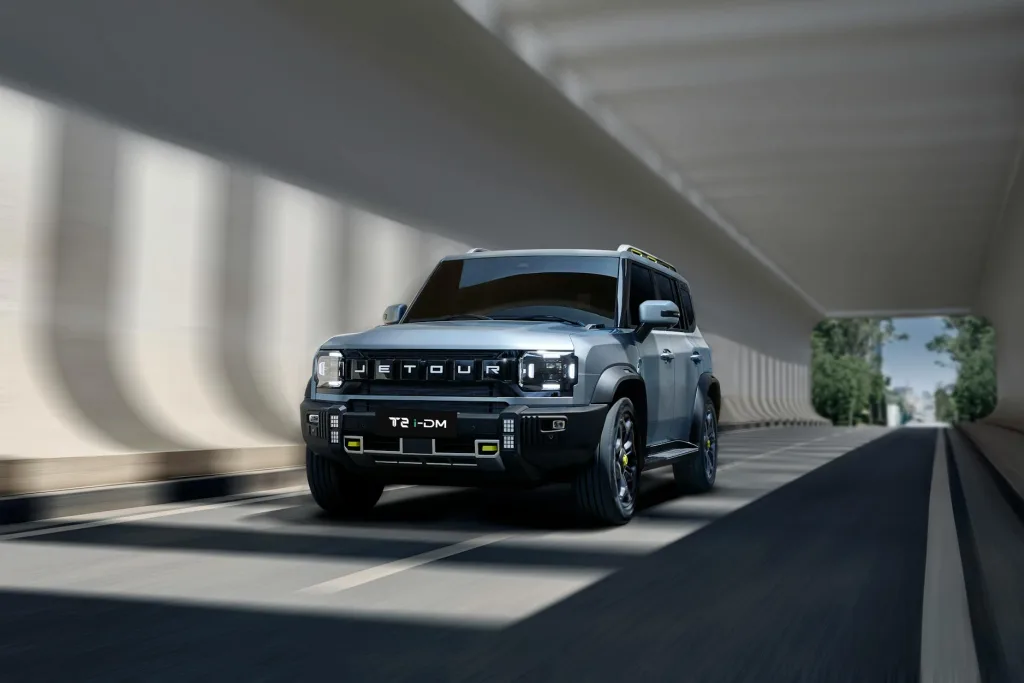
Imagine cruising down State Highway 1 from Auckland to Wellington without stopping for fuel, powering up overnight at home for pennies per kilometre, and dodging road user charges altogether. That's t...
Tom covers travel, lifestyle, and cost-of-living topics across New Zealand. He writes practical guides on transport, day trips, outdoor activities, and everyday life in Aotearoa.
Imagine cruising down State Highway 1 from Auckland to Wellington without stopping for fuel, powering up overnight at home for pennies per kilometre, and dodging road user charges altogether. That's the promise of electric cars in New Zealand in 2025—but is it reality for Kiwi drivers? With EV numbers climbing and infrastructure expanding, let's dive into whether switching to electric makes sense for you right now.
EV Adoption in New Zealand: The Numbers Tell the Story
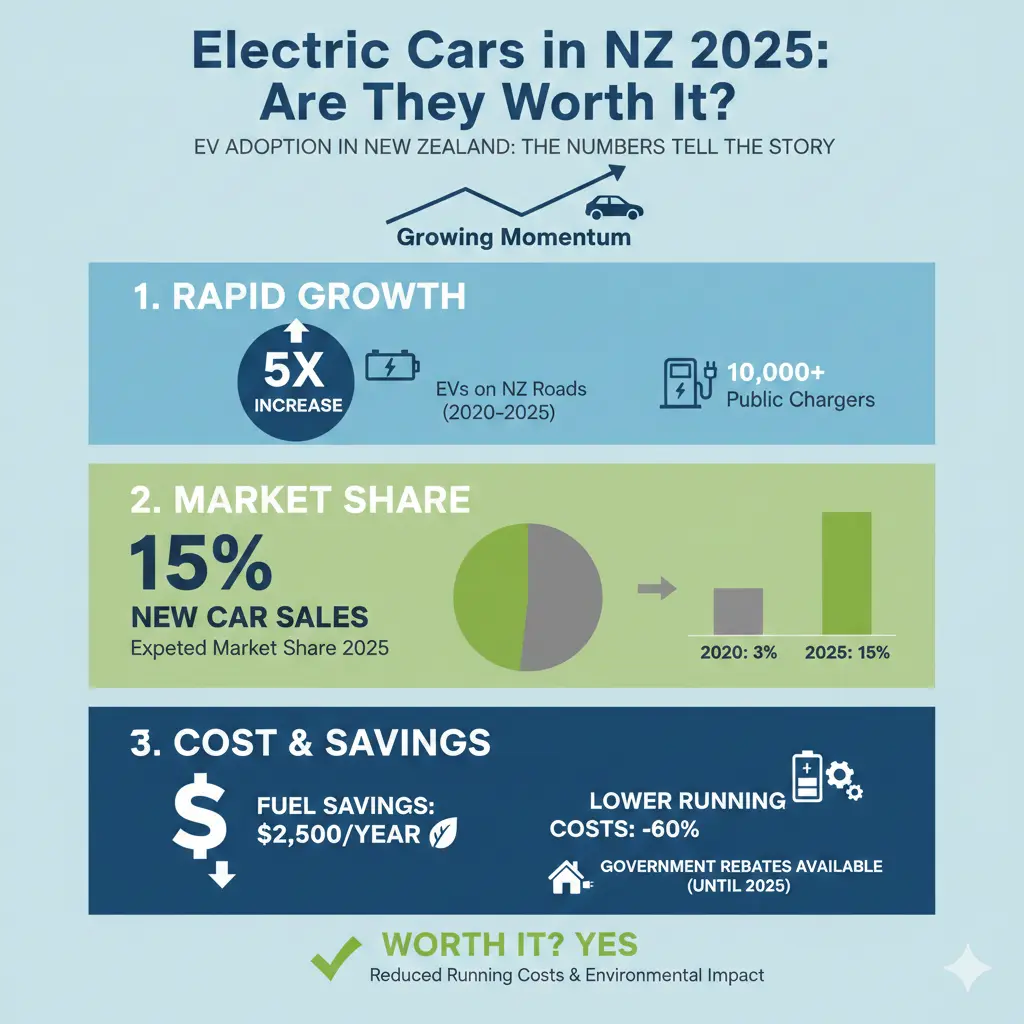
New Zealand's shift to electric vehicles (EVs) has gained momentum, though it's not without bumps. By December 2024, there were 83,806 battery electric vehicles (BEVs) registered, up from just 16,791 in June 2020. Plug-in hybrids (PHEVs) reached 35,203 by the same date, showing strong interest in electrified options.
Heading into 2025 and 2026, the market shows mixed signals. BEV sales in Q1 and Q2 2025 outperformed 2024, but Q3 dipped slightly. Year-to-date into 2026, PHEV sales match BEVs, with hybrids dominating at 33.1% market share (up from 28.1% in 2024). Electrified vehicles hold about 45% of new light vehicle sales since late 2024. Overall, fully electric light vehicles number around 86,500, making up 1.92% of the 4.4 million light vehicle fleet, while PHEVs add another 0.9% for a total EV share of 2.81%.
In 2024, new vehicle sales fell 20.8% to 87,435 units, with EVs grabbing a 15% share despite a 27.6% sales drop to 12,155. By 2025, BEVs held a steady 5.6% market share with 7,706 sales, a modest 0.4% growth. Transport accounts for 21% of our carbon emissions, mostly from light vehicles, so hitting 50% EV sales by decade's end is key to targets—requiring a leap from 6,000 in 2020 to 150,000 annually.
Why the Slowdown? High Costs and Incentives Matter
High purchase prices and fading incentives like the Clean Car Discount (scrapped in 2024) have cooled demand. Yet consumer confidence is at record highs, per EECA surveys since 2016. If all light vehicles went electric, electricity demand would rise 20%—manageable with off-peak charging and our renewable grid.
Top Electric Car Models Available in NZ 2025
Choosing an EV in New Zealand means matching range, price, and lifestyle. Popular picks include affordable hatches, family SUVs, and utes. Here's a rundown of top models based on 2025 sales and availability:
- Tesla Model Y: Kiwi favourite for its 510km WLTP range, fast Supercharging, and tech. Starts around $70,000.
- MG4: Budget champ at $45,000–$55,000, 350–450km range, zippy performance.
- BYD Atto 3: Spacious SUV with 420km range, from $48,000. Strong sales leader.
- Hyundai Kona Electric: Compact SUV, 420km range, premium feel from $60,000.
- LDV eT60: NZ's electric ute option, 330km range, ideal for tradies.
Compare specs at EVDB.nz for real-world range and running costs tailored to Kiwi roads. For utes and vans, options like the Ford F-150 Lightning are emerging, but check NZTA approvals.
BEV vs PHEV: Which Suits Kiwi Lifestyles?
Pure BEVs shine for city commutes and home charging, while PHEVs offer petrol backup for long trips. In 2025, PHEVs surged 138.4% year-on-year, matching BEV volumes. Families love PHEVs like the Mitsubishi Outlander for school runs; adventurers pick BEVs like the Kia EV6 for road trips.
Charging Infrastructure: Is NZ Ready in 2025?
We've come far from sparse chargers. By 2025, over 3,000 public points dot NZ, with ChargeNet and Tesla Superchargers leading. Major highways like SH1 have 50kW+ stations every 100km, and apps like PlugShare make planning easy.
Home and Work Charging: The Game-Changer
90% of Kiwis can charge at home on a standard 230V outlet (8–12 hours full charge) or install a 7kW wallbox for $1,000–$2,000 (EECA rebates available). Workplaces increasingly offer free 22kW chargers. For apartments, shared stations are growing in Auckland and Christchurch.
Tip: Use off-peak tariffs from Genesis or Meridian (as low as 20c/kWh nights) to slash costs. Public DC fast chargers hit $0.50–$0.80/kWh.
Running Costs: Where EVs Crush Petrol in NZ
Electricity at 25c/kWh means 3–5c/km running costs vs 20–30c/km for petrol. No RUC (Road User Charges) for light EVs under 3.5 tonnes saves $76/1,000km annually. Regos are cheaper too—$36.99 base for EVs vs $76+ for petrol.
Real Kiwi Savings Breakdown
| Cost Type | Petrol Car (e.g. Toyota Corolla) | EV (e.g. MG4) | Annual Savings (15,000km) |
|---|---|---|---|
| Fuel/Electricity | $3,000 | $600 | $2,400 |
| RUC/Rego | $1,200 | $200 | $1,000 |
| Maintenance | $800 | $300 | $500 |
| Total | $5,000 | $1,100 | $3,900 |
Figures based on 2025 averages; use EVDB's calculator for your model. Tyres and insurance may match petrol cars, but brakes last longer due to regen.
Clean Car Discount: What's Left in 2025?
The Clean Car Discount ended April 2024, removing up to $8,625 rebates for new EVs and $3,450 for used imports. 'Feebate' fees on high emitters are gone too. Now, focus on low-interest green loans via banks or EECA's Low Emissions Vehicle Loan (up to $30,000 at 5–7%). Kiwisaver providers like Generate offer EV top-ups. Check ird.govt.nz for any tax perks on company EVs.
Are EVs Worth It for You in NZ 2025?
Pros for Kiwi Drivers
- Lower lifetime costs: Payback in 3–5 years for most.
- Green credentials: Zero tailpipe emissions, aiding our Paris targets.
- Drive feel: Silent, torque-y acceleration beats most petrols.
- Home charging convenience: Wake to full battery.
Cons and Hurdles
- Upfront cost: $45k+ vs $30k petrol equivalents.
- Range anxiety on rural roads (though improving).
- Battery life: 8–10 years warranty standard, but replacement $10k+.
- Resale: Strong now, but fleet saturation could soften.
For urban Kiwis under 200km/day with off-street parking, yes—EVs are a no-brainer. Rural drivers? Consider PHEVs or wait for better utes.
Practical Tips for Buying an EV in NZ
- Test drive via dealers like Armstrong's or EV specialists.
- Calculate total ownership costs on evdb.nz.
- Check PlugShare for local chargers.
- Finance via Gilrose or Toyota Finance green rates.
- Sell privately or via Trade Me for best price.
Frequently Asked Questions
Electric cars in NZ 2025 offer massive savings and a smoother drive, especially if you charge at home. Crunch your numbers, test drive a few, and consider a PHEV bridge if range worries you. Visit evdb.nz or eeca.govt.nz to get started—your wallet and the planet will thank you.
Sources & References
- 1
-
2
EV Market Stats (2026) - EVDB NZ — evdb.nz
-
3
Electric vehicle trends and insights in Aotearoa | EECA — www.eeca.govt.nz
-
4
New Zealand vehicles sales - Data & Facts 2024 - Focus2Move — www.focus2move.com
-
5
Electric Vehicles - New Zealand | Statista Market Forecast — www.statista.com
-
6
Fleet statistics Ngā tatauranga ā-kahupapa - Ministry of Transport — www.transport.govt.nz
-
7
What are New Zealand's top EVs and PHEVs right now? The numbers are in - Driven Car Guide — www.drivencarguide.co.nz
- 8
Related Articles

What is My Car Worth? How to Price Your Vehicle for a Fast Sale
Ever wondered what is my car worth? Whether you're eyeing up a trade-in, planning a private sale, or just curious about your pride and joy's value in today's market, getting the price right is key to...
Buying a Used Car in NZ: The Ultimate Pre-Purchase Checklist
Thinking about snagging a bargain on the second-hand market? In New Zealand, where Kiwi roads are full of trusty used cars, getting it right can save you thousands and keep you safe on the motorways f...
Electric Vehicles in NZ: Is 2026 Finally the Year to Switch?
Picture this: you're cruising down State Highway 1 from Auckland to Wellington, no fuel stops needed, just the hum of electric motors and stunning Kiwi scenery whizzing by. With battery tech leaping f...

The Best Used Cars for New NZ Drivers
Starting out on New Zealand's roads as a new driver is exciting, but picking the right used car can make all the difference between smooth journeys and unexpected headaches. With rising fuel costs, st...