Comparing North Island vs South Island: Which Suits Your Travel Style?
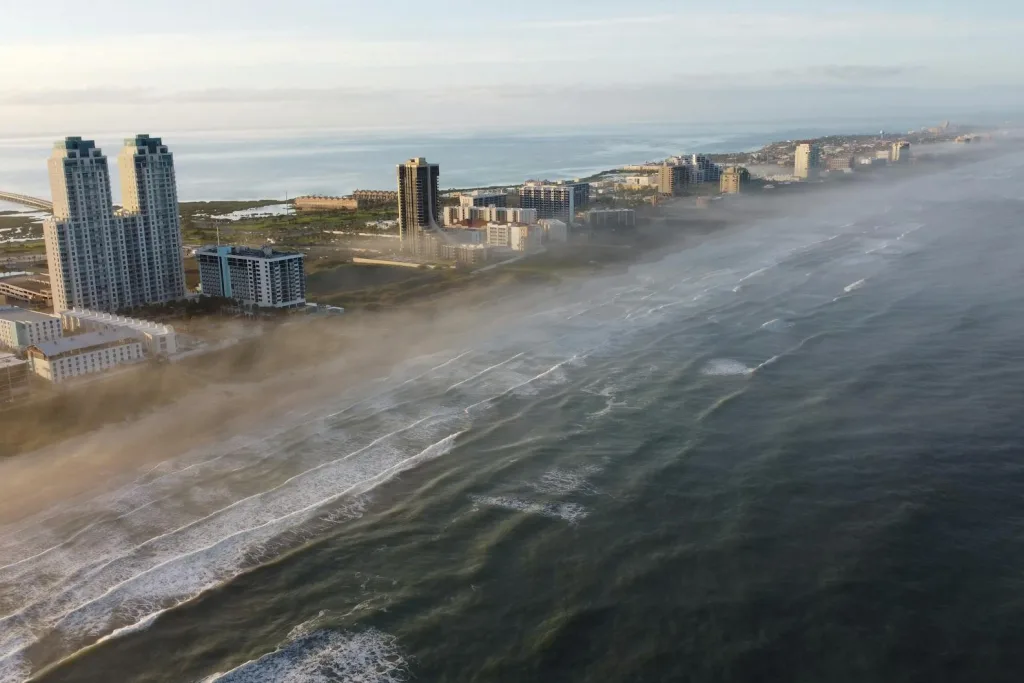
Whether you're a Kiwi craving a weekend getaway or planning a longer adventure across our own backyard, deciding between the North Island and South Island can feel like choosing between two favourite...
Tom covers travel, lifestyle, and cost-of-living topics across New Zealand. He writes practical guides on transport, day trips, outdoor activities, and everyday life in Aotearoa.
Whether you're a Kiwi craving a weekend getaway or planning a longer adventure across our own backyard, deciding between the North Island and South Island can feel like choosing between two favourite whānau members. Both offer stunning landscapes and unique experiences, but one might suit your travel style better—whether you're after geothermal wonders, epic hikes, or city vibes. Let's dive into the key differences to help you pick the perfect spot for your next trip.
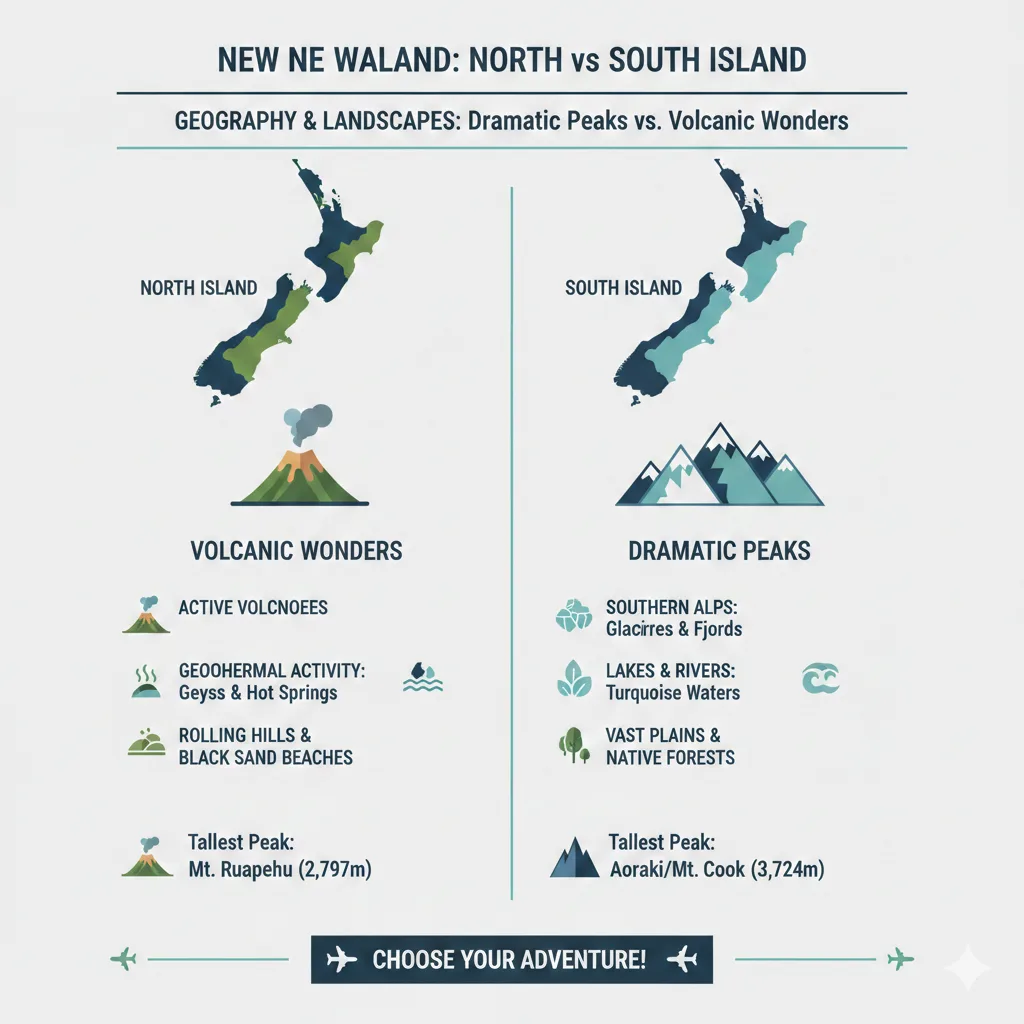
Geography and Landscapes: Dramatic Peaks vs Volcanic Wonders
The North Island, smaller in size but home to our most active geothermal areas, features volcanoes, geysers, and lush native forests. Think bubbling mud pools in Rotorua or the iconic Tongariro Alpine Crossing, a 19km day hike through New Zealand's first national park with emerald pools and volcanic vistas. Its coastline stretches invitingly, especially in the subtropical "winterless north" around the Bay of Islands, perfect for secluded beaches and water activities.
In contrast, the South Island is larger and dominated by the towering Southern Alps, glaciers, fjords, and diverse terrain that many call more dramatic and beautiful. It boasts 9 of New Zealand's 13 national parks and 8 of the 11 Great Walks, like the Kepler Track in Fiordland with its mountain-spine views. From the plunging fjords of Milford Sound to the beaches of Abel Tasman, the landscapes here feel wild and remote.
Which Suits You?
- North Island if you love compact variety: beaches, forests, and geothermal hotspots all within shorter drives.
- South Island for grandeur: mountains, glaciers, and hikes that make you feel tiny against nature's scale.
Climate: Warm Coasts vs Alpine Chill
Our North Island stays warmer year-round, with summer highs of 20-25°C and winter days rarely dipping below 10°C, especially in the subtropical north. It's ideal for beach days, surfing, or swimming without the bite of colder waters. The South Island cools things down, with summer 15-20°C and crisp winters perfect for skiing, though you'll want layers for those mountain hikes where you won't overheat.
For 2026 travellers, check NIWA forecasts—North Island summers are reliably mild, while South Island offers snow sports from June to October at spots like Queenstown or Wanaka. Both islands see rain, but the South's west coast can be wetter, so pack that trusty rain jacket.
Travel Tip
Plan North Island trips anytime; save South Island for summer (Dec-Feb) or winter adventures if you're rugged up.
Activities and Adventures: Culture vs Extreme Nature
North Island Highlights
Dive into Māori culture with marae visits and hāngi feasts in Rotorua, or explore Hobbiton for a Lord of the Rings fix. Urban explorers love Auckland's vibrant food scene and Welly's coffee culture on Cuba Street. Freedom camping spots along the coast make road trips budget-friendly.
South Island Thrills
Adventure seekers flock here for bungee in Queenstown, glacier hikes on Franz Josef, or multi-day treks on the Great Walks. It's less crowded outside peaks, with solitude on backcountry trails. Water lovers hit the Marlborough Sounds for kayaking amid islands.
| Activity Type | North Island Winner | South Island Winner |
|---|---|---|
| Hiking | Tongariro Crossing (accessible, unique) | Great Walks, Kepler Track (epic views) |
| Water Sports | Bay of Islands surfing/diving | Abel Tasman kayaking |
| Geothermal | Rotorua geysers | Hanmer Springs (smaller scale) |
| Winter Sports | Limited | Queenstown skiing |
For families or culture buffs, North Island edges out; adrenaline junkies and hikers pick South.
Population, Infrastructure, and Costs: Urban Ease vs Remote Vibes
With nearly 4 million Kiwis (out of 5 million total), the North Island feels more populated and connected—12 cities including Auckland and Wellington versus just 4 on the South. Expect easier public transport via InterCity buses or trains, and more supermarkets for self-catering. It's generally cheaper for tourists: lower tour prices, freedom camping, and shorter drives save on fuel.
The South Island's 1.2 million residents mean longer distances between spots like Christchurch and Queenstown (5+ hours drive), but that remoteness brings laid-back towns and gold-rush history. It's pricier due to popularity—adventure activities like skydiving add up, and fewer free campsites push accommodation costs higher. Fuel up before remote stretches; DOC sites have tips on freedom camping rules via the CamperMate app.
Practical Kiwi Advice
- Book ferries early via Interislander or Bluebridge—2026 sailings fill fast, especially holidays.
- Use AA Roadwatch for South Island drives; longer hauls mean more fatigue.
- Budget extra for South: expect 20-30% higher activity costs.
Best Time to Visit and Itineraries for 2026
Summer (Dec-Feb) suits both, but North for beach vibes, South for fjord cruises without crowds. Shoulder seasons (Mar-May, Sep-Nov) offer deals and fewer tourists. For a 2-week trip, many recommend 4 nights North, 9 South to cover distances.
North Sample Itinerary (7 days): Auckland → Bay of Islands → Rotorua → Tongariro → Wellington.
South Sample (10 days): Christchurch → Akaroa → Queenstown → Milford Sound → Wanaka → Abel Tasman.
FAQ
Which island is better for families?
North Island—shorter drives, kid-friendly geothermal parks, and beaches like Ninety Mile in Mount Maunganui.
Is the South Island worth it for a short trip?
For 4-5 days, stick to North for ease; South needs 7+ days to appreciate its scale.
How much more expensive is the South Island?
About 20-30% higher for activities and less free camping, but offset by epic value in landscapes.
Best for solo travellers?
South for remote hikes and hostels in adventure hubs like Queenstown; North for city social scenes.
Can I do both islands?
Yes—fly between Auckland and Christchurch, or ferry from Wellington. Ideal for 10-14 days.
Weather in 2026—any changes?
Climate patterns hold: North warmer, South variable. Check Metservice for updates.
Plan Your Perfect Kiwi Escape
Ultimately, if your style leans cultural, coastal, and convenient, choose the North Island. For jaw-dropping mountains, hikes, and adventure, the South Island calls. Many Kiwis do both—start planning via DOC.govt.nz for tracks, or Bookme.co.nz for deals. Grab your tramping poles, fuel the car, and hit the road; our islands are waiting.
Related Articles
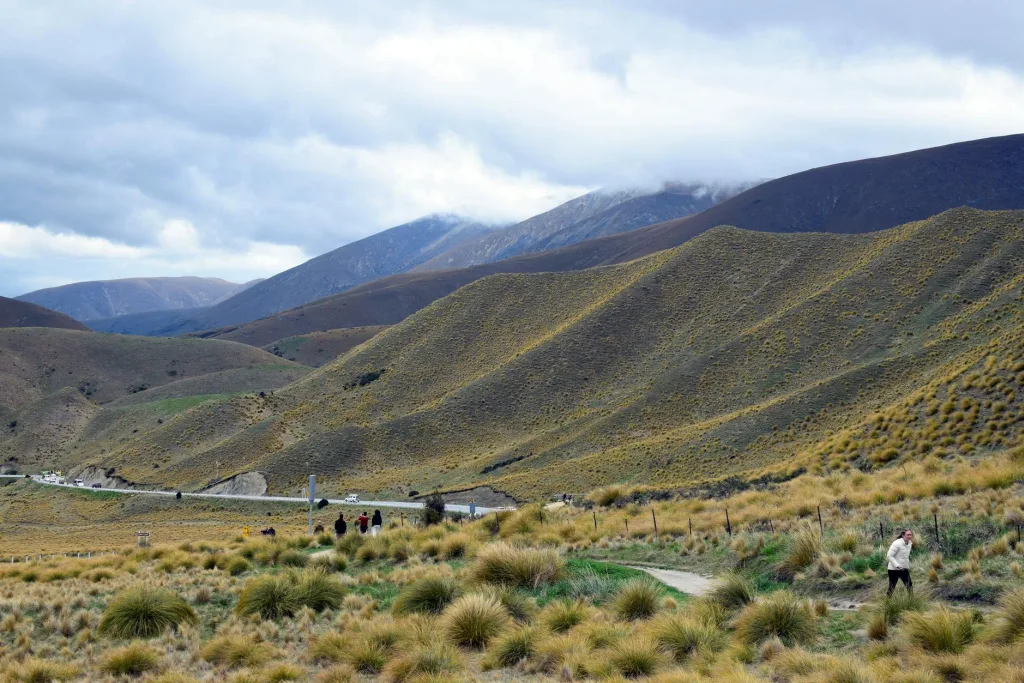
New Zealand vs Australia for Your Next Trip: Key Differences in Cost, Nature and Culture
Planning your next trip across the ditch? Whether you're dreaming of rugged fjords or sun-soaked reefs, comparing New Zealand vs Australia helps Kiwis like us make the smartest choice for cost, nature...
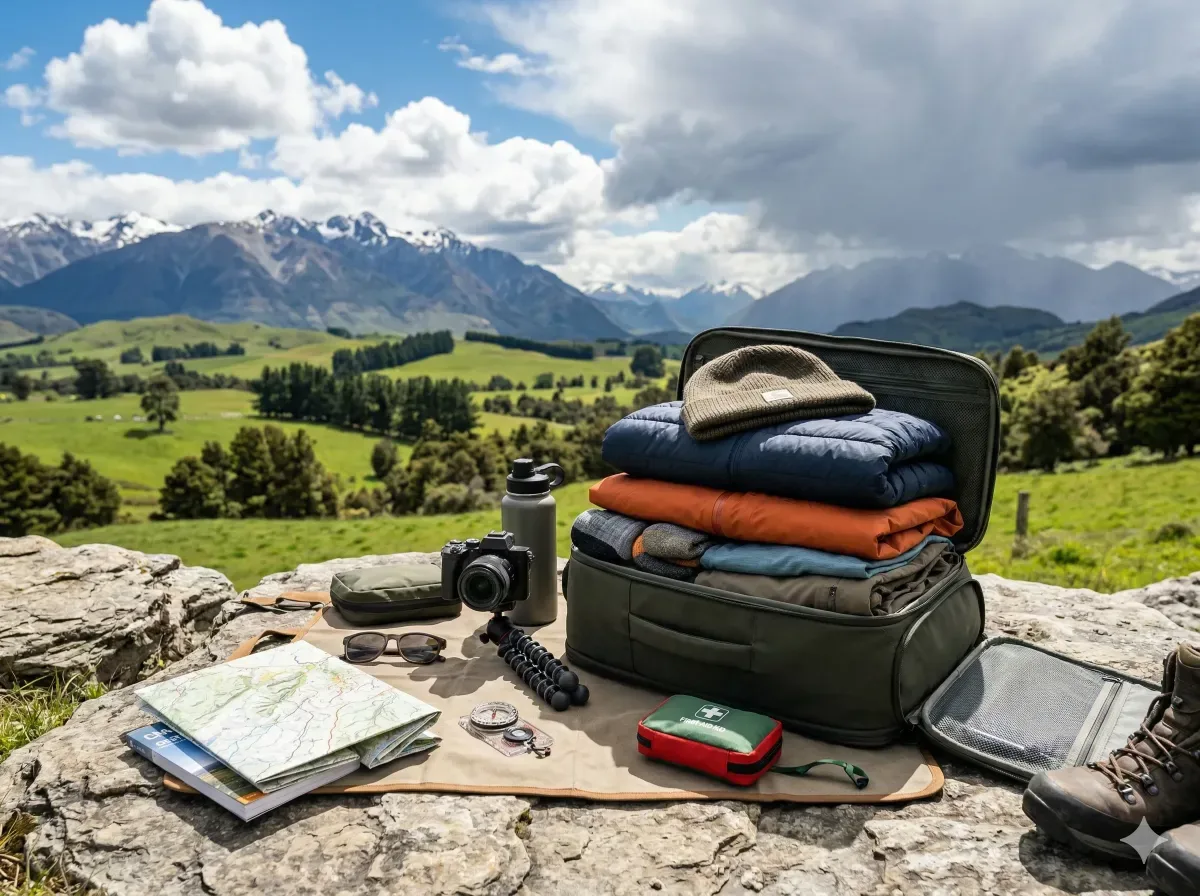
Packing List for New Zealand: What to Bring for All Four Seasons in One Day
Ever stepped out in Auckland under clear blue skies, only to be caught in a sudden downpour by lunchtime, then shivering in the evening chill? That's the classic Kiwi experience of four seasons in one...

New Zealand SIM Cards, eSIMs and Wi‑Fi: Staying Connected on Your Trip
Whether you're road-tripping the North Island or exploring the fjords of the South, staying connected keeps your Kiwi adventure seamless—from sharing snaps of Milford Sound to navigating with Google M...

Ultimate First-Timer’s Guide to Visiting New Zealand (Visas, Routes, Budget & FAQs)
Planning your first trip to New Zealand? Whether you're a Kiwi returning home or visiting for the first time, understanding visa requirements, entry procedures, and travel logistics is essential befor...