Fitness Trackers: Health Monitoring Made Simple
Ever wondered how a small device on your wrist could spot early signs of illness before you feel them, or coach you through a better night's sleep? In 2026, fitness trackers have evolved into powerful...
Emma writes about health, wellbeing, and ACC topics for Lifetimes NZ. She translates complex health information into clear, actionable advice for New Zealand readers.
Ever wondered how a small device on your wrist could spot early signs of illness before you feel them, or coach you through a better night's sleep? In 2026, fitness trackers have evolved into powerful health monitors that make staying well simple and proactive for Kiwis juggling busy lives, from tramping in Fiordland to gym sessions in Auckland.
These wearables go far beyond counting steps—they track heart rate, sleep stages, stress, and even alert you to potential health issues like atrial fibrillation or high blood pressure. With New Zealand's focus on outdoor lifestyles and preventive health through initiatives like the Green Prescription programme from Health New Zealand, fitness trackers fit perfectly into our wellness culture.
What Are Fitness Trackers and How Do They Simplify Health Monitoring?
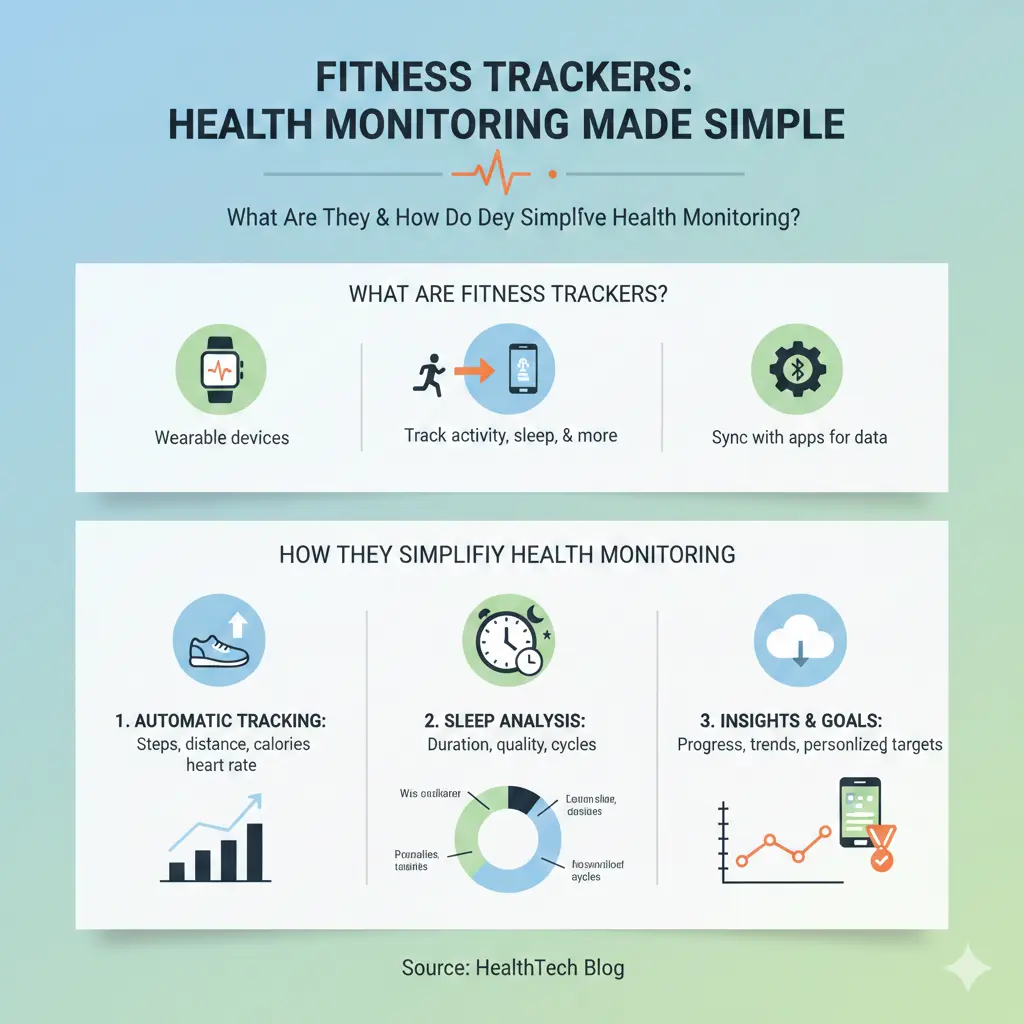
Fitness trackers are wearable devices, like smartwatches, bands, or rings, that collect real-time data on your activity, vitals, and recovery. In 2026, they've become essential tools for Kiwis managing health amid rising ACC claims for overuse injuries—up 5% in 2025 according to Stats NZ.
Key features include:
- Heart rate and ECG monitoring: Detects irregular rhythms, vital for those over 40 or with family heart history.
- Sleep tracking: Breaks down stages (light, deep, REM) and scores readiness, helping combat New Zealand's high sleep deprivation rates.
- SpO2 and stress metrics: Monitors blood oxygen and stress via skin temperature or EDA sensors.
- Recovery insights: Tools like Garmin's Body Battery tell you when to rest or push during training.
For everyday Kiwis, this means actionable data: get a notification to ease up before a cold hits, or adjust your cycle training for a Rotorua marathon.
Top Fitness Trackers for Kiwis in 2026
Choosing the right tracker depends on your needs—long battery for multi-day hikes, or seamless iPhone integration. Here's a rundown of top models available at NZ retailers like JB Hi-Fi or Noel Leeming, based on 2026 reviews.
| Model | Key Health Features | Battery Life | Best For Kiwis |
|---|---|---|---|
| Garmin Venu 3/4 | Body Battery, ECG, Sleep Coach, SpO2, 30+ sports | 14 days | Trampers and runners—reliable GPS for NZ trails |
| Apple Watch Series 9/Ultra | ECG, HRV, sleep apnea alerts, hypertension notifications | 18-36 hours | iPhone users wanting 5G for phone-free beach runs |
| Fitbit Charge 6 | ECG, stress management, readiness score, EDA | 7 days | Budget-conscious families tracking family health |
| Oura Ring Gen 4 | Sleep stages, recovery, HRV, 18 sensors | 7 days | Sleep-focused users—no screen distractions |
| Amazfit Bip 6 | Heart rate, sleep apnea, cycle tracking, 120+ sports | 14 days | Affordable option for beginners on a KiwiSaver budget |
Prices start at $150NZD for budget bands, up to $800NZD for premium watches. Check for Southern Cross Health Society discounts on wearables that sync with their apps.
Best for Outdoor Adventures in Aotearoa
For Kiwis hitting the Southern Alps or Great Walks, Garmin Vivoactive 6 shines with incident detection (auto-calls emergency services via your phone) and multi-day battery—perfect if you're off-grid. Its skin temperature alerts can flag altitude sickness early.
Health Benefits Tailored for New Zealand Lifestyles
In a country where 1 in 3 adults are inactive per Health NZ surveys, trackers motivate with nudges like "Time for a 10-minute walk to Lake Taupo". Advanced features include:
- Sleep apnea detection: Crucial with rising obesity rates; Apple Watch now alerts on potential issues.
- VO2 max and training load: Xiaomi Smart Band 10 offers pro metrics at budget prices, great for club rugby prep.
- Menstrual and cycle tracking: Supports fertility planning, integrating with NZ fertility apps.
Studies show consistent use reduces stress by 20% and boosts activity by 25%, aligning with Ministry of Health goals. Pair with free apps like MyFitnessPal for personalised plans.
Tips for Buying and Using Fitness Trackers in NZ
Make the most of your purchase with these practical steps:
- Match your ecosystem: Android? Go Samsung or Google Pixel Watch 4. iOS? Apple or Fitbit.
- Check warranty and support: NZ Consumer Guarantees Act ensures 12-month coverage; buy from local stores for easy returns.
- Prioritise battery and comfort: Rings like Oura for 24/7 wear without bulk.
- Privacy first: Review data sharing—most comply with NZ Privacy Act 2020; opt for devices with local servers.
- Integrate with Kiwi health tools: Sync to Health NZ's My Health Record or ACC's Active+ programme for rebates.
Start small: wear it for a week to baseline your habits, then set goals like 10,000 steps daily.
Next Steps to Get Started
Ready to simplify your health? Visit lifetimes.co.nz for local deals, compare models at JB Hi-Fi, and download companion apps today. Track your first week, share insights with your doctor, and join Kiwi fitness communities on Strava. Small steps lead to big wellness wins—your future self will thank you.
Frequently Asked Questions
Sources & References
- 1
-
2
I've tested all of the best fitness trackers of 2026: These are my top picks - Android Authority — www.androidauthority.com
-
3
Best Fitness Trackers 2026 - Top 7 Best Models So Far - YouTube — www.youtube.com
-
4
The best fitness trackers and wearables of 2026 - Business Insider — www.businessinsider.com
-
5
Top 10 Fitness Tracking Devices in 2026: Best for Steps, Heart Rate - Reshape — www.reshapeapp.ai
-
6
Best fitness trackers 2026 - Live Science — www.livescience.com
Related Articles
iPad Pro: Premium Tablet for Creative Professionals
If you're a creative professional in New Zealand looking for a tablet that can handle demanding work, the iPad Pro with the M5 chip might be exactly what you need. Whether you're editing videos, desig...
Handheld Vacuum Cleaners: Quick Cleanup Solutions
Handheld vacuum cleaners have become essential tools for Kiwi households, offering quick cleanup solutions without the hassle of dragging out a full-size vacuum. Whether you're dealing with crumbs on...

French Door Refrigerators in NZ: Luxury Cooling with Style
If you're looking to upgrade your kitchen with a stylish and spacious refrigerator, a French door fridge might be exactly what you need. These elegant appliances have become increasingly popular in Ne...
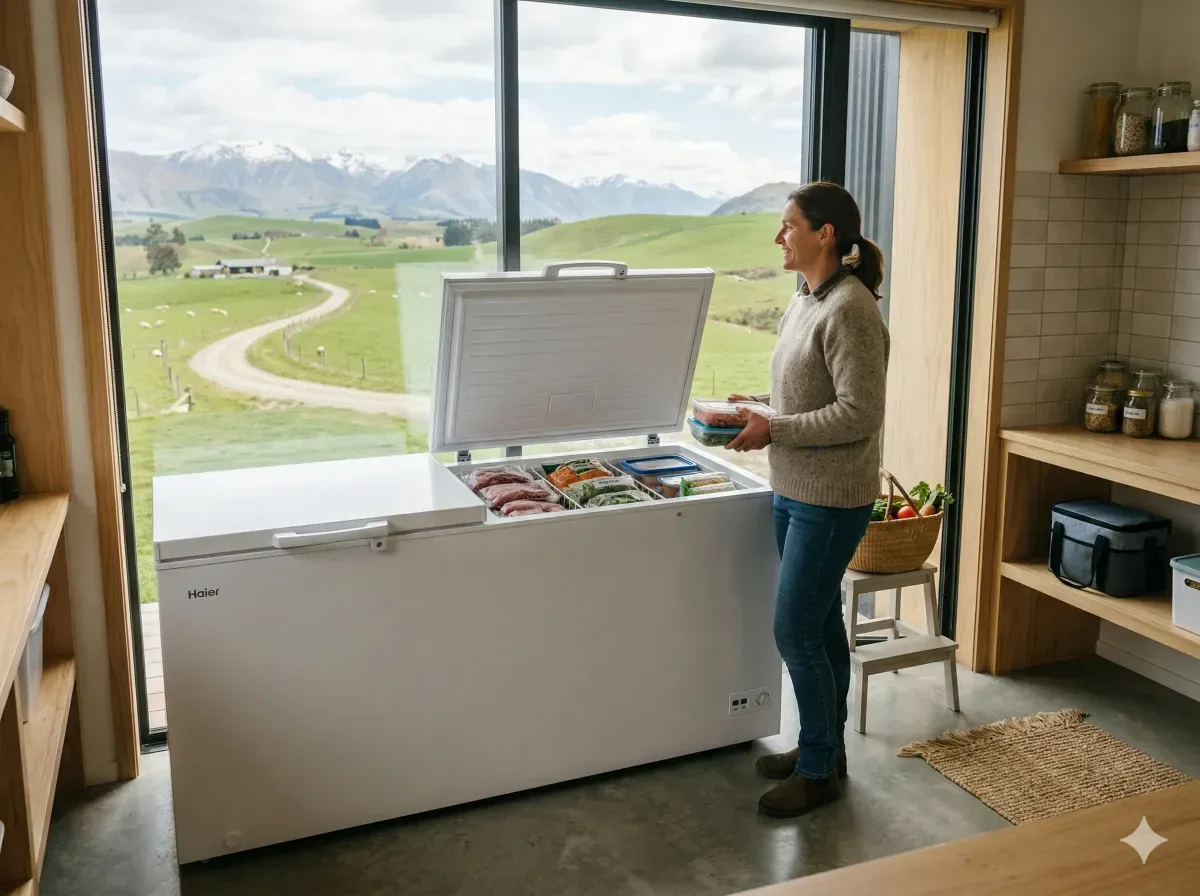
Chest Freezers in New Zealand: Bulk Storage for Rural Properties
If you're living on a rural property in New Zealand, a chest freezer isn't just a convenience—it's a practical investment for storing homekill, bulk meat purchases, garden produce, and fish. Whether y...