Microwave Ovens: Quick Heating for Busy Lifestyles
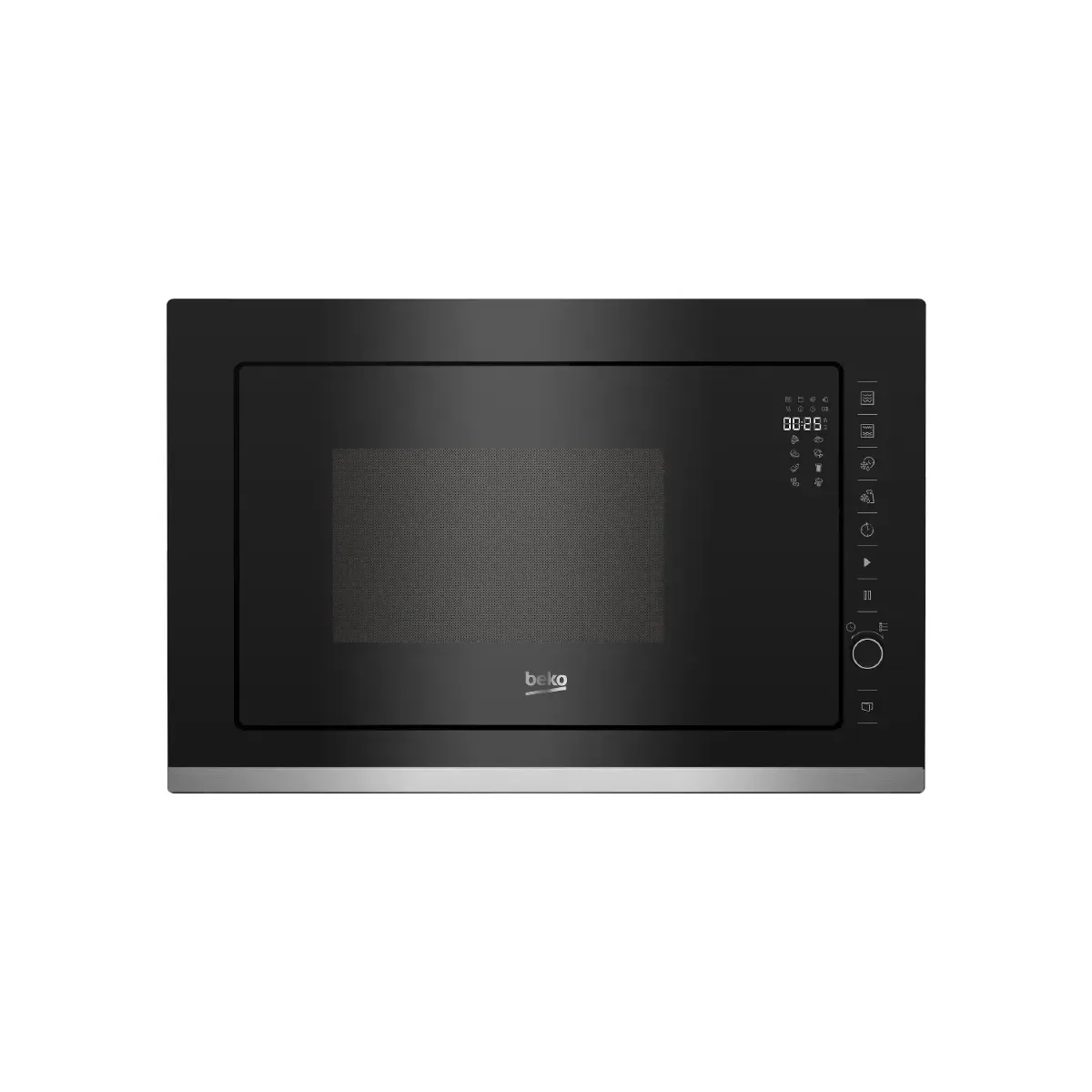
In today's fast-paced world, microwave ovens have become an indispensable kitchen appliance for Kiwis juggling work, family, and personal commitments. Whether you're reheating last night's dinner, def...
Daniel covers technology, cybersecurity, and small business topics for Lifetimes NZ. He breaks down tech news and digital trends for a general audience.
In today's fast-paced world, microwave ovens have become an indispensable kitchen appliance for Kiwis juggling work, family, and personal commitments. Whether you're reheating last night's dinner, defrosting ingredients for tonight's meal, or preparing a quick snack, microwave ovens offer unmatched convenience and speed. But with so many models available in New Zealand's market, understanding what makes a microwave work for your lifestyle is essential. This guide explores everything you need to know about microwave ovens, from how they work to choosing the right model for your home.
Why Microwave Ovens Are Essential for Busy Kiwis
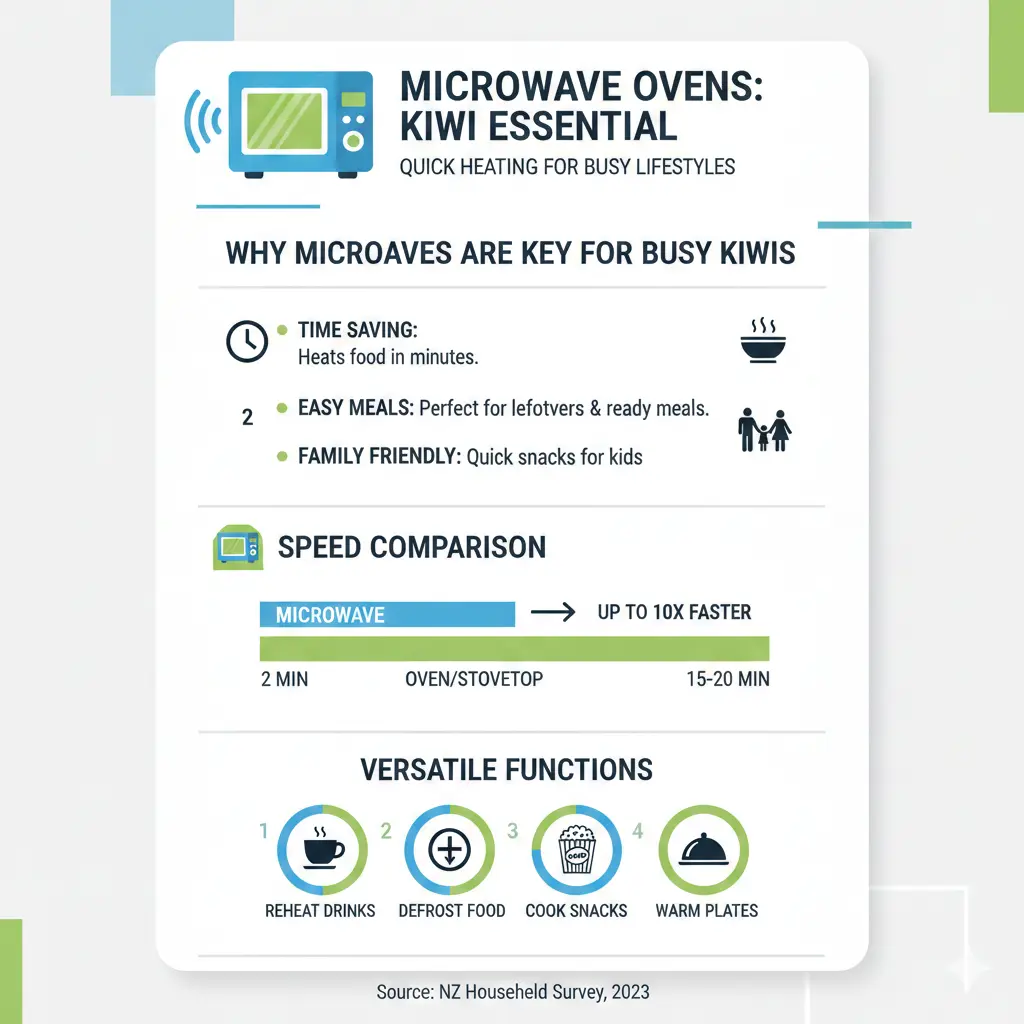
Microwave ovens have revolutionised how we prepare food at home. Unlike traditional ovens that can take 20–30 minutes to preheat and cook, microwaves deliver results in minutes—sometimes seconds. This speed makes them perfect for working professionals, busy parents, and students who need quick meal solutions without sacrificing nutrition or taste.
The demand for microwave ovens continues to grow globally, with the market valued at USD 13.57 billion in 2026 and projected to reach USD 15.77 billion by 2030. This steady growth reflects how essential these appliances have become in modern kitchens. In New Zealand, the domestic appliance retailing industry—which includes microwave sales—is worth $2.0 billion in 2026.
For Kiwis with demanding schedules, microwave ovens aren't just convenient; they're a practical solution to the challenge of eating well when time is tight. Whether you're a shift worker, a parent managing multiple responsibilities, or someone who values their leisure time, a microwave can help you prepare nutritious meals quickly.
Understanding Microwave Oven Types and Features
Solo Microwaves vs. Combination Models
Microwave ovens come in two main categories: solo microwaves and combination models. Solo microwaves are the most affordable and straightforward option, designed purely for heating and cooking using microwave radiation. They're ideal if you want a budget-friendly appliance for basic reheating and defrosting.
Combination microwaves offer more versatility, combining microwave functions with grill, steam, and convection capabilities. These models provide additional cooking options, allowing you to grill, bake, and roast in addition to microwaving. If you want a single appliance that can handle multiple cooking methods, a combination microwave is worth the extra investment.
Built-In vs. Freestanding Models
Built-in microwaves are integrated into your kitchen cabinetry and generally provide more power and better ventilation than freestanding models. They're an excellent choice if you're renovating your kitchen or want a streamlined, integrated look. Freestanding microwaves sit on your benchtop and are easier to install, making them perfect for renters or those who like flexibility in their kitchen layout.
Capacity Matters
Microwave capacity ranges widely, but the 21–25 litre capacity range is particularly popular, holding 34.9% of the microwave oven market revenue in 2025. This size is ideal for small to medium-sized households and offers a good balance between cooking versatility and compact design—perfect for apartments and smaller New Zealand kitchens.
Key Features to Look For
When shopping for a microwave in New Zealand, consider these important features:
- Sensor cooking: Automatically adjusts cooking time and power based on food moisture levels, reducing the risk of overcooking.
- Energy efficiency: Look for models with reduced power consumption to keep your electricity bills lower—important for New Zealand households managing energy costs.
- Smart connectivity: Modern microwaves increasingly offer Wi-Fi control via smartphone apps, allowing you to start cooking remotely or receive notifications when your food is ready.
- Rapid heating technology: Advanced heating systems reduce cooking time while improving food quality.
- Space-saving designs: Compact models are ideal for smaller kitchens or if you're looking to maximise benchtop space.
- Defrost settings: Specialised defrost functions are essential for safely thawing frozen meat and seafood.
Microwave Oven Pricing in New Zealand
Microwave oven prices in New Zealand vary depending on the model and features. In March 2025, the average import price for microwave ovens was $59.50 per unit, though retail prices for consumer models typically range higher depending on brand, capacity, and features.
Budget-friendly solo microwaves start around $100–$200 NZD, while mid-range combination models typically cost $300–$600 NZD. Premium built-in models with advanced smart features can exceed $1,000 NZD. Shopping around at major New Zealand retailers—including Noel Leeming, The Warehouse, and online platforms—can help you find competitive pricing and promotional deals.
Energy Efficiency and Cost Savings
Microwave ovens are among the most energy-efficient cooking appliances available. They use significantly less electricity than conventional ovens and cook food faster, reducing overall energy consumption. For Kiwis conscious about their power bills, choosing an energy-efficient microwave can contribute to lower household costs over time.
When selecting a model, look for the Energy Rating Label on the appliance, which shows the energy consumption per 100 heating cycles. This helps you compare models and choose one that aligns with your budget and environmental values.
Safety Tips for Using Microwave Ovens
- Never use metal containers: Metal reflects microwave radiation and can cause sparking. Use microwave-safe glass, ceramic, or plastic containers instead.
- Stir food halfway through cooking: This ensures even heating and reduces hot spots that could cause burns.
- Allow standing time: After cooking, let food rest for a minute or two—residual heat continues cooking the food and distributes heat more evenly.
- Keep it clean: Wipe down the interior regularly to prevent food buildup and maintain optimal performance.
- Check the door seal: Ensure the door closes properly and the seal is intact to prevent microwave radiation leakage.
Frequently Asked Questions
Are microwave ovens safe to use?
Yes, microwave ovens are safe when used correctly. The radiation they produce is contained within the oven and doesn't make food radioactive. Modern microwaves have safety features that stop radiation the moment you open the door.
Can I use any container in a microwave?
No. Only use microwave-safe containers—typically glass, ceramic, or microwave-safe plastic. Avoid metal, traditional ceramics with glazes, and some plastics that can leach chemicals when heated.
How often should I replace my microwave?
With proper care, most microwave ovens last 7–10 years. If your microwave stops heating food effectively or shows signs of damage, it's time to replace it.
What's the difference between a microwave and a convection oven?
Microwaves use radiation to heat food quickly, while convection ovens use circulating hot air. Convection ovens are better for baking and browning, whereas microwaves excel at reheating and quick cooking.
Can I microwave frozen meals directly?
Yes, most frozen meals are designed for microwave cooking. Check the packaging for specific instructions regarding container type and cooking time.
How can I make my microwave last longer?
Keep it clean, avoid using metal containers, don't run it empty, and ensure proper ventilation around the appliance. Regular maintenance extends its lifespan significantly.
Making the Right Choice for Your Home
Choosing a microwave oven comes down to understanding your lifestyle and cooking needs. If you're a busy Kiwi who needs quick meal solutions, a reliable solo microwave offers excellent value. If you want more cooking flexibility and don't mind spending extra, a combination model provides versatility. Consider your kitchen space, budget, and the features that matter most to you.
Whether you're upgrading your current microwave or purchasing your first one, investing in a quality appliance pays dividends in convenience and time savings. With the wide range of options available in New Zealand's market, you're sure to find a microwave that fits your lifestyle and budget perfectly.
Related Articles
iPad Pro: Premium Tablet for Creative Professionals
If you're a creative professional in New Zealand looking for a tablet that can handle demanding work, the iPad Pro with the M5 chip might be exactly what you need. Whether you're editing videos, desig...
Handheld Vacuum Cleaners: Quick Cleanup Solutions
Handheld vacuum cleaners have become essential tools for Kiwi households, offering quick cleanup solutions without the hassle of dragging out a full-size vacuum. Whether you're dealing with crumbs on...

French Door Refrigerators in NZ: Luxury Cooling with Style
If you're looking to upgrade your kitchen with a stylish and spacious refrigerator, a French door fridge might be exactly what you need. These elegant appliances have become increasingly popular in Ne...
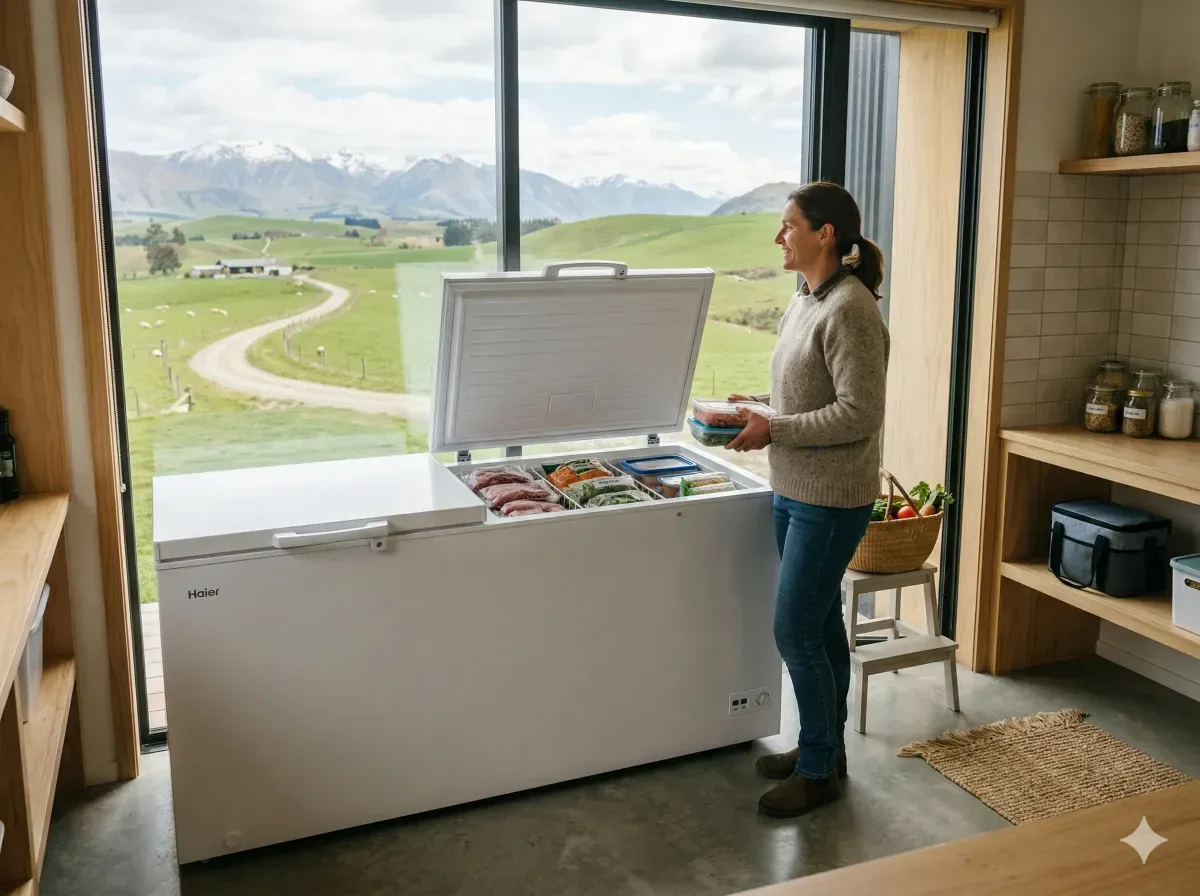
Chest Freezers in New Zealand: Bulk Storage for Rural Properties
If you're living on a rural property in New Zealand, a chest freezer isn't just a convenience—it's a practical investment for storing homekill, bulk meat purchases, garden produce, and fish. Whether y...