Smartwatches: Fitness and Notifications on Your Wrist
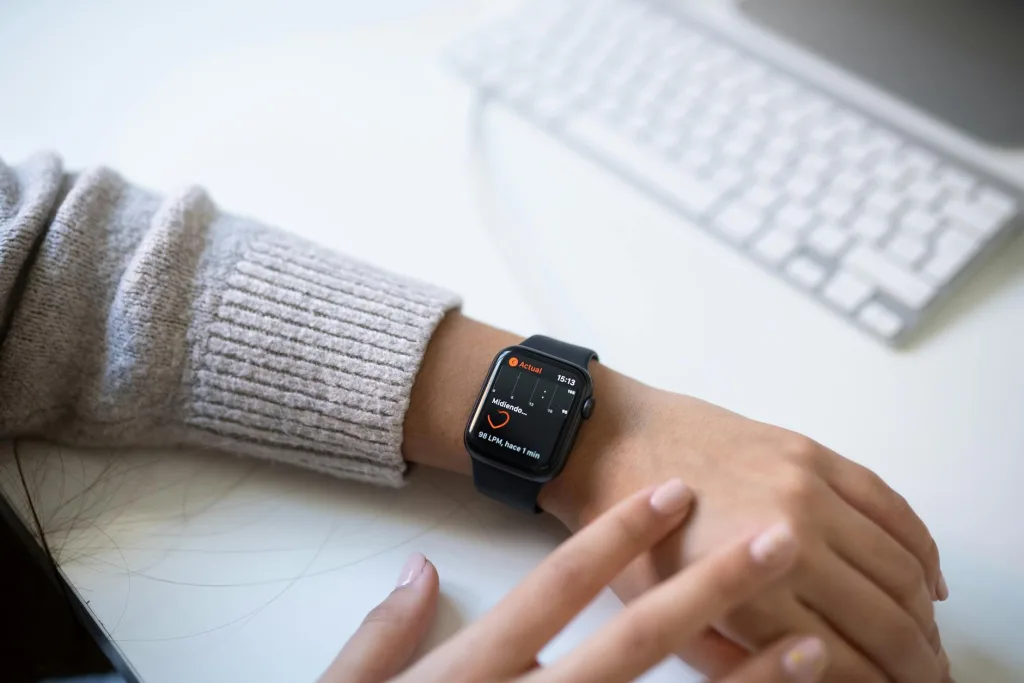
Smartwatches have transformed from a novelty tech gadget into an essential wearable that keeps you connected and informed throughout your day. Whether you're tracking your morning run, receiving work...
Daniel covers technology, cybersecurity, and small business topics for Lifetimes NZ. He breaks down tech news and digital trends for a general audience.
Smartwatches have transformed from a novelty tech gadget into an essential wearable that keeps you connected and informed throughout your day. Whether you're tracking your morning run, receiving work notifications, or monitoring your heart rate during a busy commute, these devices have become a staple for many Kiwis. The smartwatch market continues to evolve rapidly, with new features and technologies making these wrist-worn companions more capable than ever before.
What Are Smartwatches and Why Are They Popular?
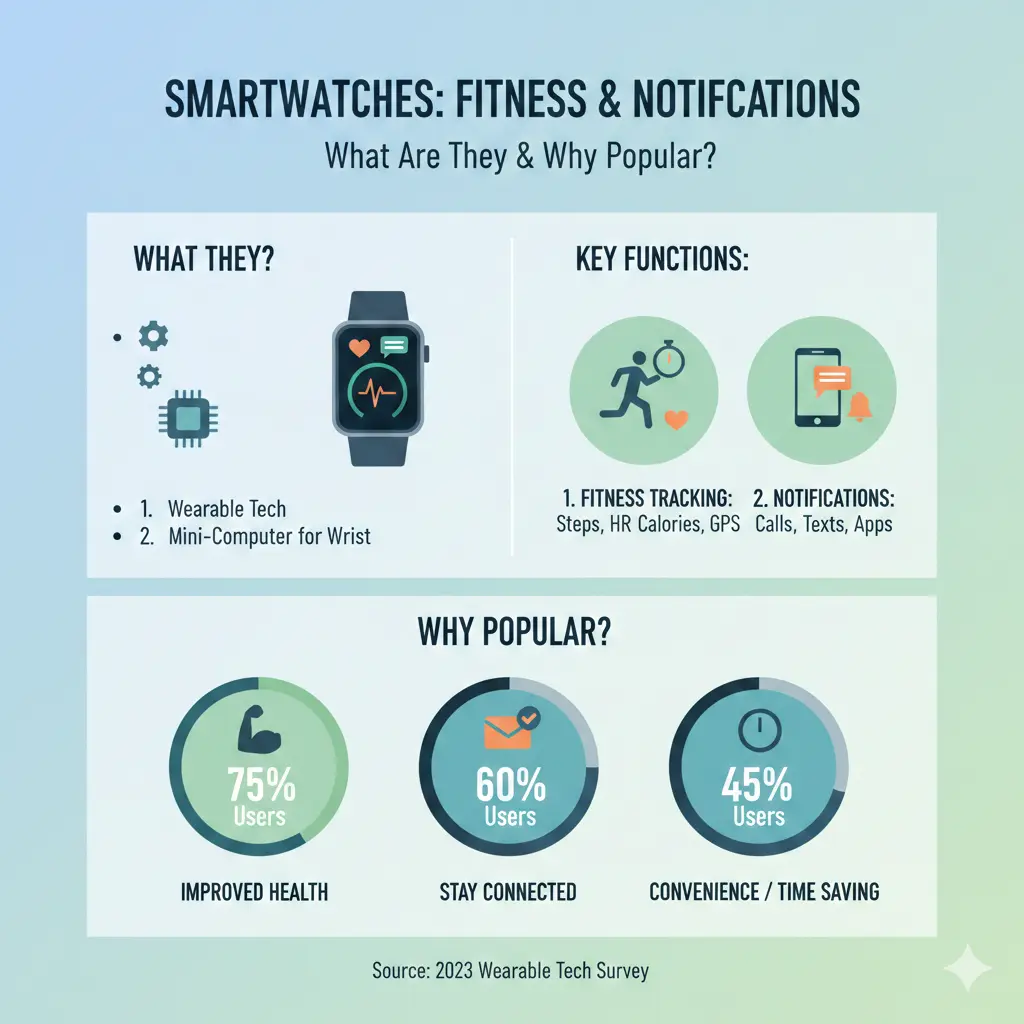
A smartwatch is a wearable device that combines fitness tracking capabilities with smartphone-like functionality, all displayed on a compact screen on your wrist. Unlike traditional fitness trackers, smartwatches offer a broader range of features including notifications, messaging, voice assistants, and mobile payments. The global smartwatch market has experienced tremendous growth, with the market valued at approximately USD 42.6 billion in 2025 and projected to reach USD 100.9 billion by 2035, growing at a compound annual growth rate of 9.0%.
In New Zealand, the watch market—which includes smartwatches—is expected to reach NZ$372.88 million by 2033, growing from NZ$246.21 million in 2024. This growth reflects Kiwis' increasing interest in wearable technology and health monitoring devices. The popularity of smartwatches is driven by several key factors:
- Health and fitness tracking: Real-time monitoring of physical activity, heart rate, sleep patterns, and stress levels
- Convenience: Quick access to notifications and information without reaching for your phone
- Connectivity: Seamless integration with your smartphone for calls, messages, and apps
- Lifestyle digitisation: Data-driven insights into your personal wellness and daily routines
Key Features That Matter to Kiwi Users
Fitness and Health Monitoring
One of the primary reasons Kiwis invest in smartwatches is their advanced health monitoring capabilities. Modern smartwatches include sensors that track heart rate, sleep patterns, blood oxygen levels, and stress indicators. These features appeal to fitness enthusiasts and health-conscious individuals who want comprehensive data about their wellbeing throughout the day.
The fitness tracking market in New Zealand is experiencing significant growth due to increasing customer preferences for wearable technology. Whether you're training for a half-marathon, monitoring a chronic condition, or simply wanting to maintain a healthy lifestyle, smartwatches provide the real-time data and personalised insights you need.
Notifications and Connectivity
Smartwatches keep you connected without constant phone checking. You'll receive notifications for calls, messages, emails, and app alerts directly on your wrist. Many modern smartwatches now support standalone voice calls and messaging, meaning you can remain reachable even when your phone isn't nearby—ideal for exercising, hiking, or outdoor activities that Kiwis enjoy.
Mobile Payments and Convenience
Leading smartwatch models now support contactless payments through technologies like Apple Pay or Google Pay. This feature is particularly convenient for quick purchases during your daily routine, though you'll want to check that your bank supports this functionality through your smartwatch provider.
Popular Smartwatch Brands Available in New Zealand
The New Zealand smartwatch market features a dynamic mix of international and regional players. Some of the leading brands available to Kiwi consumers include:
- Apple: Apple Watch remains popular for iPhone users, offering seamless integration and comprehensive health features
- Samsung: Galaxy Watch series provides excellent compatibility with Android devices
- Garmin: Known for outdoor and sports-focused smartwatches with rugged designs
- Fitbit: Specialises in fitness tracking with strong health monitoring capabilities
- Huawei: Offers competitive options with extended battery life
- Amazfit: Budget-friendly alternatives with solid feature sets
Emerging Trends in Smartwatch Technology for 2026
The smartwatch landscape continues to evolve with several exciting trends shaping the market in 2026 and beyond:
AI-Powered Features
Artificial intelligence integration is transforming smartwatches into more intelligent personal assistants. Voice controls, predictive health insights, and personalised recommendations are becoming standard features. These AI-driven functionalities enable smartwatches to operate more independently from smartphones and provide more intuitive user experiences.
Advanced Display and Battery Technology
Manufacturers are investing heavily in improved display technologies and battery efficiency. Longer battery life means you won't need to charge your smartwatch as frequently, making these devices more practical for daily wear and outdoor adventures.
Smart Sportswear Integration
New Zealand is seeing early adoption of smart sportswear that works alongside traditional smartwatches. Commercial smart clothing featuring hydration and posture monitoring is emerging in the market, with "smart fashion" gaining visibility at events like New Zealand Fashion Week.
Health and Wellness Focus
The integration of health and wellness monitoring features continues to expand, with smartwatches increasingly providing comprehensive vital sign tracking and telemedicine integration capabilities. This trend reflects growing consumer awareness of personal health management.
Choosing the Right Smartwatch for Your Needs
When selecting a smartwatch, consider these practical factors:
- Smartphone compatibility: Ensure the smartwatch works with your iPhone or Android device
- Fitness features: Look for tracking modes that match your primary activities (running, cycling, swimming, etc.)
- Battery life: Consider how often you're willing to charge—some models last days, others require daily charging
- Budget: Smartwatches range from budget-friendly options under NZ$200 to premium models exceeding NZ$1,000
- Design: Choose between sporty, casual, or formal styles depending on where you'll wear it
- Health monitoring capabilities: Decide which health metrics matter most to you (heart rate, ECG, blood oxygen, sleep tracking)
Getting Started with Your Smartwatch
Once you've chosen your smartwatch, here are practical next steps to maximise your investment:
- Pair your smartwatch with your smartphone using the manufacturer's app
- Customise your health and fitness goals to match your lifestyle
- Explore notification settings to avoid information overload
- Set up payment methods if your model supports mobile payments
- Regularly review your health data to track progress and adjust goals
- Keep your smartwatch software updated for the latest features and security
Smartwatches represent a significant evolution in personal technology, combining fitness tracking, health monitoring, and communication into a single wearable device. Whether you're a fitness enthusiast looking to optimise your training, a busy professional wanting better connectivity, or simply curious about wearable technology, there's a smartwatch suited to your needs. With the market continuing to grow and innovate, now's an excellent time to explore what these capable devices can offer your daily life.
Frequently Asked Questions
Sources & References
-
1
New Zealand Smartwatch Chips Market | 2019 – 2030 — Ken Research — www.kenresearch.com
- 2
-
3
Smartwatch Market Size, Trends & Forecast 2026–2035 — OMR Global — www.omrglobal.com
-
4
Fitness Trackers - New Zealand | Statista Market Forecast — www.statista.com
-
5
Wearable Fitness Technology — Sport New Zealand — sportnz.org.nz
- 6
-
7
Smart Watch Market Report 2026 — Research and Markets — www.researchandmarkets.com
-
8
Smartwatch Market Growth | Industry Analysis, Size & Forecast — Mordor Intelligence — www.mordorintelligence.com
-
9
Smart Watch Market | Global Market Analysis Report - 2035 — Future Market Insights — www.futuremarketinsights.com
- 10
Related Articles
iPad Pro: Premium Tablet for Creative Professionals
If you're a creative professional in New Zealand looking for a tablet that can handle demanding work, the iPad Pro with the M5 chip might be exactly what you need. Whether you're editing videos, desig...
Handheld Vacuum Cleaners: Quick Cleanup Solutions
Handheld vacuum cleaners have become essential tools for Kiwi households, offering quick cleanup solutions without the hassle of dragging out a full-size vacuum. Whether you're dealing with crumbs on...

French Door Refrigerators in NZ: Luxury Cooling with Style
If you're looking to upgrade your kitchen with a stylish and spacious refrigerator, a French door fridge might be exactly what you need. These elegant appliances have become increasingly popular in Ne...

Chest Freezers in New Zealand: Bulk Storage for Rural Properties
If you're living on a rural property in New Zealand, a chest freezer isn't just a convenience—it's a practical investment for storing homekill, bulk meat purchases, garden produce, and fish. Whether y...