Bringing Pets to NZ: Quarantine and Requirements
Imagine the excitement of settling into your new life in Aotearoa, only to realise your furry family member can't join you right away. Bringing pets to NZ involves navigating strict biosecurity rules...
Sarah covers personal finance, tax, and KiwiSaver topics for Lifetimes NZ. She focuses on making money management straightforward and practical for everyday Kiwis.
Imagine the excitement of settling into your new life in Aotearoa, only to realise your furry family member can't join you right away. Bringing pets to NZ involves navigating strict biosecurity rules designed to protect our unique wildlife and rabies-free status, but with proper planning, it's entirely doable. Whether you're a Kiwi returning home or a newcomer, understanding the quarantine and requirements ensures a smoother reunion.
Why New Zealand Has Strict Pet Import Rules
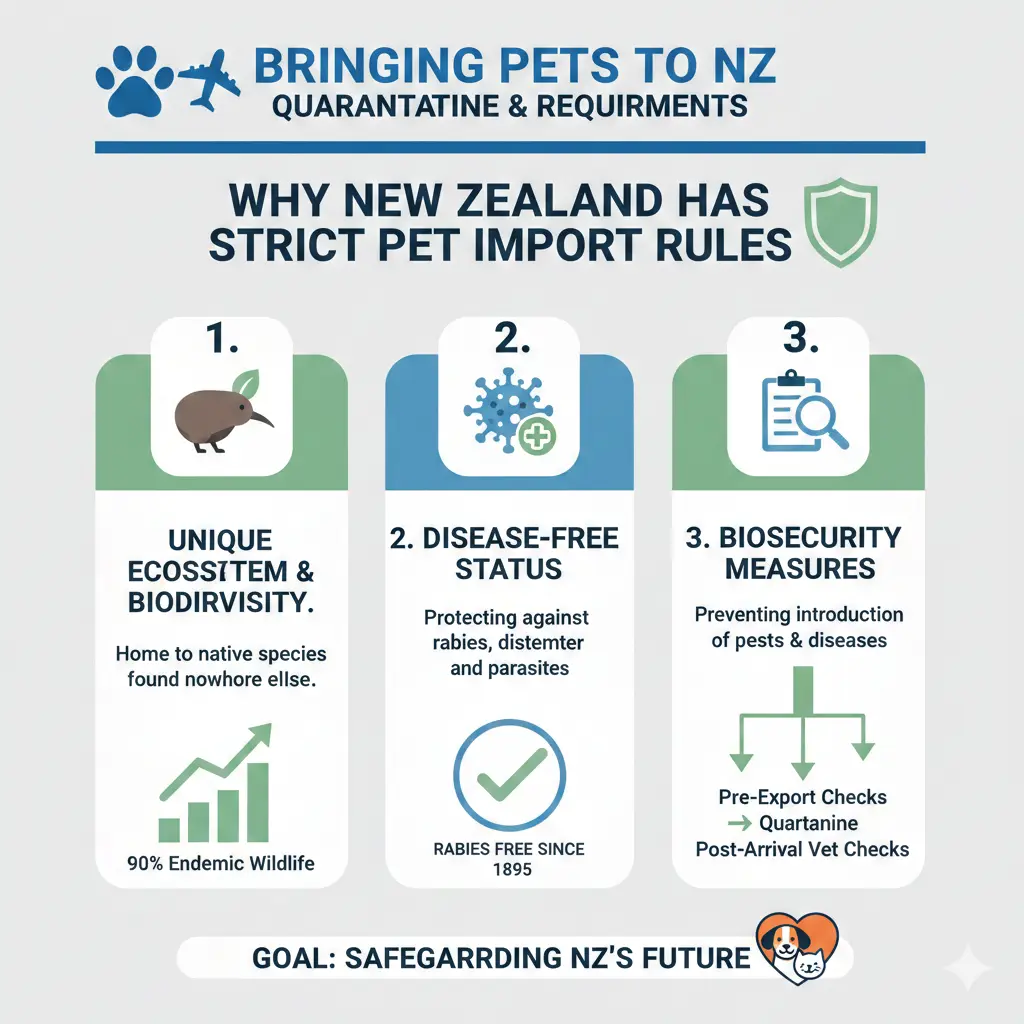
New Zealand's Ministry for Primary Industries (MPI) enforces rigorous pet import standards to safeguard our pest-free environment and prevent diseases like rabies. These rules classify countries into categories based on rabies risk: Category 1 (Australia and Norfolk Island, no quarantine), Category 2 (approved rabies-free countries like the UK, US, Canada, EU nations, Japan), and Category 3 (rabies-controlled countries with stricter measures). Pets from non-approved countries generally can't enter, and failure to comply may result in return or euthanasia at your expense.
The process typically spans 6-12 months, involving microchipping, vaccinations, tests, permits, and quarantine for most arrivals. Start early to avoid delays, especially with limited quarantine spots at MPI-approved facilities in Auckland or Christchurch.
Eligibility: Which Pets Can You Bring to NZ?
Cats and dogs are the primary pets allowed, provided they meet health criteria. Your pet must be over 12 weeks old and not more than 42 days pregnant. Other animals face hurdles: birds require lengthy quarantine, while rabbits, guinea pigs, reptiles, and amphibians are often prohibited.
- Dogs: Declare breed upon arrival; restricted breeds may face issues.
- Cats: Standard requirements apply.
- Other pets: Check MPI's import health standards (IHS) for specifics—many small mammals aren't permitted.
Confirm your origin country is approved via MPI's guidance. Pets must have resided there for at least six months (except Australia).
Financial Considerations for Kiwis
Costs add up quickly: expect NZ$3,000-NZ$10,000+ for vets, tests, permits, flights, and quarantine (10 days at ~NZ$100-200/day). Factor in KiwiSaver withdrawals if funding relocation, but consult IRD for tax implications. Budget for potential extra vet exams at the border if your pet shows signs of illness.
Step-by-Step Guide: Bringing Cats and Dogs to NZ in 2026
Follow MPI's step-by-step process using their import health standard and model certificates. All steps must occur in sequence in your origin country.
Step 1: Microchip Your Pet
Implant an ISO-compliant microchip first—it's your pet's ID for all documents. Scan and record the number accurately.
Step 2: Rabies Vaccination and Titer Test
Vaccinate against rabies at least 180 days before entry (post-microchip). For Category 2/3 countries, a rabies titer test follows 30 days later, with results valid for a year if levels are adequate. Plan for 6+ months here.
Step 3: Other Vaccinations and Treatments
Dogs need heartworm prevention; both cats and dogs require flea/tick treatments. Canine influenza declaration may apply. Vets must use MPI model certificates.
Step 4: Book Quarantine and Apply for Import Permit
Book an MPI-approved facility early—spaces fill fast. Apply for the permit 30+ working days ahead (via MPI online portal), except from Australia. Include proof of ownership if available.
Step 5: Health Certificate and Final Checks
Within 10 days of travel, a licensed vet issues the health certificate (endorsed by government authority), detailing microchip, vaccines, and no rabies in origin for 24 months (if applicable). Re-inspect within 48 hours of departure.
Step 6: Travel Arrangements
Fly direct to Auckland or Christchurch. Notify MPI vet: 5 days prior from Australia, 72 hours from elsewhere. Use pet-friendly airlines; check layovers—high-rabies transits need declarations, and over 6 hours may require quarantine booking. Sea arrivals (yachts) must comply fully.
Upon arrival, expect border checks. Healthy pets go to 10-day quarantine (none from Australia).
Quarantine Requirements in Detail
All cats and dogs endure a minimum 10-day quarantine at approved facilities, even if compliant—except from Category 1. Costs cover care, but subpar health means extra exams or extension at your expense. Prepare emotionally: visits may be limited.
| Origin Category | Quarantine Duration | Key Notes |
|---|---|---|
| Category 1 (Australia/Norfolk) | 0 days | No quarantine if requirements met. |
| Category 2/3 (Approved) | 10 days minimum | Book early; Auckland/Christchurch only. |
Costs Breakdown: Budgeting for Your Pet's Journey
Relocating pets ties into family finances—think of it as an investment in wellbeing. Here's a 2026 estimate:
- Microchip/vaccines/tests: NZ$500-1,500
- Import permit: NZ$200-400
- Quarantine (10 days): NZ$1,000-2,000
- Flights/crate: NZ$1,000-3,000
- Vet certificates/endorsements: NZ$500-1,000
- Total: NZ$3,200-7,900+
WINZ may assist low-income families with relocation, but pet costs are personal. Seek financial advice; this isn't tax-deductible unless business-related (check IRD).
Common Pitfalls and Practical Tips for Kiwis
Avoid delays by:
- Starting 6-12 months ahead.
- Using MPI's guidance document and IHS.
- Choosing direct flights; declare transits properly.
- Keeping meticulous records—microchip mismatches cause rejections.
- Checking ACC for travel insurance covering pets indirectly.
For returning Kiwis, note export rules: microchip required, MPI export certificate for long flights from Auckland, Wellington, or Christchurch.
"New Zealand's biosecurity laws are among the world's strictest to protect our ecosystem—patience pays off."
Next Steps: Get Your Pet Home Safely
Download MPI's step-by-step guide today and contact an approved vet. Book quarantine, apply for your permit, and verify airline policies. For personalised advice, consult a pet relocation specialist or MPI directly. Remember, professional financial planning ensures this fits your budget—speak to an advisor about impacts on KiwiSaver or taxes. With preparation, your pet will soon be chasing kiwis in your backyard.
Disclaimer: This guide uses 2026 information; regulations change. Seek professional veterinary, biosecurity, and financial advice. Not financial advice—consult IRD/WINZ as needed.
Frequently Asked Questions
Sources & References
-
1
New Zealand Pet Import Requirements — www.pettravel.com
-
2
Bringing Your Pet to New Zealand: Complete Import Guide (2026) — themigratehub.com
-
3
Moving Pets to New Zealand (2026 Import Checklist) — worldcarepet.com
-
4
Bringing pets into New Zealand — www.govt.nz
-
5
Pet Travel From the United States to New Zealand — www.aphis.usda.gov
-
6
Step-by-step guide to bringing cats and dogs to NZ — www.mpi.govt.nz
-
7
Moving to New Zealand With Pets — www.petrelocation.com
-
8
Pet Transportation to New Zealand — tailwindglobalpet.com
Related Articles

Industry Bodies and Professional Associations NZ
Whether you're launching a business, advancing your career, or navigating financial regulations, industry bodies and professional associations in New Zealand offer invaluable support. These organisati...

Emergency Benefit NZ: When You Have No Other Options
When you're struggling financially and don't qualify for other benefits, the Emergency Benefit might be your lifeline. It's a discretionary payment designed for Kiwis in genuine hardship who've exhaus...

Unpaid Internships NZ: Are They Legal?
Unpaid internships are a common pathway for students and graduates to gain work experience in New Zealand, but there's often confusion about whether they're actually legal. The short answer is: unpaid...

Estate Administration NZ: Managing Someone's Affairs After Death
Losing a loved one is one of life's toughest challenges, and stepping in to manage their estate can feel overwhelming. In New Zealand, estate administration—the process of handling someone's affairs a...