Earthquake Prone Buildings: What Buyers Need to Know
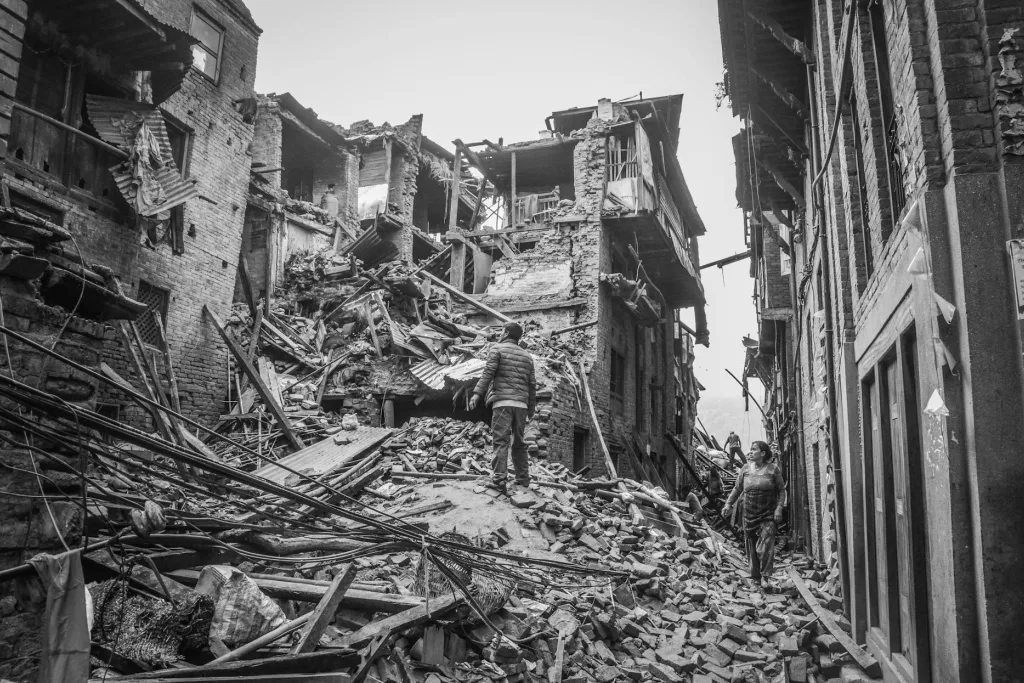
If you're thinking about buying a property in New Zealand, understanding earthquake-prone buildings (EPBs) is crucial. The government has just overhauled the system that identifies and manages these b...
Sarah covers personal finance, tax, and KiwiSaver topics for Lifetimes NZ. She focuses on making money management straightforward and practical for everyday Kiwis.
If you're thinking about buying a property in New Zealand, understanding earthquake-prone buildings (EPBs) is crucial. The government has just overhauled the system that identifies and manages these buildings, and the changes could significantly affect your investment decisions and costs. Here's what you need to know about the new regime and how it impacts you as a buyer.
What's Changing with Earthquake-Prone Buildings
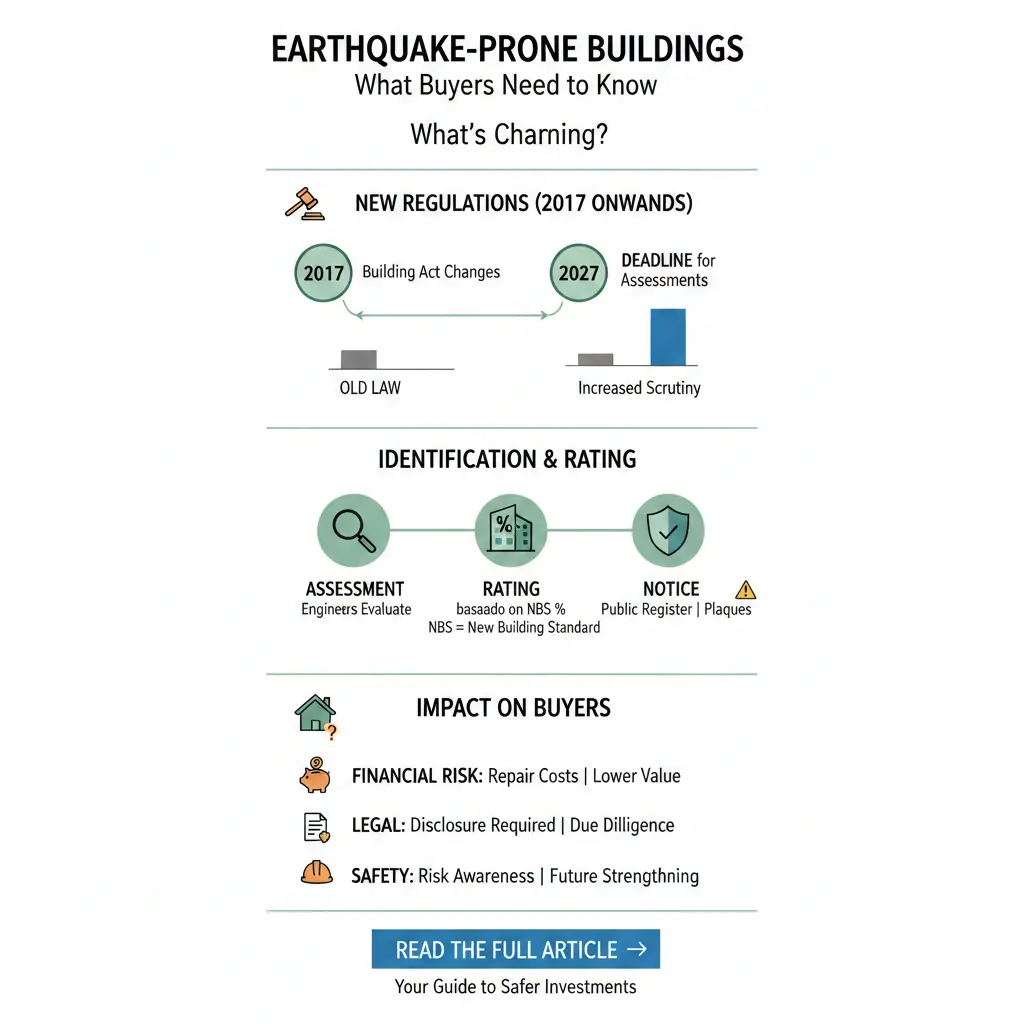
In December 2025, the government introduced the Building (Earthquake-prone Buildings) Amendment Bill to replace the existing earthquake-prone building system with a more proportionate, risk-based approach. The current system, which has been in place since 2017, uses a 34% New Building Standard (NBS) metric that has resulted in around 5,800 properties being earmarked for seismic strengthening or demolition. The new regime aims to cut this number dramatically.
The key objective is simple: reduce compliance costs and focus regulation on buildings that genuinely pose a risk to human life. According to Building and Construction Minister Chris Penk, the new system will save New Zealand an estimated NZ$8.2 billion.
How the New System Works
Narrowed Scope and Seismic Zones
The reformed EPB regime will only apply to buildings in medium or high seismic zones. This is a major change. Buildings in low seismic zones—including all of Auckland, Northland, and the Chatham Islands—will be entirely removed from the EPB system. If you're buying property in these areas, you won't need to worry about EPB obligations.
Importantly, Dunedin has been upgraded to a medium seismic hazard area, so properties there will fall under the new regime.
Specific Building Types Now Targeted
Rather than using the broad 34% NBS metric, the new system focuses on high-risk building types. These include:
- Concrete buildings three storeys or higher
- Buildings constructed with unreinforced masonry in medium and high seismic zones
Unreinforced masonry buildings under three storeys in small and rural towns will no longer require full remediation, though owners must secure the façade before the building can be removed from the EPB register.
Reduced Number of Affected Properties
The reforms will dramatically reduce the number of properties requiring seismic work. The new regime will affect approximately 2,900 properties, down from 5,800 under the current system. Of these remaining properties:
- Just 80 will need a full refit
- 1,440 will need cost-effective remediation
- 840 won't need any work other than façade securing
What This Means for Property Buyers
Due Diligence is Still Essential
Even with the reformed system, you should always check whether a property is registered as earthquake-prone before purchasing. Ask your real estate agent or lawyer to verify the property's status with the local territorial authority. If a building is on the EPB register, you'll need to factor in remediation costs and timeframes when assessing the property's value.
Transition Period Considerations
The new regime comes into force on 1 July 2027, but interim arrangements are already in effect. Buildings previously classified as earthquake-prone in low seismic zones have been removed from the EPB register. If you're considering a property in Auckland, Northland, or the Chatham Islands, this is good news—those properties are no longer subject to EPB requirements.
However, if you're buying a property that's currently under an EPB notice, you have options. Owners can choose to either obtain an assessment under the new regime or complete work under the existing notice. This flexibility may affect your negotiating position and timeline.
Extended Deadlines for Remediation
To ease financial pressure on owners, the new system allows deadline extensions of up to 15 years to complete seismic work. As a buyer, this means you could potentially negotiate a longer timeframe for remediation work if you're purchasing an EPB property, which might improve your cash flow.
Reduced Barriers to Strengthening
The reforms remove the requirement for concurrent fire and accessibility upgrades when undertaking seismic strengthening. This should lower remediation costs and make it easier for owners to address earthquake risk without being forced into expensive additional work.
Financial Planning for EPB Properties
Budget for Remediation Costs
If you're considering buying an EPB property, factor in seismic strengthening costs. The good news is that the new regime's focus on "cost-effective remediation" for most buildings should keep expenses more reasonable than under the old 34% NBS system. Get a professional engineer's assessment before making an offer.
Check Your Local Council's Register
Your territorial authority maintains a register of earthquake-prone buildings. Before purchasing, contact your local council or check their website to see if the property is listed. This information is essential for your purchase decision and insurance considerations.
Insurance and Mortgages
Banks and insurance companies take EPB status seriously. You may face higher insurance premiums or stricter lending conditions for earthquake-prone properties. Always disclose EPB status to your lender and insurer before proceeding with a purchase.
Timeline for the New System
The Building (Earthquake-prone Buildings) Amendment Bill is currently progressing through Parliament. Key dates include:
- 15 February 2026: Submission deadline for public consultation
- 15 June 2026: Select Committee report due
- Late 2026: Legislation expected to pass
- 1 July 2027: New regime comes into full force
Until the new system is in effect, the current EPB rules remain in place. This means if you're buying now, the existing 34% NBS metric still applies to properties in medium and high seismic zones.
Key Takeaways for Buyers
The earthquake-prone building system is undergoing significant reform that will benefit many property buyers, particularly those in low seismic zones like Auckland. However, if you're buying in medium or high seismic zones, understanding EPB status remains critical to your purchase decision.
Before making an offer on any property:
- Check the territorial authority's EPB register
- Get a professional seismic assessment if the property is listed
- Factor remediation costs into your budget
- Disclose EPB status to your lender and insurer
- Understand the remediation timeline and your options for extensions
- Consider negotiating shared costs or longer deadlines with the seller
The new regime coming in July 2027 will make the system more proportionate and less burdensome for most owners. If you're currently in the market, staying informed about these changes helps you make smarter investment decisions and avoid costly surprises down the track.
Disclaimer: This article provides general information about earthquake-prone buildings in New Zealand. Property law and building regulations can be complex, and individual circumstances vary. Always seek professional advice from a qualified lawyer, engineer, or financial adviser before making property purchase decisions.
Frequently Asked Questions
Sources & References
-
1
A first look at the earthquake-prone building regime reform – DLA Piper — www.dlapiper.com
-
2
New Zealand to Ease Strengthening Rules on Quake-Prone Buildings — Insurance Journal — www.insurancejournal.com
- 3
- 4
-
5
Earthquake Prone Building (EPB) system reform — Engineering New Zealand — www.engineeringnz.org
-
6
Building (Earthquake-prone Buildings) Amendment Bill — New Zealand Parliament — bills.parliament.nz
Related Articles

Industry Bodies and Professional Associations NZ
Whether you're launching a business, advancing your career, or navigating financial regulations, industry bodies and professional associations in New Zealand offer invaluable support. These organisati...

Emergency Benefit NZ: When You Have No Other Options
When you're struggling financially and don't qualify for other benefits, the Emergency Benefit might be your lifeline. It's a discretionary payment designed for Kiwis in genuine hardship who've exhaus...

Unpaid Internships NZ: Are They Legal?
Unpaid internships are a common pathway for students and graduates to gain work experience in New Zealand, but there's often confusion about whether they're actually legal. The short answer is: unpaid...

Estate Administration NZ: Managing Someone's Affairs After Death
Losing a loved one is one of life's toughest challenges, and stepping in to manage their estate can feel overwhelming. In New Zealand, estate administration—the process of handling someone's affairs a...