Car Seats NZ: Buying Guide and Legal Requirements
Imagine the heart-stopping moment of a sudden brake or collision—with your little one safely cocooned in the right car seat, that fear turns to confidence. In New Zealand, getting car seats right isn'...
Aroha writes about parenting, education, and family life in Aotearoa. She covers school choices, childcare, family benefits, and practical advice for raising a family in New Zealand.
Imagine the heart-stopping moment of a sudden brake or collision—with your little one safely cocooned in the right car seat, that fear turns to confidence. In New Zealand, getting car seats right isn't just smart parenting; it's the law, and it could save your child's life.
Whether you're a first-time whānau welcoming a pēpi home from the hospital or kitting out the car for growing tamariki, this guide breaks down everything you need to know about car seats NZ: buying guide and legal requirements. We'll cover the rules, types of seats, how to choose and install them, and top tips to keep your kids safe on Kiwi roads in 2026.
New Zealand Car Seat Laws: What You Must Know
Kiwi law is clear on child safety in vehicles. All children under seven years old must use an approved child restraint that's suitable for their age, size, and development. You're the driver, so you're responsible for ensuring it's done right—no ifs or buts.
Here's the breakdown:
- Under 7 years: Approved child restraint required at all times.
- 7 to 8 years: Must use a car seat if one is available in the vehicle.
- 8 to 14 years: Must wear a seatbelt and sit in the back seat if available.
Can't fit an approved restraint? The child can't travel. Hospitals won't let you leave without one for newborns, so plan ahead.
Approved Standards for Car Seats in NZ
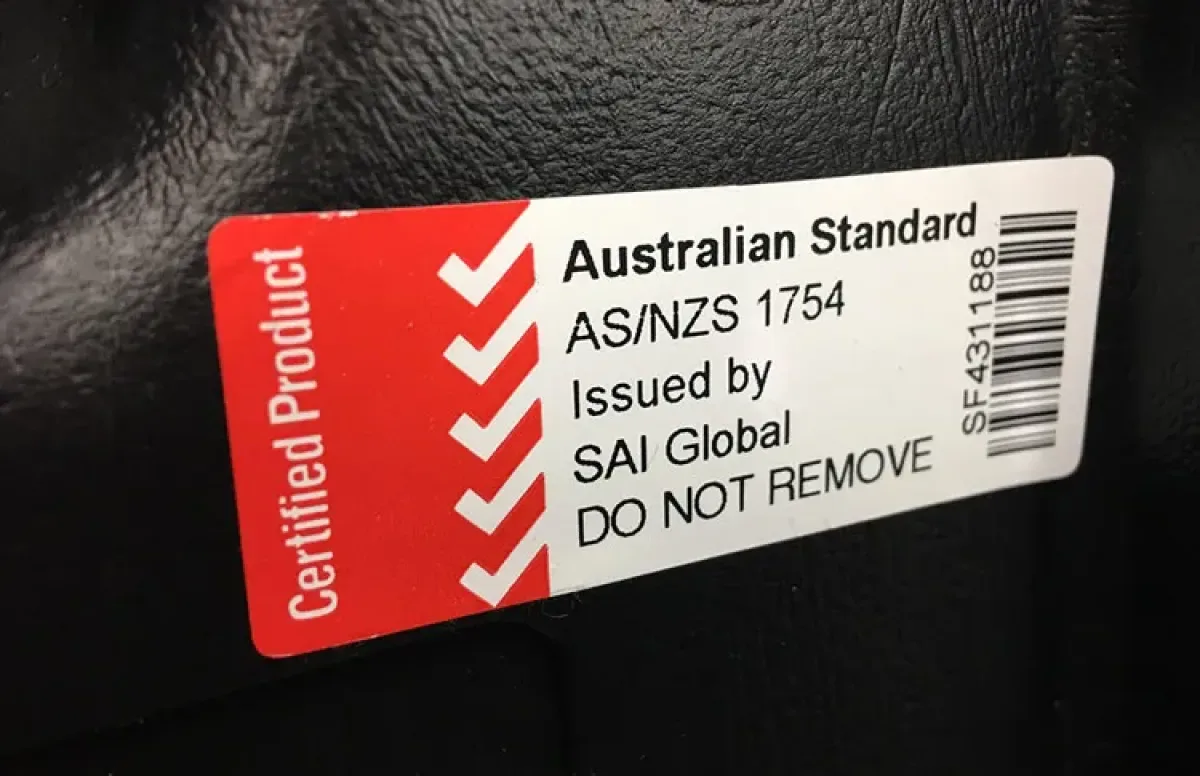
Not all car seats are equal. Look for labels showing compliance with recognised standards:
- Australia/New Zealand Standard AS/NZS 1754
- US Standard FMVSS 213 (with NZ 'S' mark)
- European Standards ECE 44 or ECE 129 (marked 'E')
- Other approvals like NZS 5411 for aviation use, but stick to road standards for cars.
These ensure the seat has been crash-tested to protect against Kiwi road conditions.

Types of Car Seats: Matching the Right One to Your Child
Car seats evolve as your tamariki grow. Here's a stage-by-stage guide based on NZ best practices.
1. Infant Capsules (Birth to Around 12 Months)
Start with rear-facing capsules for newborns. They're the safest, cushioning the head, neck, spine, and pelvis in a crash. Keep baby rear-facing until at least two years—or longer if they fit.
- Key features: Lightweight, portable with carry handle, often with a base for easy install/remove.
- Installation: Back seat only, at a 45-degree angle, firm—no wobble.
- Outgrown when: Baby's head is within 2.5cm of the top or hits max height/weight (check labels).
2. Rear-Facing Convertible Seats (6 Months to 4 Years)
Once out of the capsule, switch to a convertible seat that stays rear-facing longer. Studies show rear-facing cuts injury risk by 92% and fatality by 72%.
Never put rear-facing seats in the front—airbags are dangerous.
3. Forward-Facing Seats (Toddlers to Around 4-7 Years)
Switch forward-facing only when rear-facing limits are reached. Use a five-point harness.
4. Booster Seats (4-12 Years or Until 148cm Tall)
Boosters position the adult seatbelt correctly across the shoulder and pelvis. Keep kids in boosters until they're 148cm tall—that's when the belt fits without one. From preschoolers to school-age, pair with harness if needed.
| Stage | Age/Size Guide | Facing Direction | Key Safety Tip |
|---|---|---|---|
| Infant Capsule | Birth-12m / Up to 12kg | Rear | 45° angle, back seat only |
| Convertible | 6m-4y / Varies | Rear then Forward | Rear-face as long as possible |
| Forward-Facing | 1-7y / Harness limits | Forward | 5-point harness snug |
| Booster | 4y+ / Until 148cm | Forward | Belt low on hips, shoulder |
Buying Guide: How to Choose the Best Car Seat in NZ
With options galore at stores like Babies"R"Us, Trade Me, or online, focus on safety first. Aim for 2026 models with the latest ECE 129 standards for side-impact protection.
Top Factors for Kiwi Parents
- Fit Your Car: Test in your vehicle—does it install tightly? Check ISOFIX compatibility if your car has it (faster, safer).
- Child's Size: Buy with growth in mind—convertibles last longer, saving money.
- Budget: $200-$800 NZD. Don't skimp—look for sales but verify approvals.
- Ease of Use: No-rethread harnesses, machine-washable covers.
- Expiry Dates: Seats expire (usually 10 years)—check manufacture date.
Popular NZ Brands and Where to Buy
- Maxi-Cosi, Britax, Nuna: Reliable, AS/NZS approved.
- Second-Hand Warning: Avoid unless inspected—check for recalls via NZTA.
- Hiring: No longer from Plunket since 2016; try local baby stores or online rentals.
Pro Tip: Get it checked by a certified technician. Find one via NZTA's list.
Installation and Everyday Safety Tips
87% of car seats are installed wrong! Don't be a stat—follow these steps.
Correct Installation
- Read the manual and car handbook.
- Back seat preferred; front only for forward-facing without passenger airbag.
- Harness Fit: Pinch test—no slack. Bottom deep in seat, straps at/above shoulders for rear-facing.
- Ditch bulky jackets—add blanket after buckling.
Common Mistakes to Avoid
- Twisted straps or loose install.
- Switching to forward-facing too soon.
- Using without base if not designed for it.
For renters or campers (like Britz), pre-book and fit only to rear forward-facing seats.
FAQs: Car Seats NZ
1. Can I use an overseas car seat in NZ?
Yes, if it meets AS/NZS 1754, FMVSS 213, or ECE standards.
2. How do I know if my child has outgrown their seat?
Check height/weight markers or head within 2.5cm of top.
3. What's the fine for not using a car seat?
Infringement notice up to $150+ per child; driver liable. (Check NZTA for 2026 rates.)
4. Are ISOFIX seats better?
Yes, more secure and easier—ideal if your car supports it.
5. Can I take my car seat on a plane?
Approved ones yes (e.g., AS/NZS 1754); book a seat for under-2s.
6. When can my child stop using a booster?
At 148cm tall, when the seatbelt fits properly.
Next Steps: Keep Your Tamariki Safe
Ready to gear up? Measure your kids, test seats in-store, and book a free check with a NZTA-approved technician. Regular checks as they grow ensure ongoing protection. Drive safe, Kiwi whānau—your little ones are counting on you.
Related Articles

Screen Time Guidelines for Kiwi Kids
Ever caught your little one glued to a tablet, eyes wide and fingers flying? In Aotearoa, where Kiwi kids spend more screen time than most—up to 42 hours a week for teens—it's time to hit pause and re...

School Zones NZ: How They Work and Why They Matter
Choosing the right school for your tamariki can feel like navigating a map of coloured zones—literally. In Aotearoa, **school zones NZ** dictate where your child is guaranteed a spot, helping prevent...

Best Playgrounds in Christchurch: Family Guide
Christchurch has some of the best family playgrounds in Aotearoa, offering everything from award-winning attractions to hidden gems perfect for a weekend adventure. Whether you're looking for thrillin...

Kids Sports NZ: Costs and Options by Age
Getting your kids active in sports is one of the best gifts you can give them as a Kiwi parent—building fitness, teamwork, and lifelong habits. But with rising costs biting into household budgets, und...