Best Seasonal Jobs in New Zealand 2026: Fruit Picking, Vineyards and Resorts
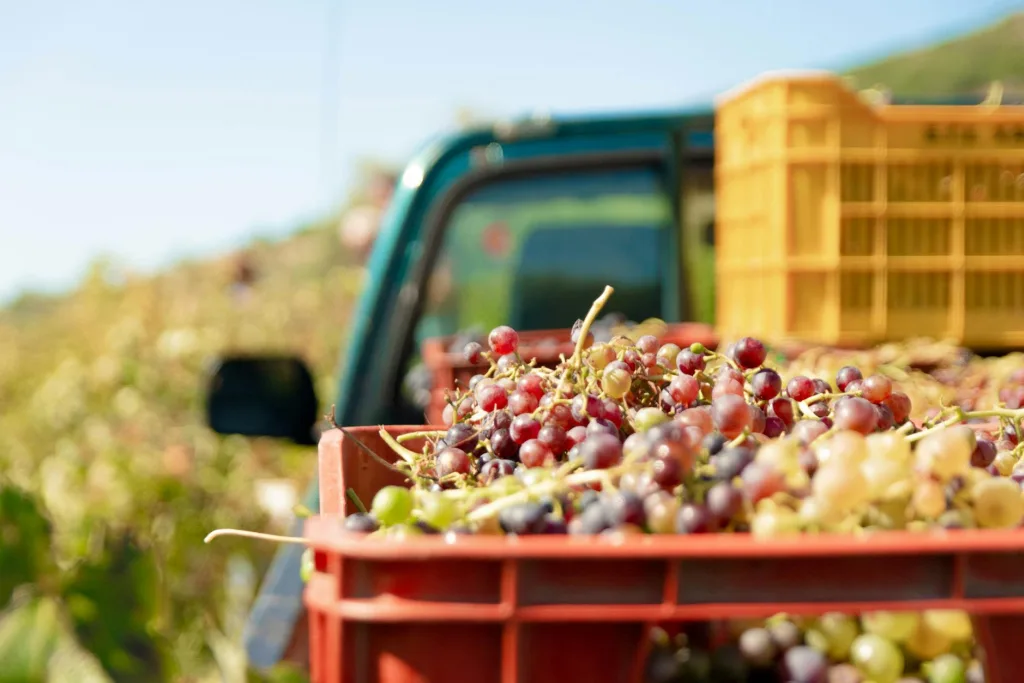
Seasonal work in New Zealand offers fantastic opportunities for those seeking flexible employment, whether you're a local looking to boost your income during peak periods or someone exploring differen...
Priya writes about immigration pathways, job searching, and building a career in New Zealand. She covers visa options, CV writing, interview preparation, and workplace culture for newcomers and locals alike.
Seasonal work in New Zealand offers fantastic opportunities for those seeking flexible employment, whether you're a local looking to boost your income during peak periods or someone exploring different industries. From fruit picking in the orchards to hospitality roles in mountain resorts, seasonal jobs provide genuine pathways to earn, gain experience, and sometimes discover your next career move. Let's explore what's available and how to land these roles in 2026.
Understanding Seasonal Work in New Zealand
Seasonal employment fills genuine gaps in New Zealand's labour market, particularly in horticulture, viticulture, and tourism. The Recognised Seasonal Employer (RSE) scheme allows the horticulture and viticulture industries to recruit workers from overseas for seasonal work when there aren't enough New Zealand workers available. This means there's consistent demand for seasonal roles, and competition for positions can vary depending on the season and region.
Employment forecasts show that while overall job growth is steady, opportunities vary by sector. Employment growth is forecast at 1.8% annually, adding about 47,000 workers on average per year to the workforce. However, the primary sector—which includes horticulture and viticulture—is expected to see weak to modest growth, meaning seasonal roles remain important for filling labour shortages during peak periods.
Top Seasonal Jobs in New Zealand 2026
Fruit Picking and Harvest Work
Fruit picking is one of the most accessible seasonal jobs in New Zealand. The work is available across multiple regions depending on the season:
- Spring/Summer (September to April): Apple, pear, and stone fruit picking in the Bay of Plenty, Hawke's Bay, and Central Otago
- Autumn (March to May): Kiwifruit harvesting, particularly in the Bay of Plenty
- Year-round opportunities: Blueberry and berry picking in various regions
Most fruit picking roles offer hourly wages plus potential bonuses based on productivity. You'll typically work outdoors in varying weather conditions, and the physical demands can be high. Many employers provide on-site accommodation or assistance finding housing, which is particularly valuable during peak seasons when local accommodation fills quickly.
Vineyard and Wine Industry Work
New Zealand's wine regions—Marlborough, Hawke's Bay, and Central Otago—offer seasonal vineyard work, particularly during harvest (February to April). The RSE scheme specifically supports viticulture recruitment, indicating consistent industry demand. Vineyard roles include:
- Grape picking and sorting
- Pruning and canopy management
- Cellar and winery support roles
- Packaging and labelling
Vineyard work can lead to more permanent positions if you perform well and express interest in staying. Some workers use seasonal vineyard roles as a stepping stone into wine tourism, hospitality, or vineyard management.
Resort and Tourism Hospitality
New Zealand's ski resorts and holiday destinations require significant seasonal staffing. Peak seasons include:
- Winter (June to September): Ski resort roles in Queenstown, Wanaka, and the Central Plateau
- Summer (December to February): Holiday resort and tourist attraction positions nationwide
- Year-round peaks: Easter, school holidays, and long weekends
Hospitality roles include accommodation staff, food and beverage positions, ski lift operators, and guest services. These roles often provide on-site accommodation and meals, which significantly reduces your living costs during the season.
Agricultural and Farm Work
Beyond fruit and grapes, seasonal farm work includes:
- Vegetable harvesting
- Dairy farm support during calving season
- Sheep and cattle mustering and shearing
- Nursery and plant propagation work
Farm work is often more physically demanding but can offer better hourly rates and the chance to develop practical skills valued in rural employment.
How to Find Seasonal Jobs
Online Job Platforms
Start with New Zealand's main job boards:
- Seek.co.nz – Filter by "seasonal" or location-specific searches
- Trade Me Jobs – Often lists regional seasonal opportunities
- Indeed.co.nz – Good for hospitality and farm work
Industry-Specific Recruitment
Contact employers directly or work with recruitment agencies specialising in seasonal labour. Many horticultural companies and resorts have dedicated seasonal hiring teams. Networking within these industries can give you early access to roles before they're publicly advertised.
Timing Your Applications
Apply 4-8 weeks before the season starts. For example:
- Fruit picking: Apply in July for September start dates
- Vineyard harvest: Apply in December for February start dates
- Ski resorts: Apply in April for June start dates
What Employers Look For
Seasonal employers prioritise reliability and availability. You'll typically need:
- A valid New Zealand work visa or work rights (if you're not a citizen)
- Physical fitness for demanding roles
- Flexibility with hours and willingness to work weekends
- A good attitude and team mindset
- Willingness to commit to the full season
For overseas workers, the RSE scheme requires workers to meet health and character requirements and provide evidence of arrangements to leave New Zealand at the end of their stay. RSE workers can stay in New Zealand for up to 7 months during any 11-month period, with exceptions for workers from Tuvalu and Kiribati, who can stay for 9 months because of the distance from New Zealand and the cost of travel.
Seasonal Work Pay and Conditions
Seasonal job pay varies significantly depending on the role, region, and employer. As of 2026, the legal minimum wage applies to all seasonal workers. Many seasonal positions offer:
- Hourly wages (often above minimum wage for skilled or physically demanding work)
- Piece-rate pay (common in fruit picking, where you're paid per kilogram picked)
- Accommodation and meals (reducing your living costs substantially)
- Bonuses or incentives for productivity or completing the full season
Always clarify pay arrangements and conditions before accepting a position. Get details in writing about hours, pay rates, accommodation, and any deductions.
Maximising Your Seasonal Income
Stack Multiple Seasons
Plan your year to work consecutive seasons. For example, you could work:
- Kiwifruit harvest (March to May)
- Then apple picking (September to November)
- Then ski resort work (June to August)
This approach keeps you earning throughout the year while taking breaks between seasons.
Develop Valuable Skills
Use seasonal roles to build experience. Roles in hospitality management, farm supervision, or wine production can lead to permanent positions or better-paying seasonal work in future years.
Manage Your Costs
Accept on-site accommodation when offered—this is often your biggest expense saving. Cook meals with other seasonal workers rather than eating out. Build a financial buffer during high-earning seasons to cover quieter periods.
Rights and Responsibilities as a Seasonal Worker
You have the same employment rights as permanent workers, including:
- The right to be paid at least the minimum wage
- Breaks and meal periods as per employment law
- Safe working conditions
- Protection from discrimination
- The right to join a union
If you have concerns about your employment conditions, contact the Employment Relations Authority or seek advice from a union or community legal service.
Getting Started This Season
Seasonal work offers genuine flexibility and earning potential. The key is planning ahead, understanding what you're signing up for, and choosing roles that fit your lifestyle and goals. Whether you're saving for a specific goal, exploring different industries, or building work experience, New Zealand's seasonal opportunities provide real pathways forward.
Start your search now if you're targeting roles in the next 4-8 weeks. Check job boards regularly, reach out to employers directly, and don't hesitate to ask questions before committing. Seasonal work can be rewarding—both financially and personally—when you go in with clear expectations and realistic planning.
Frequently Asked Questions
Sources & References
-
1
Recognised Seasonal Employer scheme research — www.immigration.govt.nz
-
2
Medium to long-term employment outlook: Looking ahead to 2026 — www.mbie.govt.nz
-
3
Minimum wage workers to get pay increase next year — www.rnz.co.nz