Selling Your Home? 10 Low-Cost Renovations That Add $50k in Value
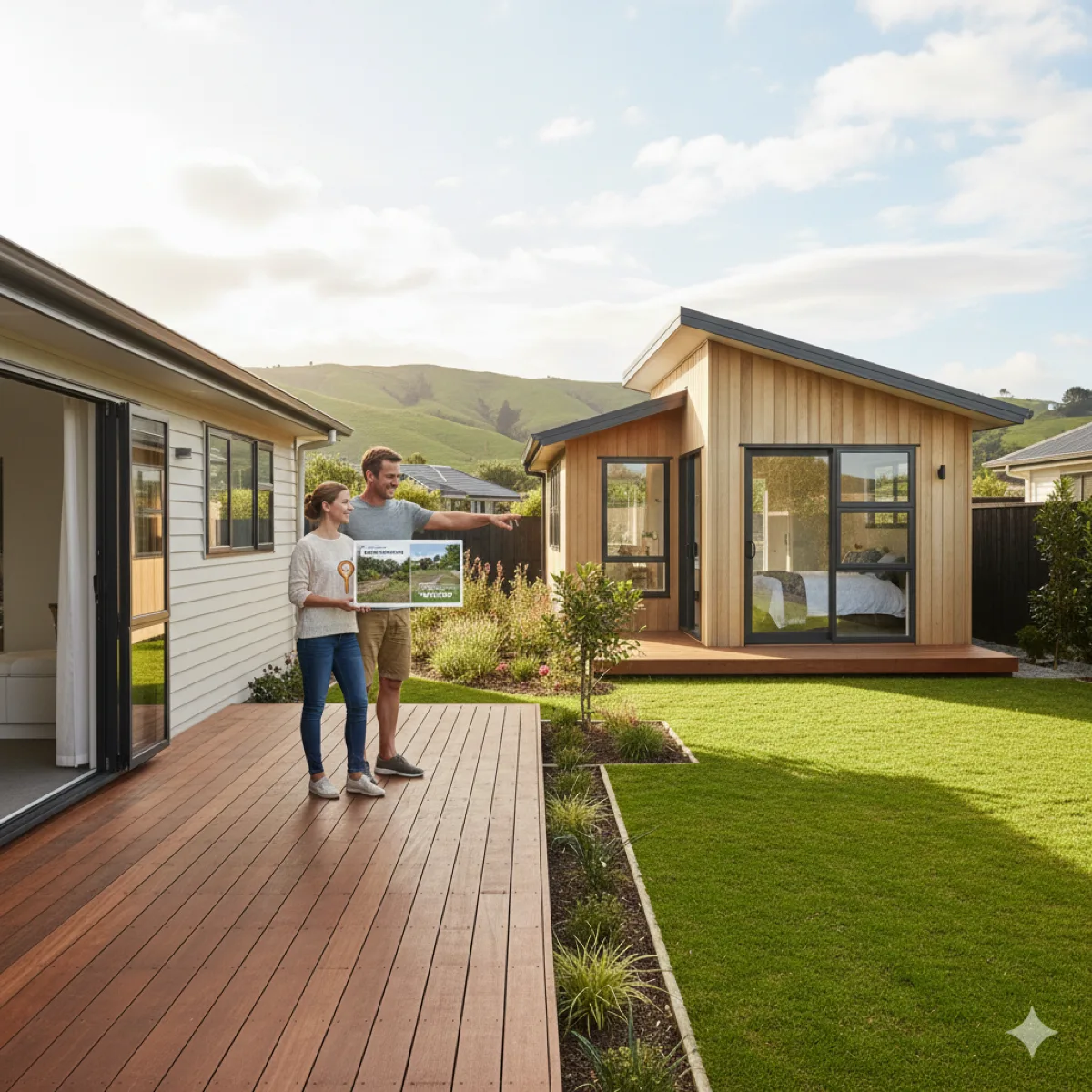
If you're planning to sell your home in New Zealand, you don't need to break the bank with a complete renovation to attract buyers and boost your sale price. The good news? Some of the most effective...
James writes about the New Zealand property market, renting, home ownership, and housing costs. He breaks down complex property topics into practical advice for renters and buyers.
If you're planning to sell your home in New Zealand, you don't need to break the bank with a complete renovation to attract buyers and boost your sale price. The good news? Some of the most effective improvements that add real value are surprisingly affordable. Whether you're looking to sell quickly or maximise your property's market appeal, strategic low-cost renovations can deliver impressive returns on investment.
Why Renovations Matter When Selling
Buyers form opinions fast, and first impressions count. When you're selling, your goal isn't just to make your home beautiful—it's to make it attractive to the widest possible audience while protecting your investment. Kitchen and bathroom renovations typically offer the highest return on investment (ROI), with experts estimating that for every $1 spent on a well-planned kitchen or bathroom update, you can add up to $1.50 to your property's value. But you don't need to renovate these spaces completely to see results.
The key is understanding which improvements deliver the best bang for your buck. Let's explore 10 low-cost renovations that can realistically add tens of thousands of dollars to your home's value.

10 Low-Cost Renovations That Add Significant Value
1. Fresh Paint (Interior and Exterior)
Don't underestimate the power of a fresh coat of paint. It's one of the highest-ROI renovations you can do because it's relatively inexpensive but transforms how buyers perceive your entire home. Fresh paint and good flooring yield some of the highest returns because they're low cost but dramatically change the feel of the house.
What to do: Stick to neutral colours like whites and soft greys throughout the interior. These create a bright, clean aesthetic that appeals to the broadest range of buyers. For your front door, consider painting it a darker colour such as black or charcoal—research suggests this simple change could increase your home's sale price by more than $6,000.
2. Improve Street Appeal
Your home's exterior is the first thing potential buyers see, and it shapes their perception of everything inside. Street appeal strongly influences perceived value, and in many cases, modest investments can significantly lift your home's visual impact.
Quick wins include:
- Repainting the front door or adding a new one
- Landscaping with low-maintenance native NZ plants
- Mulching and tidying garden beds
- Exterior washing or repainting
- Updated exterior lighting
- Repairing fencing, steps, or pathways
- Adding planter pots and pruning overgrown trees
These upgrades enhance presentation without major disruption and can make a significant difference to how buyers perceive your property.
3. Modernise Your Bathroom
Bathrooms are critical. Buyers will immediately deduct value for signs of mould, low water pressure, or dated fixtures. The good news? You don't need a full renovation to make an impact.
What to do: Focus on cleanliness and modernization. Replace old shower curtains with a glass screen, install a modern vanity, and ensure ventilation is up to code. Bathroom renovations can provide a return of up to 64 per cent. A clean, neutral bathroom implies the rest of the house is well-maintained and removes the "expensive and difficult to fix" barrier that deters buyers.
4. Update Kitchen Fixtures and Tapware
You don't need a complete kitchen overhaul to add value. Simple upgrades to fixtures and tapware can make a noticeable difference without the massive expense.
What to do: Replace old taps with modern, sleek versions. Update cabinet hardware. If your kitchen cabinets are structurally sound but look dated, a fresh coat of paint or stain can work wonders. Choose timeless pieces and avoid trendy finishes that might feel dated in a few years.
5. Polish or Replace Flooring
Old, stained carpet is a red flag for buyers. Rip it up and either polish the native timber floors underneath or install modern, durable flooring. This makes the home smell new and look brighter, removing the "lived-in" feel of the previous owner.
Budget options: If native timber floors are underneath, professional polishing is far cheaper than new flooring. If you need to replace carpet, consider vinyl plank flooring—it's durable, affordable, and increasingly popular with buyers.
6. Add a Second Bathroom
If you have space, adding a second bathroom can increase your home's value more than adding an extra bedroom, especially in areas where homes typically have fewer bathrooms. This is particularly valuable in older homes or properties with only one bathroom.
Why it works: Buyers view bathrooms as expensive and difficult to fix. A second bathroom removes this concern and significantly increases final sale price while reducing the time your property spends on the market.
7. Upgrade Lighting
Fresh lighting transforms how a home feels. Replace old, dated light fixtures with modern alternatives. This includes ceiling lights, wall sconces, and exterior lighting.
What to do: Focus on creating bright, welcoming spaces. Good lighting makes rooms feel larger and more inviting. Consider LED lighting for energy efficiency—a feature increasingly sought after by buyers.
8. Improve Energy Efficiency
Upgrading insulation, installing double-glazed windows, and adding energy-efficient heating and ventilation systems make your home more comfortable and reduce energy bills. These improvements are increasingly sought after by buyers.
Focus areas: In New Zealand's climate, moisture management is critical. Bathroom and kitchen ventilation upgrades are particularly valuable. If you're replacing windows, double-glazing is now expected in most properties.
9. Update Tapware Throughout
New fixtures and tapware in bathrooms and kitchens signal modernization and cleanliness. This is a relatively low-cost upgrade that makes a visible difference.
10. Create Outdoor Living Space
Projects like building a deck, adding a pergola, or creating outdoor living areas are valuable. Even simple improvements like a well-maintained patio or garden seating area appeal to buyers looking for lifestyle benefits.
How to Calculate Your Renovation ROI
Before you start any renovation, understand your potential return. ROI is calculated by subtracting the cost of the renovation from the added value, then dividing that number by the cost of the renovation. The result is expressed as a percentage.
For example: If you spend $5,000 on bathroom updates and your home's value increases by $7,500, your ROI is 50 per cent.
To assess added value, get professional appraisals, compare with similar properties on the market, or consult with real estate agents about what improvements will resonate with buyers in your area.
2026 Renovation Trends in New Zealand
As we head into 2026, renovation trends favour longevity over fashion. The strongest projects focus on thoughtful, well-balanced upgrades that enhance both comfort and long-term value.
Key trends include:
- Softer, warmer interiors that feel calm
- Timeless design choices that protect resale value
- Well-designed extensions that respect the original home's character
- Focus on durability and compliance with building standards
Avoid chasing short-lived trends. Instead, choose classic finishes for permanent elements and save bolder design choices for items that can be changed later.
Practical Tips for Maximum Value
Prioritise high-value renovations. Focus on kitchen and bathroom upgrades, improving street appeal, and adding usable space. Avoid expensive, niche improvements that may not appeal to a broad range of buyers.
Consult professionals. Seek advice from real estate agents, architects, and builders to understand which renovations are likely to yield the best ROI in your area. Your local real estate agent knows what buyers in your neighbourhood want.
Choose neutral colours and timeless finishes. When redecorating, stick to whites, soft greys, and other neutrals. These appeal to the widest audience and help buyers imagine their own style in the space.
Focus on cleanliness and maintenance. A clean, well-maintained home always sells better than a neglected one. Sometimes the best "renovation" is simply deep cleaning and making repairs.
Next Steps: Getting Started
Ready to boost your home's value before selling? Here's what to do:
- Get a professional appraisal to understand your home's current value and what improvements would appeal to buyers in your area.
- Consult with a local real estate agent about which renovations will deliver the best return in your neighbourhood.
- Prioritise high-ROI improvements like bathroom updates, fresh paint, and street appeal.
- Get quotes from multiple tradespeople to ensure you're getting good value for money.
- Focus on quality and cleanliness rather than trendy finishes that might feel dated quickly.
- Plan your timeline so renovations are complete well before you list your property.
Remember, the goal isn't to create a showroom—it's to make your home attractive, well-maintained, and appealing to the widest possible range of buyers. Strategic, low-cost renovations that focus on first impressions, cleanliness, and modern conveniences will deliver the best results when it's time to sell.
Frequently Asked Questions
Sources & References
-
1
How Much Do Renovations Increase Home Value? — www.riseresidential.co.nz
-
2
Which Renovations Add the Most Value to Your NZ Home? (2026) — www.completerenovation.co.nz
-
3
How to Increase Your Home Value in 2026 — www.become.nz
-
4
Home Improvement Projects That Add Real Value — www.unveilarchitects.com
Related Articles
First Home Grant NZ: How to Get Up to $10000
Buying your first home is one of the biggest financial decisions you'll make, and the New Zealand government wants to help. The First Home Grant puts up to $10,000 directly towards your deposit, makin...

Why 2026 is the Hardest Year to Buy a Home (and How to Beat the Odds)
Imagine standing at the edge of the property ladder in 2026, eyeing your dream home while prices hover stubbornly high, listings pile up, and buyer confidence wavers. For Kiwis, this year feels toughe...
Buying Your First Home in 2026: A Step-by-Step NZ Checklist
Imagine standing in your own Kiwi bach or cosy family home, keys in hand, after years of renting. In 2026, with interest rates stabilising and first-home schemes still strong, buying your first home i...

Tiny Homes in NZ: Legal Hurdles and Living Realities
Imagine downsizing your life into a cosy 70-square-metre haven on your own section, free from the hassle of building consents and council red tape. For Kiwis grappling with sky-high housing costs, tin...