Oil Column Heaters: Safe Heating for Bedrooms and Living Areas
As winter chills sweep across New Zealand, many Kiwis turn to reliable heating solutions that keep bedrooms and living areas cosy without compromising safety. Oil column heaters stand out as a popular...
Daniel covers technology, cybersecurity, and small business topics for Lifetimes NZ. He breaks down tech news and digital trends for a general audience.
As winter chills sweep across New Zealand, many Kiwis turn to reliable heating solutions that keep bedrooms and living areas cosy without compromising safety. Oil column heaters stand out as a popular choice, offering steady, flameless warmth that's ideal for our homes—from Auckland apartments to Southland farmhouses.
Why Choose Oil Column Heaters for Your Home?
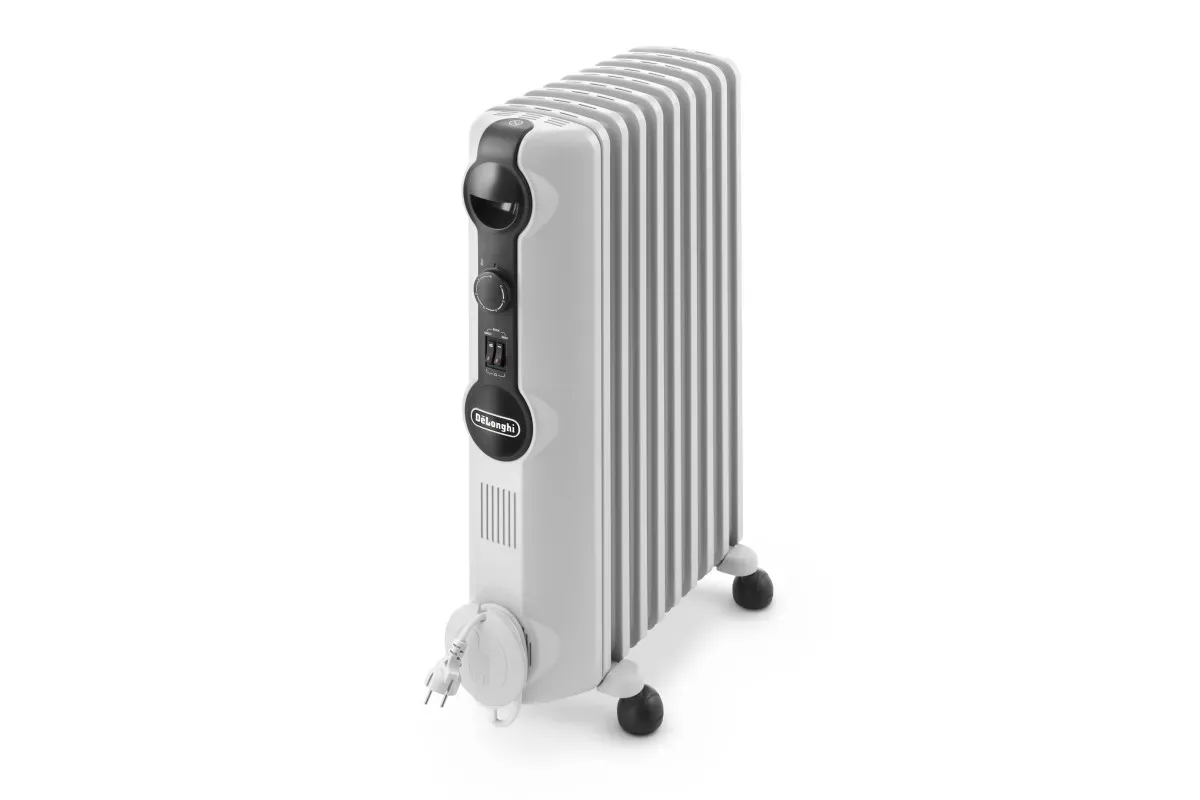
Oil column heaters, also known as oil-filled radiators, work by heating a sealed column of special mineral oil using an electric element. The oil retains heat longer than traditional elements, releasing it gradually even after switching off, which makes them energy-efficient for maintaining comfortable temperatures. Unlike flued gas heaters or woodburners, they produce no emissions, making them suitable for indoor use without ventilation concerns.
In New Zealand's variable climate, these heaters excel in bedrooms and living areas where consistent, dry-free heat is needed. They're completely reliant on electricity, like most portable heaters, but their design minimises hot spots and reduces fire risks compared to bare-element models.
Safety Features That Matter for Kiwi Families
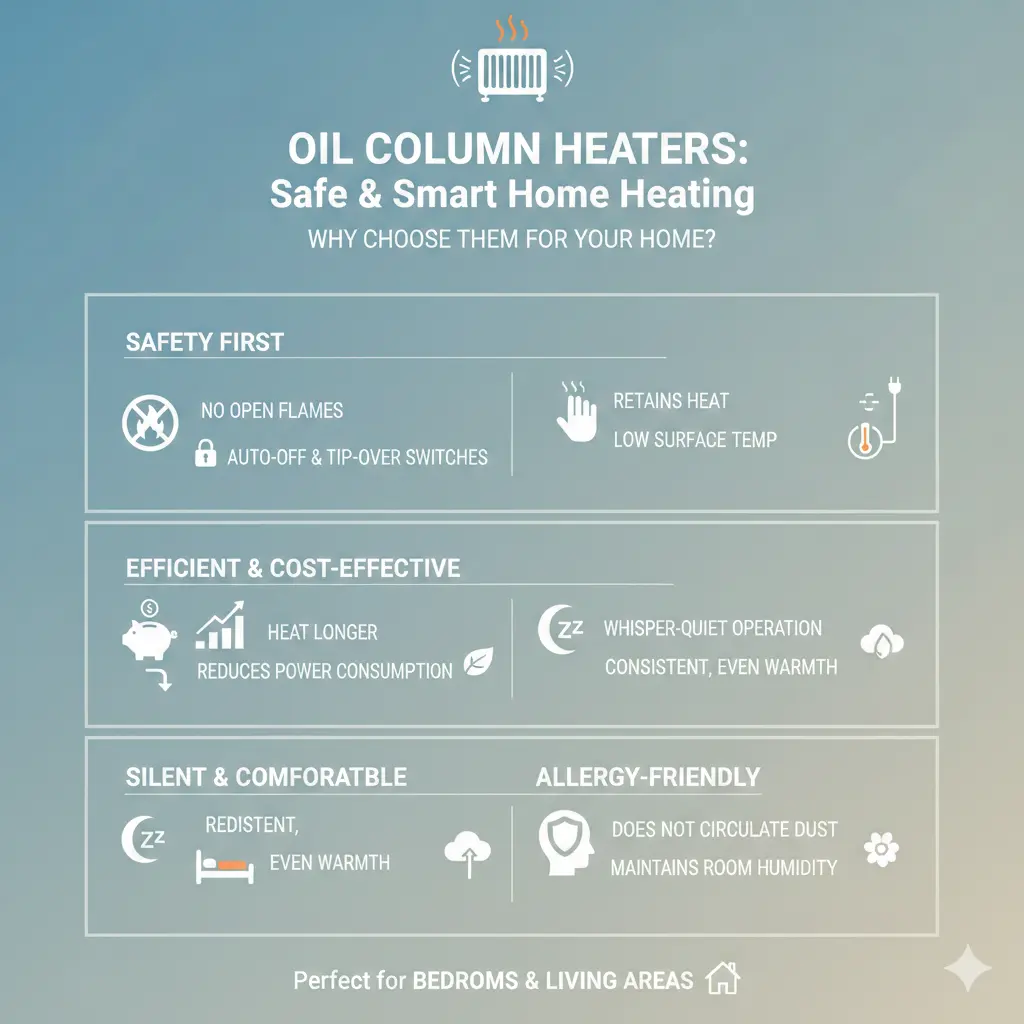
Safety is paramount, especially with children or elderly whānau members around. Modern oil column heaters come with built-in tip-over switches that cut power if knocked over, and overheat protection to prevent fires. WorkSafe New Zealand recommends keeping them at least one metre from bedding, curtains, furniture, or any combustible materials to avoid hazards.
These heaters don't glow red-hot like radiant models, so they're safer on carpeted floors common in Kiwi lounges—just ensure they're on a level surface. For rentals, note that while portable oil column heaters aren't fixed units, they're often used to supplement compliant heating in main living rooms under the Healthy Homes Standards.
Are Oil Column Heaters Legal and Compliant in New Zealand?
Yes, oil column heaters are fully legal for residential use across Aotearoa, with no specific building consents required for portable models, unlike woodburners or pellet burners that need council approval and specialist installation. They comply with electrical safety standards under the Electricity (Safety) Regulations, and manufacturers like those from Cooke Industries confirm adherence to the Health and Safety at Work Act requirements.
For landlords, the Residential Tenancies Act's Healthy Homes Standards mandate fixed heaters capable of warming the main living room to 18°C, such as heat pumps or flued units—portable electrics like oil columns can only top up pre-2019 installations if under 2.4kW for larger spaces. Breaches can lead to fines up to $7,200, so check with Tenancy Services if you're renting.
In regions like Canterbury, where air quality rules are strict, oil columns shine as they're emission-free, avoiding the need for authorised burner lists from ECan. Always buy from reputable retailers ensuring AS/NZS compliance, updated in recent regulations.
Pros and Cons of Oil Column Heaters
Here's a quick breakdown to help you decide:
- Pros: Silent operation (no fan noise), no drying air like fan heaters, portable with castors, long-lasting heat retention, low running costs for small-medium rooms.
- Cons: Slower to heat up (20-30 minutes), heavier than panel heaters, not ideal for very large open-plan areas without multiple units.
| Feature | Oil Column Heater | Typical Fan Heater | Heat Pump |
|---|---|---|---|
| Heat-up Time | Slow (gradual) | Fast | Medium |
| Running Cost (per hour, avg. 1.8kW) | 50-60c (2026 rates) | 50-60c | 20-30c |
| Safety for Bedrooms | High (flameless) | Medium | High (fixed) |
| Emissions | None | None | Low |
Note: Costs based on average 2026 electricity rates of 28c/kWh; check Powerswitch for your supplier.
Practical Tips for Safe and Efficient Use in NZ Homes
Choosing the Right Size
Match wattage to room size: 1200-2000W for bedrooms (10-15m²), 2000-2400W for living areas (20-30m²). Use EECA's guide to calculate needs based on insulation and ceiling height. Look for models with thermostats and timers to avoid overuse.
Installation and Placement
- Place on a stable, flat surface away from wet areas like bathrooms—never use near baths or showers.
- Ensure 1m clearance from flammables; mount controls high if using timers unless over 1.8m.
- Plug directly into wall sockets, not extensions, to prevent overloads.
- For oil leaks (rare), contact the manufacturer—DIY repairs void warranties and safety.
Maintenance and Disposal
Clean dust from fins annually with a dry cloth (unplugged). When retiring one, follow local council guidelines for oil disposal to protect our environment—don't tip it down drains.
In rentals, tenants can use portables but must follow house rules; landlords, ensure fixed compliance via the Healthy Homes toolkit.
Cost Savings and Energy Efficiency
With electricity prices steady at around 28c/kWh in 2026, oil columns cost about 50c/hour on high, but thermostats keep them economical. Pair with ceiling insulation and curtains for best results, as per Building Performance guidelines. They're cheaper upfront than heat pumps ($200-500 vs $5,000+ installed).
Stay Warm Safely This Winter
Oil column heaters offer a safe, reliable way to heat bedrooms and living areas without the hassles of combustion appliances. Prioritise models with robust safety certifications, follow WorkSafe tips, and combine with good insulation for cosy, efficient warmth. Ready to upgrade? Compare models at local retailers, check your power plan on Powerswitch, and consult Tenancy.govt.nz if renting. Sweet dreams in a toasty home!
Frequently Asked Questions
Sources & References
-
1
Heating your home — Building Performance (building.govt.nz) — www.building.govt.nz
-
2
Heating standard — Tenancy Services (tenancy.govt.nz) — www.tenancy.govt.nz
-
3
Electrical equipment and appliances - Safety Information — WorkSafe NZ (worksafe.govt.nz) — www.worksafe.govt.nz
-
4
Authorised burners — Environment Canterbury (ecan.govt.nz) — www.ecan.govt.nz
- 5
- 6
-
7
Thermal Oil Heater - Heating - Cooke Industries (cookeindustries.co.nz) — cookeindustries.co.nz
-
8
Types of electric heater and how to use them — EECA (eeca.govt.nz) — www.eeca.govt.nz
Useful Tools
Related Articles

iPad Pro: Premium Tablet for Creative Professionals
If you're a creative professional in New Zealand looking for a tablet that can handle demanding work, the iPad Pro with the M5 chip might be exactly what you need. Whether you're editing videos, desig...
Handheld Vacuum Cleaners: Quick Cleanup Solutions
Handheld vacuum cleaners have become essential tools for Kiwi households, offering quick cleanup solutions without the hassle of dragging out a full-size vacuum. Whether you're dealing with crumbs on...

French Door Refrigerators in NZ: Luxury Cooling with Style
If you're looking to upgrade your kitchen with a stylish and spacious refrigerator, a French door fridge might be exactly what you need. These elegant appliances have become increasingly popular in Ne...
Chest Freezers in New Zealand: Bulk Storage for Rural Properties
If you're living on a rural property in New Zealand, a chest freezer isn't just a convenience—it's a practical investment for storing homekill, bulk meat purchases, garden produce, and fish. Whether y...