Best Heat Pump Dryers in New Zealand: Energy-Efficient Drying Solutions
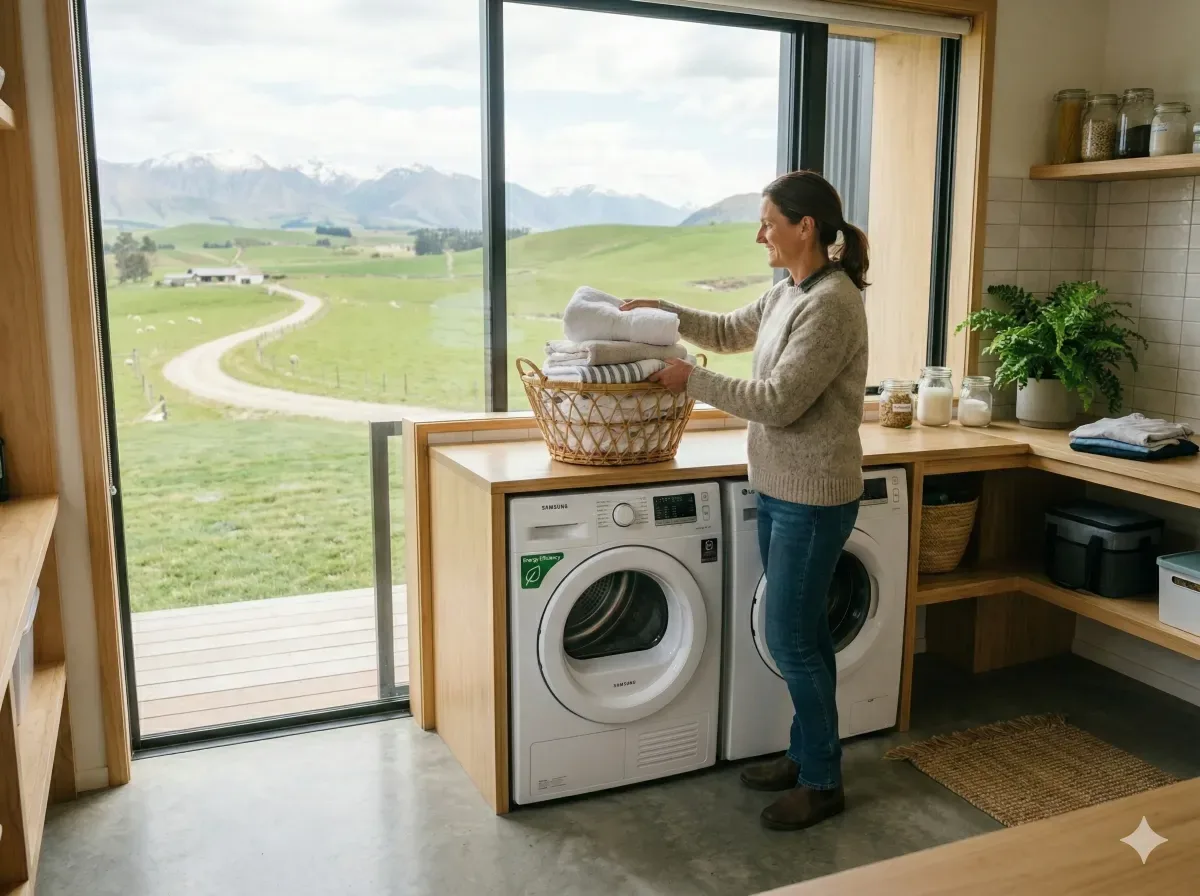
If you're looking to cut your laundry energy costs and reduce your household's carbon footprint, a heat pump dryer could be one of the smartest investments you make. Unlike traditional vented dryers,...
Daniel covers technology, cybersecurity, and small business topics for Lifetimes NZ. He breaks down tech news and digital trends for a general audience.
If you're looking to cut your laundry energy costs and reduce your household's carbon footprint, a heat pump dryer could be one of the smartest investments you make. Unlike traditional vented dryers, heat pump models use around 60% less energy, which means significant savings on your power bill year after year. Whether you're renovating your home, upgrading an older appliance, or simply want to make a greener choice, understanding what makes heat pump dryers different—and which models suit your needs—will help you make the right decision for your whānau.
Why Heat Pump Dryers Are Game-Changers for Kiwi Homes
Heat pump dryers have become increasingly popular in New Zealand, now making up around 45% of new dryer purchases. There's good reason for this surge in popularity: they're the most energy-efficient drying technology available on the market today.
How Much You'll Actually Save
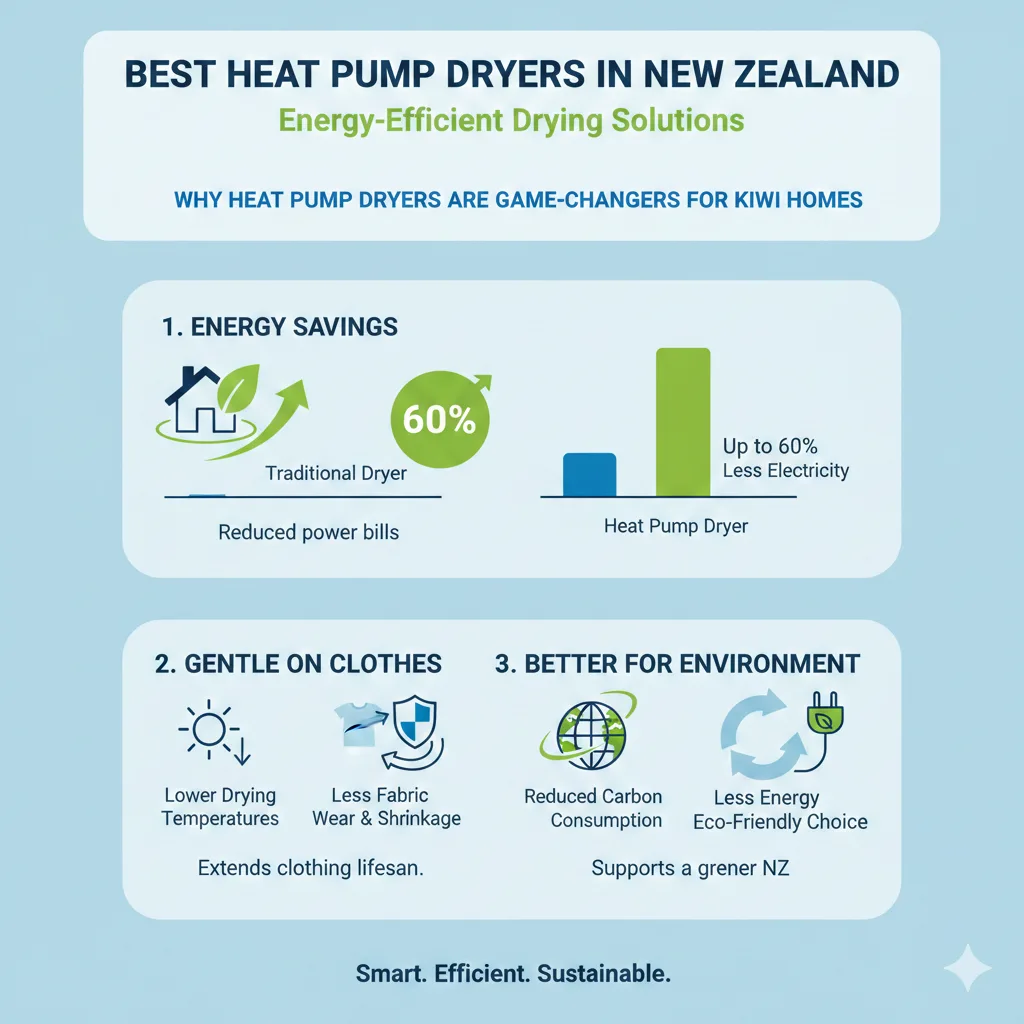
The numbers speak for themselves. A typical vented dryer uses around 5 kWh per cycle, while a heat pump dryer uses only 2–3 kWh. For a household doing regular laundry, this difference adds up to hundreds of dollars annually. If you use a 7 kg clothes dryer once a week, switching from a 2-star vented model to a 9-star heat pump dryer could save you $48 per year, or $528 over 11 years. That's real money in your pocket.
When comparing specific models, the savings are even clearer. Heat pump dryers on the market today have estimated annual running costs of around $60 or less, while vented models cost roughly twice that. Some premium heat pump models, like the Bosch Series 6 with a 9-star energy rating, run at just $40 per year.
Environmental Impact That Matters
Beyond your power bill, switching to a heat pump dryer reduces your laundry-related CO2 emissions by 50–75% or more. Using that same 7 kg dryer once weekly, you'd reduce your emissions by 66% compared to a 2-star model. For Kiwis committed to reducing their environmental footprint and supporting a cleaner Aotearoa, this is a meaningful contribution.
How Heat Pump Dryers Work
Understanding the technology helps explain why these dryers are so efficient. Heat pump dryers use a closed-loop system that recycles air rather than venting it outside. Here's the process:
- Warm air circulates through the drum, evaporating moisture from your clothes
- The moist air passes through a condenser coil, where it cools and releases moisture as water
- The cooled, dehumidified air is reheated and circulated again, repeating the cycle until clothes are dry
This recycling of air means significantly less electricity is needed compared to traditional dryers that continuously expel warm air outside.
Key Advantages of Heat Pump Dryers for Kiwi Households
Flexibility in Installation
One major advantage: heat pump dryers don't require external venting. This makes them perfect for apartments, heritage homes, rental properties, and homes where venting outdoors isn't practical. You can place them almost anywhere—no need for a vent to the outside wall.
Gentler on Your Clothes
Heat pump dryers operate at lower temperatures than conventional dryers, meaning less shrinking, stretching, and colour fading. Your clothes last longer, which adds to your long-term savings and reduces waste.
Performance Across New Zealand's Seasons
Whether you're in damp Wellington winters or humid Auckland summers, heat pump dryers maintain consistent efficiency. Their dehumidifying action is especially beneficial during wet winters, reducing drying times and energy use compared to conventional dryers that often struggle in humid conditions.
Advanced Features
Modern heat pump dryers come packed with smart technology. Many models feature automatic moisture sensing that stops the cycle when clothes are perfectly dry, preventing over-drying and saving energy. Others include anti-crease functions, delay start options, and specialised cycles for delicate fabrics and synthetics.
Understanding Energy Star Ratings
When shopping for a dryer, the Energy Star rating is crucial. Heat pump dryers typically have ratings between 7 to 9 Energy Stars, while vented dryers usually sit at just 2 Stars. The higher the rating, the more efficient the model and the lower your running costs. Look for the Energy Rating Label on any dryer you're considering—it's your best guide to long-term savings.
Popular Heat Pump Dryer Models in New Zealand
Several quality heat pump dryers are readily available to Kiwi households. The Bosch Series 6 9kg Heat Pump Dryer comes with a 7-star energy rating and annual running costs around $60. For those wanting maximum efficiency, the Bosch Series 6 8kg model with 9 stars runs at just $40 annually.
Haier's 300 Series Heat Pump Dryers offer cost-effective options with up to 15 dry cycles, while their 500 Series includes a 'Speed up' feature for quick drying when time is limited. Midea's range includes models with Smart Cycle Selection that automatically senses dryness and stops the cycle at the right time.
One Trade-Off to Consider
Heat pump dryers do take slightly longer to dry clothes compared to conventional dryers, since they operate at lower temperatures. However, modern models are designed to optimise drying time without sacrificing efficiency. Most also include quick-dry features for smaller loads when you're in a hurry.
Frequently Asked Questions
How much does a heat pump dryer cost upfront?
Heat pump dryers typically cost more at purchase than vented models. However, a heat pump dryer can save several hundred dollars across its lifespan compared to a vented model of the same size, effectively cancelling out the higher upfront cost.
Do I need external venting for a heat pump dryer?
No—one of the key advantages is that heat pump dryers don't require external venting. Water removed from your clothes is collected in a tank you empty after each use, or can be plumbed in directly.
How often should I use a heat pump dryer to see savings?
Even households using a dryer just once weekly see significant savings. Using a 7 kg dryer once per week with a 9-star model saves $48 annually compared to a 2-star vented dryer.
Are heat pump dryers suitable for all fabric types?
Yes. Heat pump dryers operate at lower temperatures, making them gentler on all fabric types. Most models include specialised cycles for delicate fabrics, synthetics, and other specific needs.
Will a heat pump dryer work well in New Zealand's damp climate?
Absolutely. Heat pump dryers are especially effective in damp conditions. Their dehumidifying action works well during wet winters and humid summers, maintaining consistent efficiency year-round.
What should I look for when comparing models?
Check the Energy Star rating (aim for 7 or higher), the annual running cost estimate, drum capacity to suit your family size, and special features like moisture sensing or quick-dry options.
Making Your Decision
Choosing a heat pump dryer is an investment in both your household budget and New Zealand's environmental future. Whether you're replacing an old vented dryer or upgrading for the first time, the energy savings and lower environmental impact make heat pump models the clear winner. Consider your space constraints, family size, and budget, then look for a model with a strong Energy Star rating from a trusted retailer.
Check out the Energy Rating Label on any model you're considering—it's your best tool for comparing long-term costs. With savings of $40–$60 annually on running costs alone, plus reduced fabric wear and a smaller carbon footprint, a heat pump dryer is one of the smartest appliance choices you can make for your Kiwi home.
Useful Tools
Related Articles

iPad Pro: Premium Tablet for Creative Professionals
If you're a creative professional in New Zealand looking for a tablet that can handle demanding work, the iPad Pro with the M5 chip might be exactly what you need. Whether you're editing videos, desig...
Handheld Vacuum Cleaners: Quick Cleanup Solutions
Handheld vacuum cleaners have become essential tools for Kiwi households, offering quick cleanup solutions without the hassle of dragging out a full-size vacuum. Whether you're dealing with crumbs on...

French Door Refrigerators in NZ: Luxury Cooling with Style
If you're looking to upgrade your kitchen with a stylish and spacious refrigerator, a French door fridge might be exactly what you need. These elegant appliances have become increasingly popular in Ne...
Chest Freezers in New Zealand: Bulk Storage for Rural Properties
If you're living on a rural property in New Zealand, a chest freezer isn't just a convenience—it's a practical investment for storing homekill, bulk meat purchases, garden produce, and fish. Whether y...