Smart Home Tech: 5 Gadgets to Lower Your NZ Energy Bills
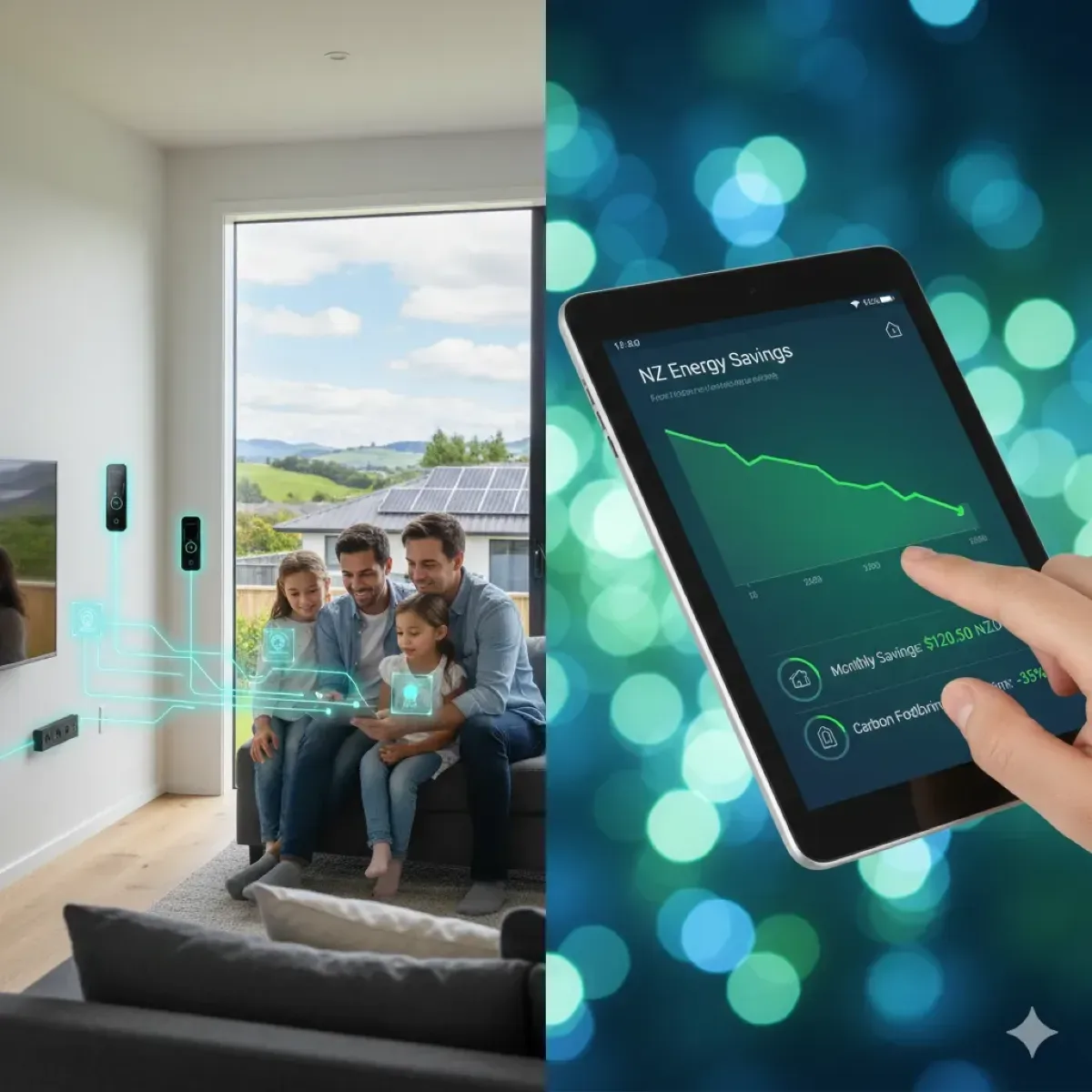
Struggling with rising power bills in your Kiwi home? You're not alone—household electricity use is climbing, but smart home tech offers a clever way to fight back, potentially slashing costs by up to...
Daniel covers technology, cybersecurity, and small business topics for Lifetimes NZ. He breaks down tech news and digital trends for a general audience.
Struggling with rising power bills in your Kiwi home? You're not alone—household electricity use is climbing, but smart home tech offers a clever way to fight back, potentially slashing costs by up to 16% or more with simple gadgets. These five must-have devices can automate your energy use, shift loads to off-peak times, and integrate with New Zealand's push towards flexible electricity, all while fitting seamlessly into everyday life.
Why Smart Home Tech is a Game-Changer for Kiwi Households
Smart home technology is booming in New Zealand, with households increasingly turning to devices that boost convenience, security, and—crucially—energy efficiency. As we head into 2026, the focus on sustainability means more Kiwis are eyeing gadgets that monitor and control power-hungry appliances like hot water cylinders and heat pumps, which dominate our energy bills.
According to EECA pilots, retrofitting with smart kits can deliver immediate savings without changing your lifestyle. Imagine shifting usage to off-peak hours when power is cheaper, reducing grid strain, and even earning credits if you have solar. New Zealand's electricity market rewards flexibility, and with tools like the Energy Rating Label, picking efficient gear is straightforward.
Plus, these aren't just fancy toys—they comply with best practice guidance from Standards New Zealand and EECA, ensuring interoperability so you're not locked into one brand. Ready to dive in? Here are the top five gadgets tailored for NZ homes.
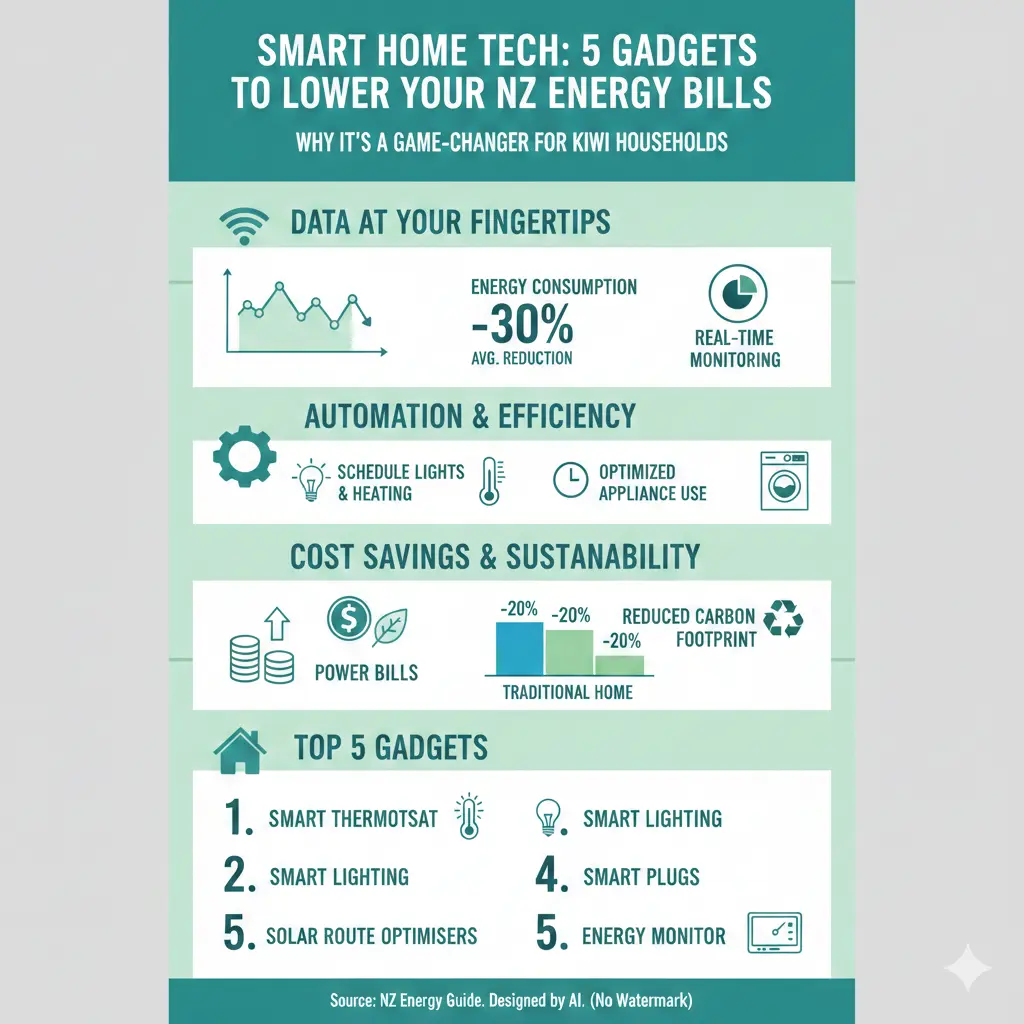
1. Smart Hot Water Cylinder Controllers
Hot water heating guzzles about 30% of the average Kiwi household's electricity. A smart hot water controller like those tested by EECA fixes this by heating water only when demand is low or solar is generating power.
How It Works and Saves You Money
These devices connect via Wi-Fi or low-cost kits, learning your habits and boosting the cylinder only during off-peak tariffs—often overnight when rates drop. EECA's Flextalk pilot showed average 16% bill reductions, jumping to over 50% for solar-equipped homes.
- Installation: Retrofit existing cylinders in under an hour; no plumber needed for basic models.
- NZ Compatibility: Works with major providers like Contact Energy or Meridian's time-of-use plans.
- Cost: $200–$500 upfront, payback in 1–2 years via savings of $200+ annually.
Pro tip: Pair with your power company's app for automatic demand response—EECA recommends checking interoperability first.
2. Smart Thermostats for Heat Pumps
Heat pumps are staples in NZ for efficient heating and cooling, but they spike bills if run poorly. Enter smart thermostats like Nest or Kiwi-favoured alternatives, which optimise runtime based on weather, occupancy, and off-peak windows.
Real Savings in Aotearoa
By pre-heating homes before peak hours and using geofencing (detecting when you're home), these cut usage by 10–20%. EECA notes they integrate with HomeFit assessments for healthier, warmer homes.
- Key Features: App control, voice integration with Google Home or Alexa, and energy reports.
- NZ Specifics: Handles our variable climate; look for Energy Star ratings matching NZ labels.
- Investment: $250–$400, with rebates via some providers or Warmer Kiwi Homes if eligible.
Actionable advice: Use EECA's efficient appliance calculator to model your savings before buying.
3. Smart Plugs and Power Strips
Standby power from TVs, chargers, and appliances wastes up to 10% of your bill. Smart plugs turn any device into a controllable one, scheduling shut-offs and monitoring usage via apps.
Easy Wins for Everyday Kiwis
Simple to use: Plug in, connect to Wi-Fi, and set rules like "off at 11pm" or "only when solar is active." Early adopters report 15% drops in non-essential loads.
- Best Picks: Models with energy metering; avoid cheap imports without NZ plugs.
- Integration: Links with IFTTT for whole-home scenes, e.g., "movie night" dims lights and pauses heating.
- Affordable Start: $20–$50 per plug; start with high-draw items like gaming consoles.
Check govt.nz for free Healthy Home checks to identify power hogs first.
4. Energy Monitoring Systems (Whole-Home Dashboards)
Knowledge is power—literally. Whole-home monitors like Emporia or NZ-supported Sense track usage in real-time, pinpointing wasteful appliances down to the circuit.
Tailored for NZ Energy Plans
These dashboards reveal patterns, like peak hot water use, and suggest shifts. EECA guidance stresses user-friendly apps for "set and forget" management. Pilots show 16% average savings from insights alone.
- Setup: Clamps onto your meter board; professional install $300–$600.
- Bonus: Solar and EV integration; export excess to the grid for credits.
- ROI: Pays back in months for high-usage homes (e.g., families of four).
Combine with Chorus broadband for seamless remote access.
5. Smart Induction Cooktops and Kitchen Gadgets
Induction cooktops are EECA's top pick for efficiency—up to 90% energy transfer vs 60% for gas. Smart versions add timers, auto-shutoff, and recipe integration to avoid overuse.
Kitchen Efficiency for Busy Kiwis
With NZ's smart kitchen market growing, these pair with apps for off-peak cooking. Features like inverter tech and eco-modes align with Energy Rating Labels.
- Why Now: Rising gas costs make electric induction a winner; rebates via some councils.
- Add-Ons: Smart fridges that pre-cool during cheap hours.
- Cost: $1,500–$3,000 installed, but lifetime savings hit thousands.
Upgrade tip: Size to your household—don't oversize for efficiency.
Getting Started: Practical Tips for NZ Homes
Start small: Audit your energy with EECA's free tools, then prioritise hot water and heating. Look for PAS-compliant devices for easy integration.
- Compare power plans yearly via govt.nz.
- Check for incentives like Low-Income Households Energy Support.
- Test interoperability—avoid proprietary lock-in.
- Do a HomeFit check for personalised advice.
Next Steps to Slash Your Power Bills
Pick one gadget—say, a hot water controller—and install it this weekend. Track savings with your provider's app, then scale up. With NZ's flexible energy future, these investments future-proof your home while cutting costs today. Head to EECA's site for your free energy plan, and turn your house into a smart, bill-busting powerhouse.
Frequently Asked Questions
Sources & References
-
1
Smart Home - New Zealand | Statista Market Forecast — www.statista.com
- 2
-
3
Guidance for smart homes | EECA — www.eeca.govt.nz
-
4
Energy-Efficient Appliances: What to Look for When Upgrading — electrifythehutt.nz
-
5
Energy saving technology for New Zealand homes — www.eeca.govt.nz
-
6
Energy efficiency in homes — www.govt.nz
-
7
New Zealand Smart Kitchen Bathroom Market | 2019 – 2030 — www.kenresearch.com
-
8
Using smart technology to save on utility bills — www.chorus.co.nz
Useful Tools
Related Articles

iPad Pro: Premium Tablet for Creative Professionals
If you're a creative professional in New Zealand looking for a tablet that can handle demanding work, the iPad Pro with the M5 chip might be exactly what you need. Whether you're editing videos, desig...
Handheld Vacuum Cleaners: Quick Cleanup Solutions
Handheld vacuum cleaners have become essential tools for Kiwi households, offering quick cleanup solutions without the hassle of dragging out a full-size vacuum. Whether you're dealing with crumbs on...

French Door Refrigerators in NZ: Luxury Cooling with Style
If you're looking to upgrade your kitchen with a stylish and spacious refrigerator, a French door fridge might be exactly what you need. These elegant appliances have become increasingly popular in Ne...
Chest Freezers in New Zealand: Bulk Storage for Rural Properties
If you're living on a rural property in New Zealand, a chest freezer isn't just a convenience—it's a practical investment for storing homekill, bulk meat purchases, garden produce, and fish. Whether y...