DIY Home Maintenance Guide for NZ Homeowners
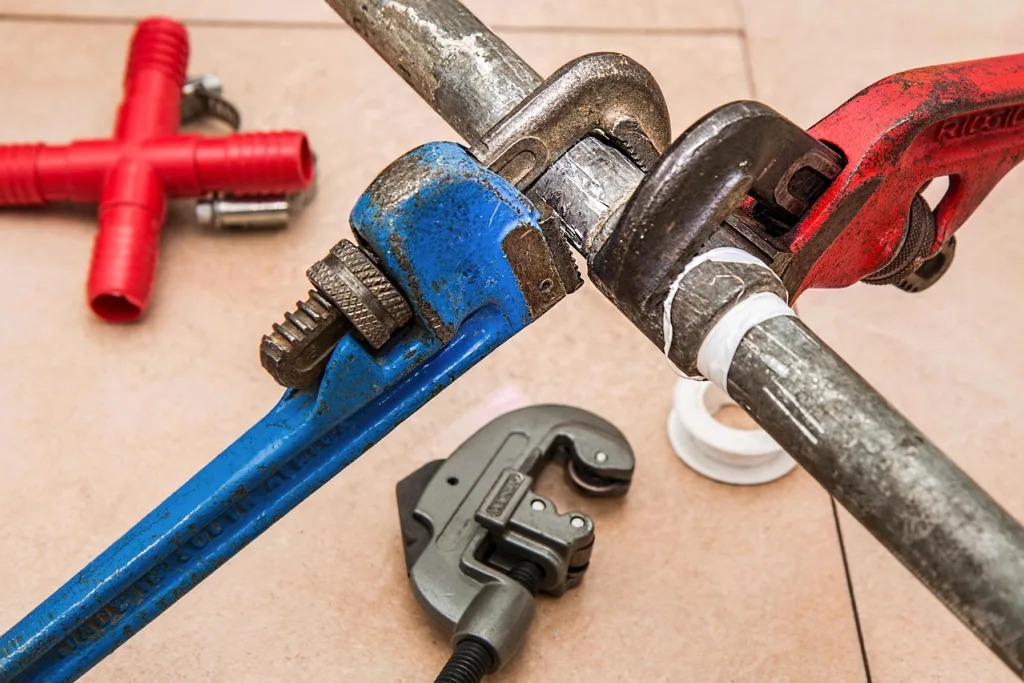
Keeping your home in good condition doesn't have to be complicated or expensive. With a bit of planning and some basic know-how, you can tackle many maintenance tasks yourself and save money while pro...
James writes about the New Zealand property market, renting, home ownership, and housing costs. He breaks down complex property topics into practical advice for renters and buyers.
Keeping your home in good condition doesn't have to be complicated or expensive. With a bit of planning and some basic know-how, you can tackle many maintenance tasks yourself and save money while protecting your investment. This guide will help you understand what you can manage on your own and when it's time to call in the professionals.
Why Home Maintenance Matters
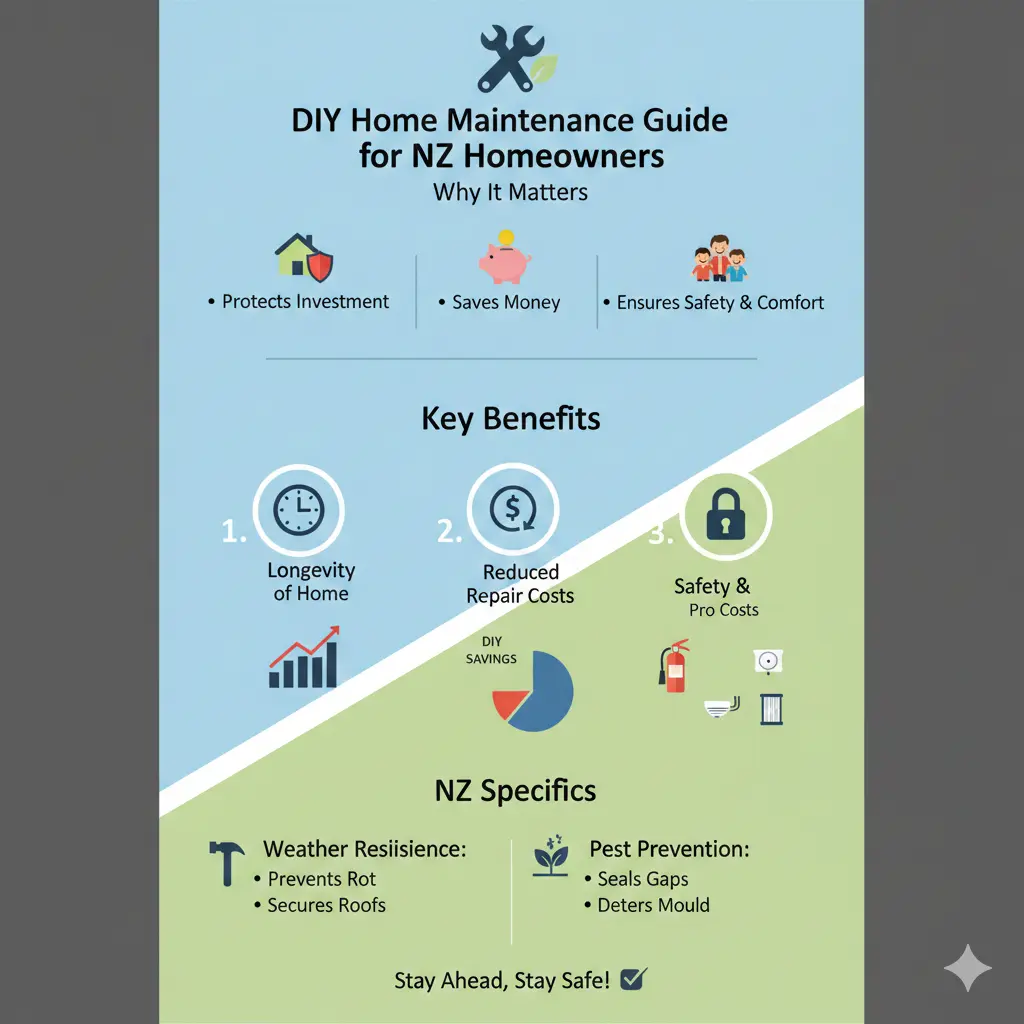
Regular home maintenance isn't just about keeping things looking nice—it's about protecting your biggest asset. Preventative maintenance saves you money by catching small problems before they become expensive repairs. A leaky tap left unattended can waste water and damage your home's structure. Gutters clogged with leaves can lead to roof damage and water seeping into your walls. By staying on top of these tasks, you're not only preserving your home's value but also ensuring it remains safe and comfortable for your whānau.
Creating Your Home Maintenance Schedule
The best way to stay organised is to break maintenance tasks into seasonal activities and regular checks throughout the year. This approach makes the work feel less overwhelming and ensures nothing gets forgotten.
Start by listing all the tasks your home needs, then categorise them by how often they should be done—monthly, quarterly, or annually. You can use a physical calendar, a spreadsheet, or even a digital app to track what needs doing and when. The key is to review and update your schedule regularly, as every home has different needs depending on its age, location, and condition.
Seasonal Maintenance Tasks for Kiwi Homes
Summer (December to February)
Summer is the perfect time to tackle outdoor work while the weather's on your side.
- Check for leaks: Inspect taps inside and outside your home, hoses, and water tank connections for drips and leaks
- Paint touch-ups: Use dry, warm days to refresh smaller paint jobs on window surrounds, ledges, fences, and deck railings
- Fill gaps: Repair cracks and dips in paths with instant concrete
- Septic tank maintenance: If you're on a septic tank system, have it serviced
- Stock firewood: Order firewood for winter while supplies are good
Autumn (March to May)
As the weather turns, focus on preparing your home for winter and the wetter months ahead.
- Clean gutters and downpipes: Remove leaves and debris that have built up, and flush downpipes to ensure proper drainage
- Trim foliage: Cut back branches and plants growing near your walls and roof to prevent damage
- Water-blast paths and decks: Clean and help keep them slip-proof before wet weather arrives
- Chimney sweep: If you have a fireplace or wood-burning stove, get your chimney professionally cleaned
- Seal gaps: Use self-adhesive foam tape around windows and door frames to keep out draughts and moisture
- Remove screens: Take off insect screens from doors and windows if they might be damaged by high winds
- Secure outdoor items: Stow away garden chairs and equipment that could blow around in storms
Winter (June to August)
Winter maintenance focuses on protecting your home from cold and moisture.
- Check for dampness and mould: Look for signs of moisture problems in bathrooms, laundries, and kitchens, and address issues promptly
- Inspect heating systems: Service your heating system before winter to ensure it's working properly
- Protect pipes: Wrap external water pipes in insulation to prevent them freezing and bursting on cold nights
- Check fireplace and stove: Inspect and clean your fireplace or wood-burning stove, and ensure you have enough firewood
- Review energy efficiency: Consider ways to improve your home's energy efficiency, such as installing energy-efficient lighting or improving insulation
Spring (September to November)
Spring is ideal for cleaning up and preparing for warmer months.
- Clear gutters: Remove leaves and dust that have built up, and flush downpipes
- Check for leaks: Look under sinks, behind toilets, and near water heaters for any signs of water damage
- Inspect exterior: Walk around your house and look at paint, decks, and fences for peeling paint or cracks that need attention
- Fertilise garden: Get your lawn and garden ready for growth, and repair any damaged outdoor lighting
- Test alarms: Press the test buttons on your smoke and gas detectors and replace batteries if needed
Year-Round Maintenance Tasks
Some tasks need attention throughout the year, regardless of the season.
- Clean appliance filters: Regularly clean filters on range hoods, air conditioners, heat pumps, clothes dryers, washing machines, and vacuum cleaners
- Check smoke and gas alarms: Test them every few months—they can save lives
- Inspect electrical outlets: Test outlets and switches to ensure they're functioning safely
- Check fire extinguishers: Monitor pressure gauges and update as necessary
- Watch for pests: Look for signs of pest infestations and take action if needed
- Clean window tracks: Vacuum and scrub drainage tracks in aluminium windows to remove moisture from condensation
- Maintain appliances: Regularly clean and maintain ovens, washing machines, and dryers
- Review insurance: Check your home and contents insurance policies and update them as required
DIY vs. Calling a Professional
Knowing when to tackle a job yourself and when to call in the experts is important for both safety and cost-effectiveness.
Jobs You Can Usually DIY
With some basic tools and confidence, you can handle many maintenance tasks yourself. Stock up on essential equipment like a set of screwdrivers, a lightweight set of kitchen steps, and a hammer with nails in various sizes. These tools will help you tighten screws on sagging cupboard doors, change lightbulbs, and secure loose decking or fence palings.
Simple tasks you can manage include:
- Replacing blown lightbulbs
- Cleaning gutters and downpipes
- Applying silicone around kitchen and bathroom edges
- Tightening screws and hinges
- Touching up small paint jobs
- Fixing dripping taps
- Cleaning appliance filters
- Testing smoke alarms and replacing batteries
When to Call a Professional
Some jobs require qualified tradespeople for safety and legal reasons. Always hire a professional for:
- Electrical work beyond changing bulbs or testing outlets
- Gas appliance repairs or installation
- Roof repairs or replacement
- Plumbing work requiring pipe repairs or replacement
- Chimney sweeping
- Major structural repairs
- Heating system servicing
Finding a reliable tradesperson doesn't always mean hiring a fully qualified tradies for small jobs. Ask friends, family, and neighbours for recommendations of local handypeople. If you have several small maintenance issues, save them up and have them attended to in one visit—this saves time and travel costs.
Building Your DIY Confidence
You don't need to be an expert to handle basic home maintenance. Increase your confidence by learning new skills. Many larger hardware stores offer DIY workshops where you can learn practical techniques. YouTube is also an excellent resource, with videos covering everything from cleaning sink traps to unblocking washing machine pumps.
Start with small, low-risk tasks to build your confidence. As you become more comfortable, you can tackle slightly more complex jobs. Remember, there's no shame in calling a professional if something feels beyond your abilities—it's better to get it done right than to risk damaging your home.
Budget-Friendly Maintenance Tips
Home maintenance doesn't have to break the bank. Here's how to manage costs:
- Do quick wins yourself: Replace blown bulbs, refresh doormats, do a deep clean, and tidy gutters by the entry
- Book professionals strategically: When you do hire help, bundle multiple tasks together to reduce call-out costs
- Prevent expensive repairs: Spending a little now on preventative maintenance saves thousands later. A $50 gutter clean prevents a $5,000 roof repair
- Use budget-friendly materials: A small tube of silicone costs just a few dollars but prevents water damage
- Learn basic skills: Knowing how to tighten a hinge or apply silicone means you're not paying a tradesperson for 30 minutes of work
Safety First: Important Reminders
When tackling DIY maintenance, safety should always come first.
- Use proper equipment: Invest in a sturdy set of kitchen steps rather than balancing on chairs
- Know your limits: If a job involves heights, electricity, gas, or structural work, call a professional
- Test safety devices: Regularly test your smoke and gas alarms—they're your first line of defence in an emergency
- Protect your pipes: In winter, wrap external water pipes to prevent them bursting, which can cause significant damage
- Stay current on insurance: Keep your home and contents insurance up to date to ensure you're covered if something goes wrong
Your Next Steps
Start small and build momentum. Pick one seasonal task from this guide and complete it this week. Then create your own maintenance schedule using a calendar or digital tool. As you work through tasks, you'll gain confidence and save money on your home maintenance costs.
Remember, the goal isn't perfection—it's consistency. Regular, preventative maintenance keeps your home safe, comfortable, and valuable for years to come. Your future self (and your bank account) will thank you.
Frequently Asked Questions
Sources & References
-
1
Essential Home Maintenance Tasks for New Zealand Homeowners — biosymph.co.nz
-
2
Tricks to Managing Home Maintenance — grownups.co.nz
-
3
Open Home Preparation in New Zealand: Complete NZ Specific Checklist — pricemyproperty.co.nz
-
4
Seasonal Home Maintenance Checklist for New Zealand Properties — www.oncoreservice.co.nz
-
5
Your Seasonal Home Maintenance Checklists — masterplumbers.org.nz
Related Articles

Reducing Your NZ Internet Bill: Fiber vs. 5G Wireless Home Broadband
Struggling with a hefty internet bill each month? You're not alone—many Kiwis are feeling the pinch from rising broadband costs in 2026. But here's the good news: switching between **fibre** and **5G...

DIY Home Maintenance: 5 Repairs Every Kiwi Homeowner Should Know
Owning a home in New Zealand comes with its fair share of rewards, but it also means staying on top of maintenance to keep your place safe, warm, and weathertight. With our unpredictable weather—from...
Home Security Systems: Protecting Your NZ Property on a Budget
Imagine coming home to find your door ajar or hearing a strange noise in the night—it's a Kiwi homeowner's worst nightmare. With burglary rates holding steady across New Zealand, protecting your prope...
Electricity Bill Killers: How to Cut Your NZ Power Bill by 30%
Your electricity bill doesn't have to be a budget killer. With smart planning and a few strategic changes, many Kiwi households can cut their power costs by 30% or more—without sacrificing comfort or...