Income Protection Insurance: A Complete Guide

Imagine waking up one day unable to work due to a sudden illness or injury, watching your savings dwindle while bills pile up. For many Kiwis, income protection insurance NZ is the safety net that kee...
The Lifetimes NZ editorial team curates, fact-checks, and updates guides on personal finance, property, health, immigration, legal, business, and lifestyle topics relevant to Lifetimes NZ readers. Articles are produced with AI assistance and reviewed by the editorial team before publication.
Imagine waking up one day unable to work due to a sudden illness or injury, watching your savings dwindle while bills pile up. For many Kiwis, income protection insurance NZ is the safety net that keeps your lifestyle afloat, replacing a portion of your income when you can't earn it yourself.
This guide breaks down everything you need to know about income protection insurance in New Zealand, from how it works to choosing the right policy for your needs in 2026. Whether you're a salaried worker, self-employed, or a business owner, understanding this cover can protect your financial future.
What is Income Protection Insurance?
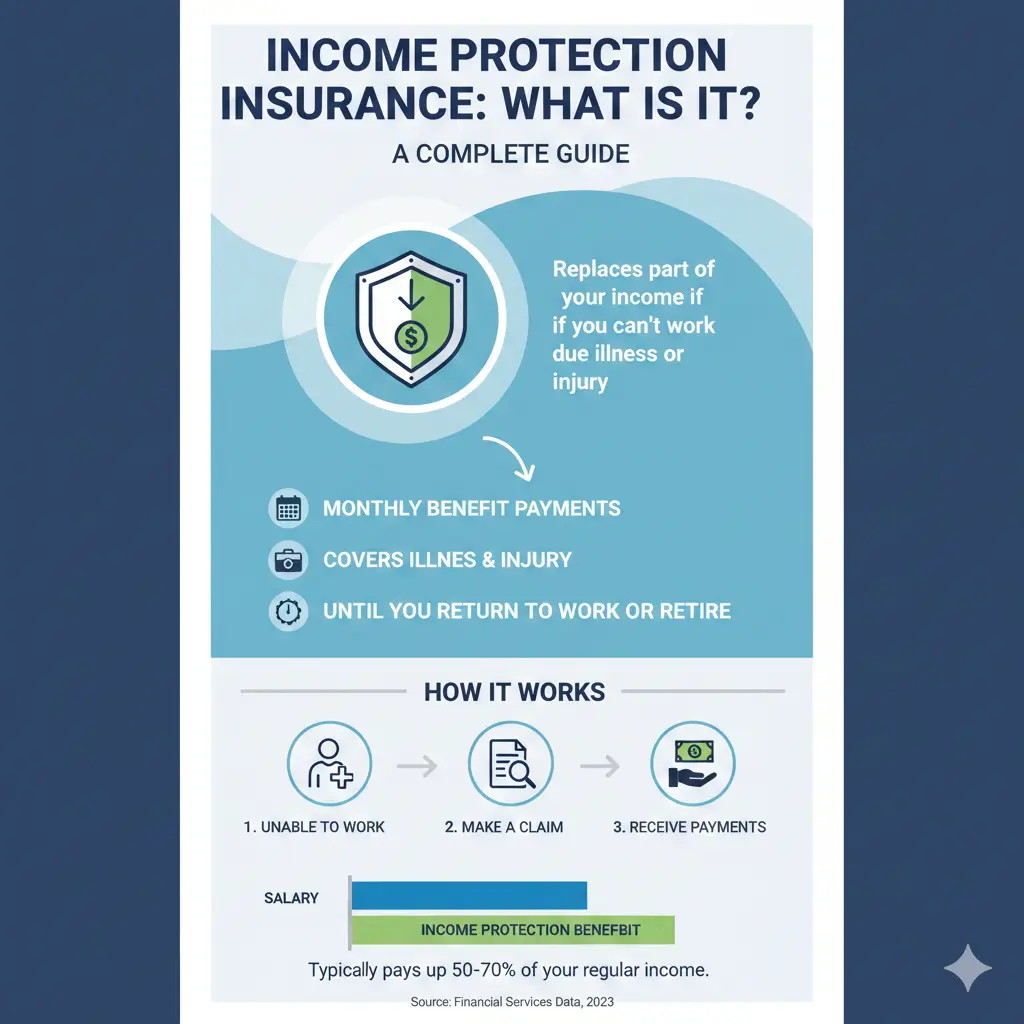
Income protection insurance NZ provides monthly payments if you're unable to work due to illness or injury, helping cover essentials like your mortgage, rent, groceries, and school fees. Unlike ACC, which covers accidents but not sickness, this insurance fills the gap for non-work-related illnesses and mental health issues.
It typically replaces 55-75% of your pre-disability income, with payments taxed as income by the IRD. For example, if you earn $80,000 annually, you might receive up to $4,000-$5,000 monthly, depending on your policy.
How Does Income Protection Differ from Other Covers?
- Life insurance: Pays a lump sum to beneficiaries on death.
- Trauma insurance: Lump sum for specific medical diagnoses.
- Total Permanent Disability (TPD): Lump sum if you're permanently unable to work.
- Income protection: Ongoing monthly income replacement until recovery, a set period, or retirement age.
Why Do Kiwis Need Income Protection Insurance in 2026?
With living costs rising and one in four working-age New Zealanders facing a serious illness before retirement, income protection is crucial. It covers physical injuries, chronic conditions, and mental health issues that prevent work—situations ACC often doesn't.
For self-employed Kiwis, who miss out on sick pay, it's even more vital. Policies apply worldwide, so you're covered on holiday or working overseas. Plus, premiums are tax-deductible if the policy meets IRD criteria, lowering your effective cost.
Real-Life NZ Example
Take Sarah, a 35-year-old Auckland teacher who developed chronic fatigue syndrome. Her income protection kicked in after 13 weeks, paying 60% of her salary for five years while she recovered—keeping her family home secure.
How Does Income Protection Insurance Work?
Key Components of a Policy
When you apply, you'll customise your policy:
- Benefit amount: Up to 62.5% of income if earning $70,000 or less; 60% for $70,001-$100,000; 55% over $100,001 (max $20,000-$30,000/month).
- Waiting period: 4, 8, 13, 26, 52, or 104 weeks. Match it to your sick leave and savings—longer waits mean lower premiums.
- Benefit period: 1-5 years, to age 65, or 70 for some occupations. Longer periods cost more but offer extended protection.
Cover Types: Agreed Value vs Indemnity
Making a Claim
- Notify your insurer with medical proof you're unable to work.
- Submit income evidence (payslips, bank statements).
- Wait out the waiting period.
- Receive monthly payments; insurer monitors recovery.
Claims are assessed against policy terms; partial disability benefits may apply if returning to work.
Optional Benefits to Boost Your Cover
- Partial disability: Payments if working reduced hours.
- Redundancy cover: Payments if laid off.
- Income booster/KiwiSaver contributions: Extra financial support.
- Maternity premium waiver: No premiums during maternity leave.
- Bed confinement: Extra for hospital stays.
Costs and Tax Benefits in NZ
Premiums vary by age, occupation, health, and cover level. A 40-year-old office worker might pay $50-$150/month for $4,000 monthly cover. Longer waiting periods and shorter benefit periods reduce costs.
Good news: Premiums are tax-deductible for self-employed or business owners meeting IRD rules—claim them on your tax return to lower your bill.
How to Choose the Best Income Protection Insurance NZ
Practical Tips for Kiwis
- Assess needs: Tally bills, debts, and family support.
- Compare quotes: Use advisers for multiple insurers like AIA, nib, Chubb.
- Check exclusions: Mental health, pre-existing conditions.
- Review annually: Update for income changes.
- Seek advice: Free from licenced advisers via Policywise or MoneyHub.
Age limits: Typically 16-55 (60 for managers).
Next Steps to Protect Your Income
Don't leave your finances to chance—get quotes today from trusted NZ advisers. Review your current cover, calculate your needs using online tools, and speak to a financial adviser for personalised advice. With the right income protection insurance NZ, you'll sleep easier knowing your lifestyle is secure.
Frequently Asked Questions
Sources & References
-
1
AIA Income Protection Insurance — www.aia.co.nz
-
2
Understanding Income Protection Insurance NZ — thetagteam.co.nz
-
3
Is it Worth Getting Income Protection Insurance? — www.chubb.com
-
4
nib Income Protection Insurance Review — www.policywise.co.nz
-
5
How Much of Your Income Can You Cover with Insurance? — www.lifedirect.co.nz
-
6
Understanding Your Income Protection Insurance — moneybox.co.nz
-
7
Compare Income Protection Insurance 2025 — www.moneyhub.co.nz
- 8
-
9
How to Protect Your Income in 2026: ACC vs Income Protection — lighthousefinancial.co.nz
-
10
Best Life Insurance Companies in NZ (2026 Guide) — www.nzinsurances.co.nz