Auckland Cost of Living 2026: How Much You Really Need to Survive
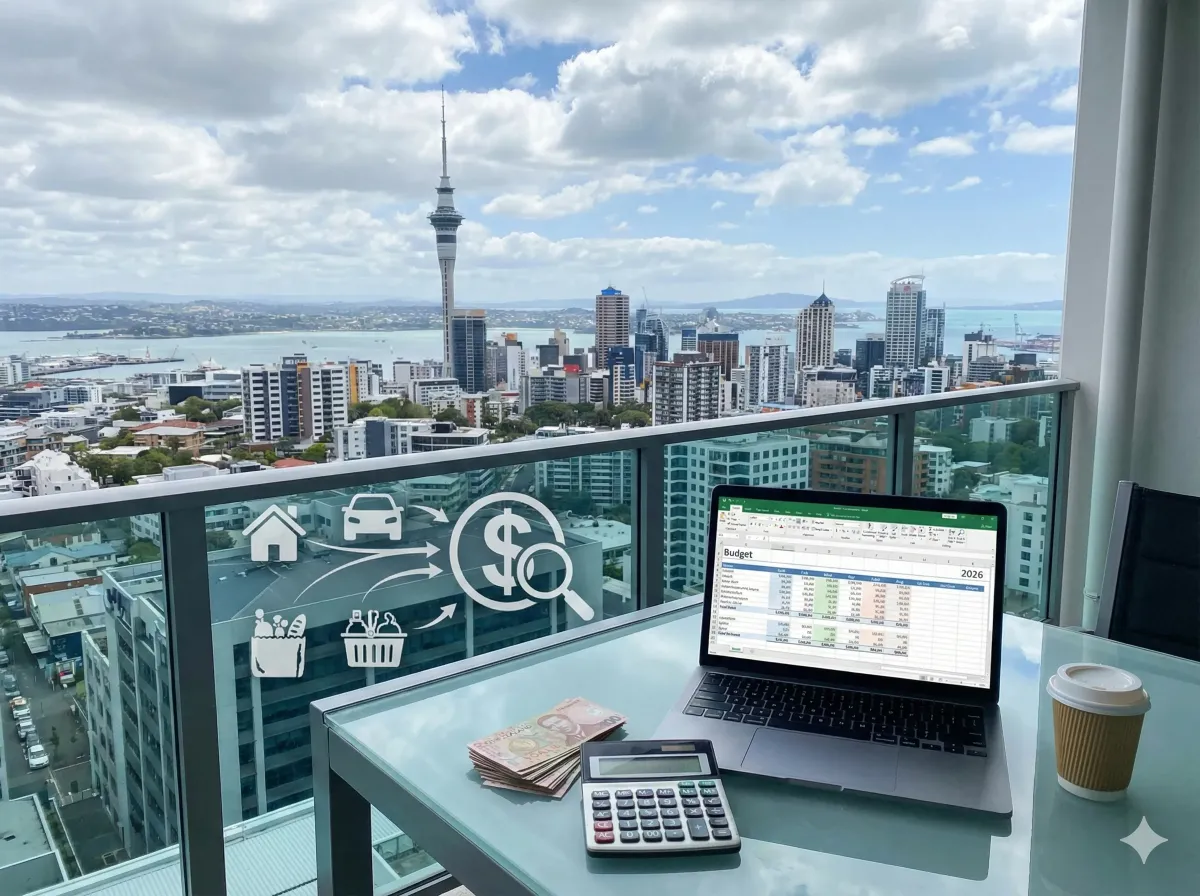
Auckland's cost of living in 2026 remains one of New Zealand's steepest challenges, especially with housing pressures and everyday expenses squeezing Kiwi budgets. If you're wondering how much you rea...
The Lifetimes NZ editorial team curates, fact-checks, and updates guides on personal finance, property, health, immigration, legal, business, and lifestyle topics relevant to Lifetimes NZ readers. Articles are produced with AI assistance and reviewed by the editorial team before publication.
Auckland's cost of living in 2026 remains one of New Zealand's steepest challenges, especially with housing pressures and everyday expenses squeezing Kiwi budgets. If you're wondering how much you really need to survive in Auckland, expect at least NZ$4,000–5,500 monthly for a single person or NZ$8,000–10,000 for a family of four, depending on your lifestyle and location.
Whether you're a local eyeing a move within the city, a Kiwi returning from overseas, or planning your first flat in the Super City, understanding these costs helps you budget smarter. We've crunched the latest 2026 data, including rent, groceries, transport, and utilities, with practical tips tailored for Aucklanders. Let's break it down so you can plan ahead.
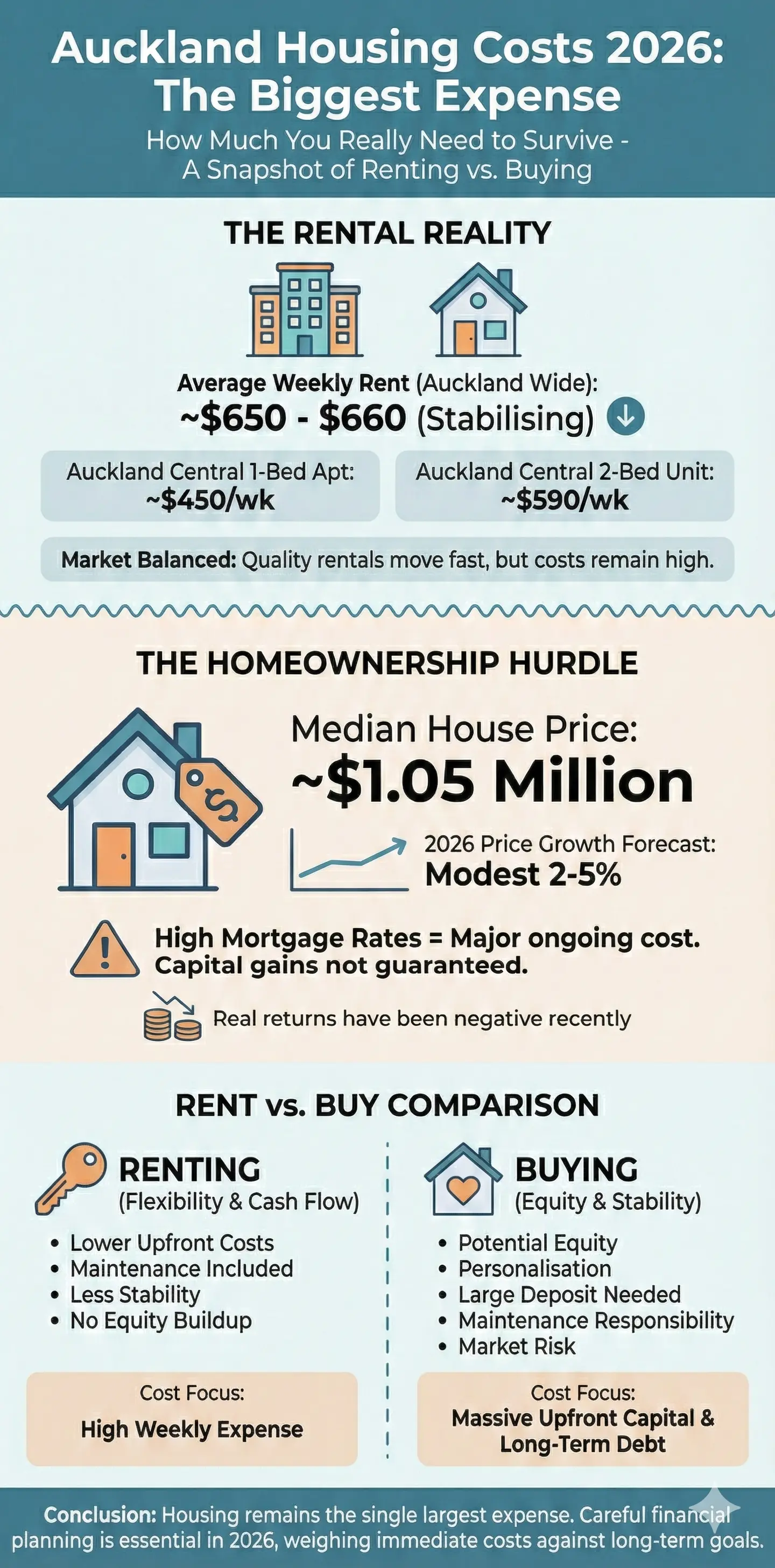
Auckland Housing Costs: The Biggest Expense
Housing eats up the largest chunk of your budget in Auckland—often 30–50% for renters. With median house prices hovering around NZ$1 million, buying is tough without a solid deposit, but renting offers flexibility for many Kiwis.
Rent Prices Across Auckland Suburbs
In 2026, expect these weekly rents for typical properties:
- 1-bedroom apartment in the city centre: NZ$650–850
- 1-bedroom outside city centre: NZ$500–700
- 3-bedroom house in popular suburbs like Ponsonby or Mt Eden: NZ$800–1,200
- 3-bedroom in outer areas like Henderson or Papakura: NZ$650–900
Trade Me Property data shows rents stabilising after 2025 hikes, but demand from migrants keeps central spots pricey. Families save by heading to Manukau or Albany, where 3-beds dip under NZ$750 weekly.
Buying vs Renting: KiwiSaver and Mortgage Insights
If buying, Auckland's median sale price sits at just over NZ$1 million, compared to NZ$800,000 nationwide. Use KiwiSaver withdrawals for your deposit—first-home buyers can access up to NZ$50,000+ per person via Kiwisaver.govt.nz. Mortgage rates in 2026 average 5.5–6.5%, so calculate repayments carefully with IRD's loan tools.
Tip: Check Tenancy Services (tenancy.govt.nz) for rental rights—bonds are capped at 4 weeks' rent, and healthy homes standards mean landlords must provide insulation and heating.
Groceries and Food Costs: Shop Smart Like a Local
A single person's monthly groceries run NZ$500–800, while a family of four needs NZ$1,500–2,200. Auckland's supermarkets like Countdown and New World charge premium for imports, but local produce keeps basics affordable.
Weekly Grocery Breakdown for One Person
| Item | Average Cost (NZ$) |
|---|---|
| Milk (3L) | 5.50–7.00 |
| Loaf of bread | 3.00–4.50 |
| Chicken breast (1kg) | 14.00–18.00 |
| Rice (1kg) | 3.50–5.00 |
| Apples (1kg) | 4.00–6.00 |
| Dining out (basic meal) | 25–35 |
Families can trim 20% by shopping at Pak'nSave or local markets like La Cigale Farmers' Market. WINZ's Healthy Food Hub offers budgeting tools, and Foodstuffs apps track specials.
Actionable advice: Bulk-buy non-perishables at Costco (membership NZ$65/year) or join food co-ops in Grey Lynn for fresh veggies under retail prices.
Utilities, Internet, and Council Rates
Monthly utilities for a small flat total NZ$250–400, including power, water, and broadband. Auckland Council's rates add NZ$2,500–4,000 yearly for an average home.
- Electricity (85m² apartment): NZ$150–250/month
- Internet (60Mbps+): NZ$80–110
- Water rates: NZ$50–80 (quarterly)
- Mobile plan (unlimited data): NZ$50–70
Switch to Genesis or Contact for fixed-rate power deals, and use the ETL calculator at energyonline.org.nz to compare. Low-income households qualify for power subsidies via Work and Income.
Transport: AT HOP Cards and Fuel Prices
Auckland Transport (AT) fares make public options viable—NZ$200–300 monthly for a commuter. Driving costs more with fuel at NZ$2.80–3.20/L.
Monthly Transport Costs
- AT HOP card (weekly pass): NZ$50–80
- Fuel for 50km daily drive: NZ$250–350
- Petrol for ferries/taxis: NZ$100+ for occasional trips
Park near stations like Britomart for hybrid work commutes. E-scooters via Lime save on short hops, and the Northern Express bus is a bargain at NZ$10/day unlimited.
Healthcare, Education, and Other Essentials
ACC covers work injuries free, but GP visits cost NZ$50–80 without subsidies. Kids' schooling is free at state schools, but uniforms and activities add NZ$500–1,000/year per child.
Entertainment? Netflix NZ$22/month, gym membership NZ$60–100. Clothing from The Warehouse keeps it under NZ$200 quarterly.
Total Monthly Budget: Survival vs Comfortable Living
Here's a realistic 2026 breakdown:
| Category | Single (NZ$) | Family of 4 (NZ$) |
|---|---|---|
| Rent/Housing | 2,000–2,800 | 3,500–5,000 |
| Groceries | 500–800 | 1,500–2,200 |
| Utilities | 250–400 | 400–600 |
| Transport | 200–400 | 400–800 |
| Other (health, misc) | 300–500 | 800–1,400 |
| Total | 3,250–5,000 | 6,600–10,000 |
National household costs rose 3% in late 2024, with similar trends into 2026—rent and food driving it. Aim for 25–30% income on housing to stay comfortable.
Practical Tips to Cut Costs in Auckland
- Join buying clubs like Kaibosh for free food rescue.
- Use the Auckland Council rates rebate if eligible (aucklandcouncil.govt.nz).
- Track spending with PocketSmith or IRD's myIR app.
- Side hustle via Trade Me or Uber—many earn NZ$500+ extra monthly.
- Apply for WINZ accommodation supplement: up to NZ$145/week for renters.
FAQ
How much do I need monthly to survive solo in Auckland?
A bare-bones budget is NZ$3,500–4,500, covering shared rent, basic food, and PT. Comfortable living hits NZ$5,000+.
Is Auckland cheaper than Sydney in 2026?
Yes—rents and groceries are 20–30% lower, though salaries match. Housing nationwide is 30% cheaper here.
Can I live on minimum wage in Auckland?
Tough—NZ$23.50/hour (2026 rate) nets ~NZ$3,800/month pre-tax. Shared housing and no car are essential.
What's the best suburb for affordable family living?
Papatoetoe or Otara: rents NZ$650/week for 3-beds, good schools, and motorways.
How do I budget for council rates?
Pay quarterly or switch to instalments via Auckland Council—rebates for low-income up to NZ$600/year.
Are utilities rising in 2026?
Expect 5–7% hikes; lock in fixed plans to save NZ$200/year.
Next Steps for Your Auckland Budget
Plug your numbers into Stats NZ's household expenditure calculator or download the MoneyHub app for personalised tracking. Chat with a free budget advisor at MoneyTalks (0800 345 123) or check ird.govt.nz for tax credits. With smart choices, Auckland's vibrant lifestyle is within reach—start budgeting today and thrive in Aotearoa's biggest city.
Related Articles

Auckland vs. Christchurch: Where is the Best Property Value Right Now?
Choosing between Auckland and Christchurch for your next property move? In 2026, Christchurch edges ahead for the best value, offering stronger price growth, affordability, and family-friendly suburbs...

Most Affordable Places to Live in NZ 2025
If you're looking to stretch your dollar further in Aotearoa, choosing where you live can make a massive difference to your weekly budget. The cost of living varies significantly across New Zealand, w...

Moving to NZ Budget Guide: How Much Do You Need?
Planning your move within New Zealand or from overseas? Knowing your budget upfront can make the transition smoother, whether you're eyeing Auckland's buzz or Dunedin's laid-back vibe. This guide brea...