New Build vs Existing Home: Which Should You Buy?
Buying a home is one of the biggest financial decisions you'll make in your life, and in today's New Zealand property market, you're facing a crucial choice: should you invest in a new build or an exi...
James writes about the New Zealand property market, renting, home ownership, and housing costs. He breaks down complex property topics into practical advice for renters and buyers.
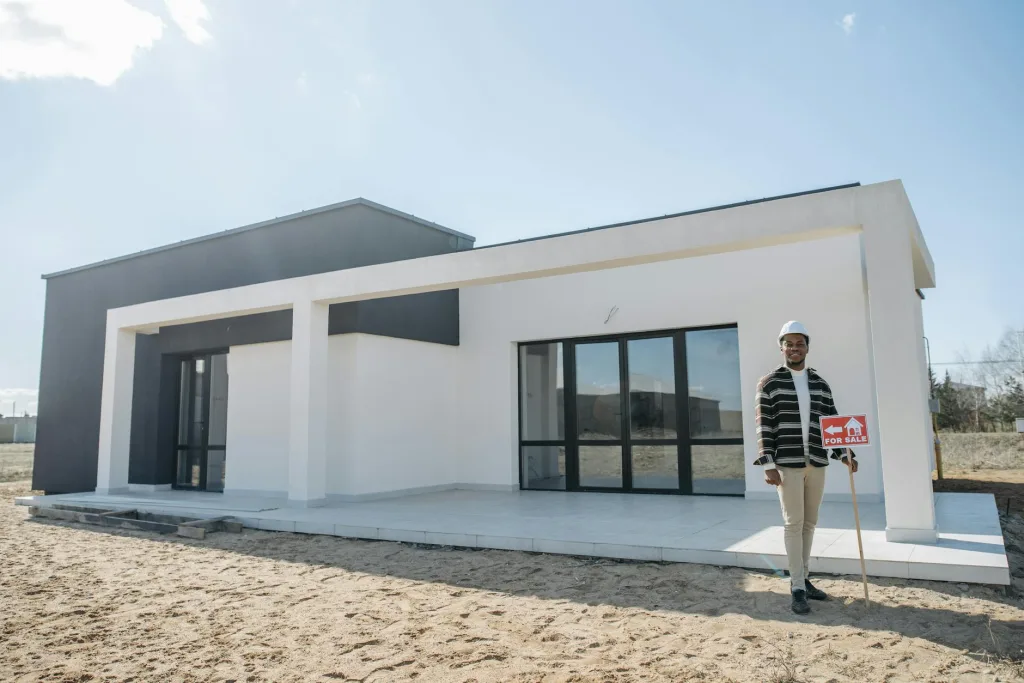
Buying a home is one of the biggest financial decisions you'll make in your life, and in today's New Zealand property market, you're facing a crucial choice: should you invest in a new build or an existing home? Both options come with distinct advantages and trade-offs that can significantly impact your finances, lifestyle, and long-term investment returns. Let's break down what you need to know to make the right decision for your situation.
The Cost Comparison: What You'll Actually Pay
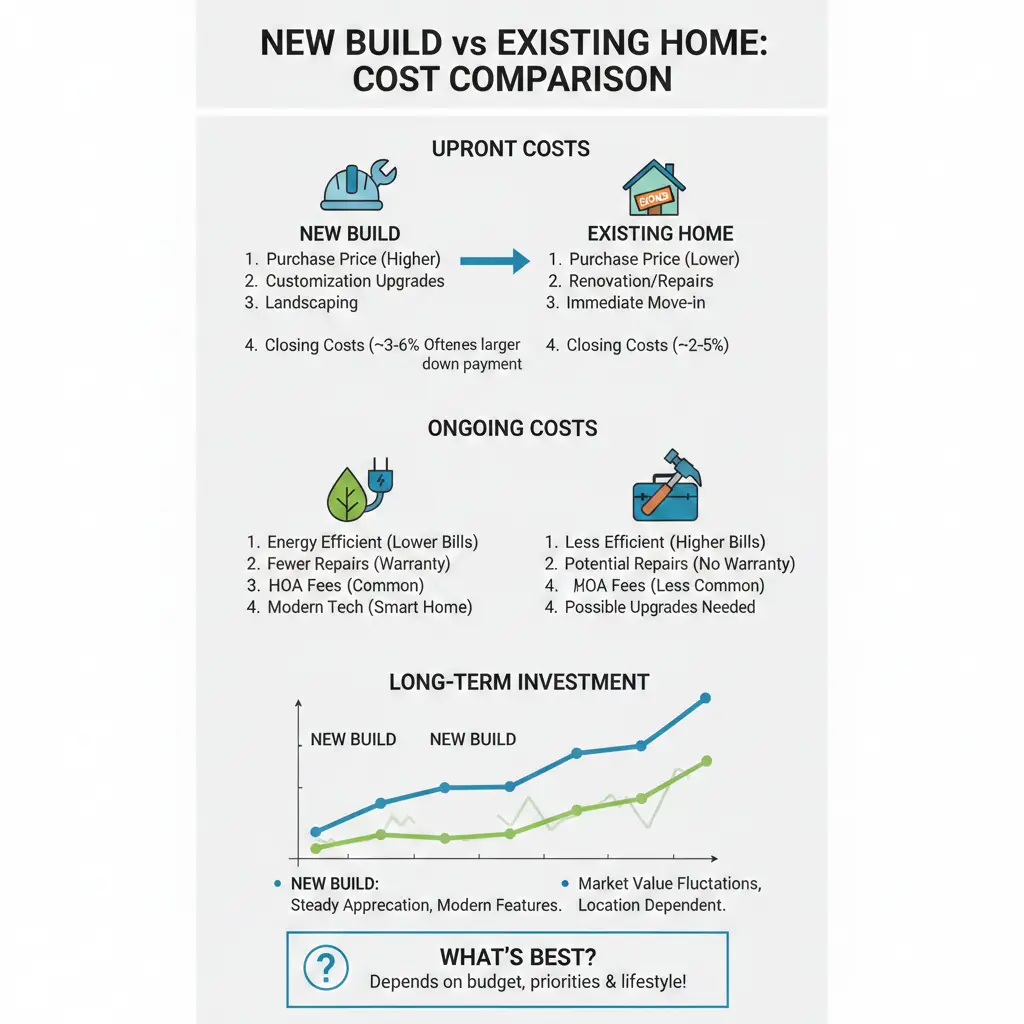
When comparing new builds and existing homes, the upfront costs tell different stories. As a broad guide for New Zealand in 2026, building new costs approximately $3,000–$4,500+ per m², depending on specifications, location, and site conditions. Existing homes, by contrast, often appear cheaper on paper at around $2,000–$3,500 per m² when averaged across older housing stock.
However, there's an important catch: new builds typically command a price premium of 10–20% compared to older properties. This means that while the per-square-metre rate looks higher, you're paying for newer construction, modern materials, and energy-efficient systems that existing homes may lack.
The real question isn't just about the initial purchase price—it's about what you get for your money and how those costs play out over time.
Maintenance: Hidden Costs and Peace of Mind
New Build Homes
One of the most significant advantages of a new build is the minimal maintenance required in the early years. Everything from the roof to the plumbing is brand new, which means fewer repairs and lower costs upfront. New builds often come with modern energy-efficient systems, reducing utility bills and overall maintenance expenses.
Most new builds also come with a 10-year Master Build or similar guarantee, covering structural defects and major systems. This gives you substantial peace of mind and financial protection against unexpected repair bills—something you won't get with older properties.
Existing Homes
Older homes may offer charm and character, but they often require more upkeep. From outdated wiring to potential roofing issues, maintenance costs can quickly add up. Warranties on older homes are typically non-existent, meaning any repairs or defects are your responsibility as the homeowner.
That said, some existing homes may have already undergone major renovations, which can reduce immediate expenses. It's worth getting a professional building inspection to understand what you're getting into.
Financing and Borrowing Power
Here's where the New Zealand government's policies start to make a real difference. If you're investing in a property, new builds require only a 20% deposit compared to 30% for existing homes. This means you'll need $80,000 less on a $400,000 property—a substantial advantage if you're building your investment portfolio.
New builds also offer additional financial flexibility: they're exempt from investor Loan-to-Value Ratio (LVR) and debt-to-income (DTI) caps, giving you more borrowing capacity. Banks also tend to view new builds favourably due to their modern construction and energy efficiency, which can result in better mortgage rates and easier financing.
These government incentives are designed specifically to encourage new housing construction and address New Zealand's housing supply challenges.
Tax Implications and the Bright-Line Test
If you're considering this as an investment property, tax treatment matters significantly. New builds enjoy full interest deductibility, making them tax-efficient investment choices. Additionally, the bright-line test for new builds is 5 years, compared to 10 years for existing homes. This means you'll face a shorter taxation period on capital gains when selling a new build, providing more flexibility and potential for resale without a hefty tax burden.
For investors, this is a meaningful advantage. However, tax situations are individual, so it's worth discussing your specific circumstances with a tax adviser or accountant.
Tenant Appeal and Rental Yields
If you're investing for rental income, new builds typically yield lower gross percentages of around 3–4% due to the initial premium costs. However, their appeal to tenants often offsets this: modern, energy-efficient designs and compliance with current standards attract higher occupancy rates and rental stability.
New homes also usually have more street appeal thanks to modern landscaping, fencing, and a fresh look—something existing homes often lack unless they've been freshly renovated. For property investors, this translates to less vacancy and more reliable income streams.
Additionally, new builds are generally more energy-efficient, featuring better insulation, modern heating systems, and energy-efficient appliances, which makes the property more attractive to environmentally conscious tenants.
Land Size and Location Considerations
New developments, especially in urban areas, often feature smaller plots with less outdoor space, though they're designed to maximise indoor living areas. In suburban or rural areas, new builds may offer larger lots, though they're generally smaller than those of older properties.
Older homes tend to come with larger plots of land, particularly in established neighbourhoods. This can be a significant advantage if you're looking for a spacious yard or have plans for outdoor renovations.
Location is crucial for both options. New builds may offer modern amenities in developing areas, while existing homes may be in established neighbourhoods with proven value growth. Each choice should align with your investment strategy and lifestyle goals.
Healthy Homes Standards and Energy Compliance
New Zealand's Healthy Homes Standards are an important consideration. While new builds aren't automatically compliant just because they're new (they're built to the Building Code, a separate standard), they will meet the Healthy Homes insulation standard, meaning no costly retrofits. It's still worth getting a Healthy Homes assessment to ensure the property meets ventilation and heating requirements.
Existing homes may require costly upgrades to meet these standards, which is an additional expense to factor into your decision.
Property Appreciation and Long-Term Value
Generally, new builds may appreciate in value at a steadier pace compared to some existing homes, which might experience stronger short-term gains. However, appreciation rates largely depend on location, market trends, and broader economic conditions. There's no guaranteed outcome, but new builds tend to offer more predictable growth trajectories.
Key Advantages at a Glance
New Build Homes
- Lower deposits (20% vs 30%) for investors
- Minimal maintenance in early years
- 10-year structural guarantee
- Modern energy-efficient systems reduce utility costs
- Better tenant appeal and lower vacancy rates
- Full interest deductibility for investors
- 5-year bright-line test (vs 10 years)
- Better bank valuations and financing options
- Easier Healthy Homes compliance
Existing Homes
- Lower upfront purchase price per m²
- Larger land plots in established areas
- Established neighbourhoods with proven value growth
- Character and charm
- Potentially higher rental yields
- May have recent renovations already completed
Making Your Decision
The choice between a new build and an existing home depends on your priorities, financial situation, and long-term goals. If you're an investor seeking tax efficiency, lower deposits, and predictable returns with minimal maintenance, a new build makes strong financial sense. If you're a first-home buyer prioritising lower upfront costs and prefer an established neighbourhood with character, an existing home might suit you better.
Here's what to do next: Get pre-approved for a mortgage to understand your borrowing capacity, research neighbourhoods that align with your goals, and consider getting professional advice from a property adviser or financial adviser. Whether you choose new or existing, make sure the decision aligns with your personal circumstances and long-term vision.
Frequently Asked Questions
Sources & References
-
1
Is It Cheaper to Build New or Buy an Existing Home in NZ? — Bay Builds — www.baybuilds.co.nz
-
2
New Builds vs Existing Homes: NZ Investor Guide — NZ Property Invest — nzpropertyinvest.co.nz
-
3
New builds vs Existing Homes — InvestorPro — investorpro.co.nz
-
4
New build vs existing home: Why new wins — Generation Homes — www.generation.co.nz
- 5
Related Articles
First Home Grant NZ: How to Get Up to $10000
Buying your first home is one of the biggest financial decisions you'll make, and the New Zealand government wants to help. The First Home Grant puts up to $10,000 directly towards your deposit, makin...

Why 2026 is the Hardest Year to Buy a Home (and How to Beat the Odds)
Imagine standing at the edge of the property ladder in 2026, eyeing your dream home while prices hover stubbornly high, listings pile up, and buyer confidence wavers. For Kiwis, this year feels toughe...

Buying Your First Home in 2026: A Step-by-Step NZ Checklist
Imagine standing in your own Kiwi bach or cosy family home, keys in hand, after years of renting. In 2026, with interest rates stabilising and first-home schemes still strong, buying your first home i...

Selling Your Home? 10 Low-Cost Renovations That Add $50k in Value
If you're planning to sell your home in New Zealand, you don't need to break the bank with a complete renovation to attract buyers and boost your sale price. The good news? Some of the most effective...